

How Do You Repair Scratches, Cracks, or Damage in Wall Panels?
Learn how to repair scratches, cracks, and damage in wall panels with practical tips on surface repairs, loose panels, moisture damage, and replacement.


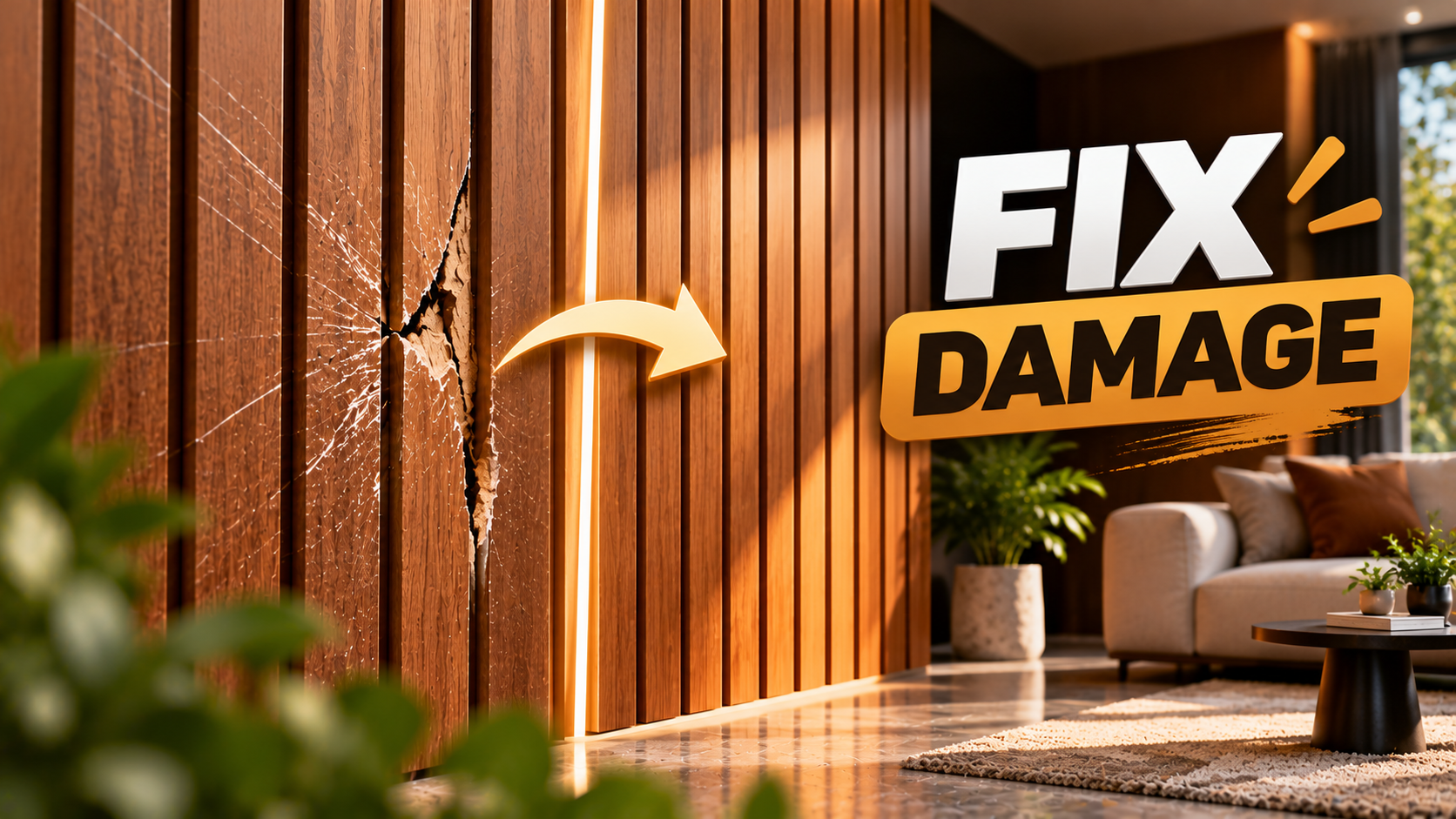
Scratches, cracks, and damaged wall panels can often be repaired without replacing the entire wall, provided the damage is minor and the panel remains structurally sound. The right repair method depends on the panel material, the depth of the damage, and whether the problem affects the surface, joints, or fixing system. Before attempting a repair, identify the panel type and check the manufacturer's recommendations for suitable fillers, adhesives, and cleaning products. Choosing and maintaining wall panels carefully can help preserve their appearance and extend their useful life.
Small surface scratches may need only a suitable repair product, while deep cracks, swelling, loose sections, or broken edges may require professional attention or panel replacement. Understanding the difference helps prevent minor damage from becoming a larger renovation problem.
What Types of Damage Can Affect Wall Panels?
Wall panels can develop different types of damage depending on their material, installation quality, and everyday use. Identifying the problem helps determine whether a simple repair is appropriate.
Common types include:
-
Surface scratches: Marks caused by furniture, sharp objects, or routine contact.
-
Small cracks: Fine fractures in the panel surface or decorative finish.
-
Chipped edges: Damage around corners, joints, or exposed panel edges.
-
Loose panels: Sections that have separated from their fixing system or wall.
-
Swelling or warping: Changes in panel shape that may result from moisture or unsuitable conditions.
-
Broken sections: Larger areas of damage that may compromise the panel's appearance or stability.
The first step is to determine whether the damage is cosmetic or affects the panel's stability. Surface marks may be repairable, but loose or distorted panels need a closer inspection.
How Do You Repair Scratches on Wall Panels?
Minor scratches are often the simplest type of wall panel damage to address. However, the repair method depends on whether the panel has a painted, laminated, wood-look, or plastic surface.
Clean the Damaged Area
Remove dust and loose dirt using a soft cloth and a cleaning method suitable for the panel material. Allow the surface to dry before assessing the scratch.
Avoid abrasive cleaners or rough scrubbing tools because they may worsen the damage.
Use a Compatible Repair Product
For wood-look surfaces, a suitable colour-matched repair marker or filler may help conceal minor scratches. Some laminated or plastic finishes require specialised repair products recommended by the manufacturer.
Test the product on an inconspicuous area first. An unsuitable product may change the colour, sheen, or texture of the surrounding surface.
Blend the Finish Carefully
Apply the repair product according to its instructions and remove excess material where recommended. The aim is to minimise the visible mark without damaging the surrounding finish.
Deep scratches that expose the underlying material may remain visible after a surface-level repair. In such cases, professional refinishing or panel replacement may provide a better result.
How Can You Fix Cracks in Wall Panels?
Cracks require more careful assessment than minor scratches because they may indicate surface damage, movement, impact, or moisture-related deterioration.
Inspect the Crack
Check whether the crack affects only the decorative surface or extends through the panel. Look for nearby gaps, loose fittings, swelling, or signs of moisture.
If the crack is spreading or repeatedly returning, investigate the underlying cause before attempting a cosmetic repair.
Choose a Suitable Filler
Some minor cracks can be repaired using a filler compatible with the panel material and finish. However, not all panels can be filled or sanded safely.
Follow the manufacturer's guidance and avoid using ordinary wall filler unless it is specifically suitable for the panel surface.
Restore the Surface Finish
Once the repair material has been applied and cured as directed, restore the appearance using a compatible finish where possible.
Colour matching can be difficult on patterned, textured, or laminated surfaces. If the repair remains conspicuous, replacing the damaged panel section may be more effective.
How Do You Repair Chipped or Broken Panel Edges?
Chipped edges are common around corners, exposed ends, and areas where furniture frequently makes contact. The appropriate repair depends on the size of the chip and whether the panel remains securely fixed.
For a small chip, a compatible filler or repair compound may restore the edge's shape. Colour-matched finishing products can help blend the repaired area with the surrounding surface.
For larger chips or broken sections, consider replacing the affected panel. Repairs that leave the edge weak or uneven may deteriorate further during everyday use.
Before repairing the edge, check whether the panel is loose or whether the fixing system has failed. Correct any underlying installation problem rather than treating the visible damage alone.
What Should You Do If Wall Panels Become Loose?
Loose panels should be addressed promptly because they may continue separating from the wall or become unstable.
First, identify why the panel has loosened. Possible causes include unsuitable adhesive, poor surface preparation, inadequate mechanical fixing, movement, or moisture damage.
The repair process may involve:
-
Checking the condition of the panel and the wall behind it.
-
Removing loose material where necessary.
-
Confirming that the wall is dry and stable.
-
Using a compatible adhesive or fixing system.
-
Replacing damaged clips, screws, or supporting components where appropriate.
-
Repositioning and securing the panel according to the manufacturer's instructions.
Do not simply apply more adhesive over a loose section without checking the underlying cause. If the panel is heavy, distorted, or difficult to remove safely, use a qualified installer.
Can Water-Damaged Wall Panels Be Repaired?
Water damage requires particular attention because it may affect both the panel and the wall behind it. Some materials can swell, warp, delaminate, or lose their original finish after prolonged moisture exposure.
If you notice swelling, bubbling, discolouration, or a persistent damp smell, investigate the source of the moisture first.
The appropriate response depends on the material and the extent of the damage. A surface mark on a moisture-resistant panel may be manageable, while a swollen or delaminated panel may need replacement.
Before reinstalling or replacing damaged panels:
-
Repair leaks or other sources of water intrusion.
-
Allow the wall and surrounding materials to dry properly.
-
Check for hidden deterioration or mould.
-
Confirm that the replacement panel is suitable for the room's moisture conditions.
Do not cover an active leak or damp wall with a new panel. Doing so can conceal continuing damage and make future repairs more difficult.
When Should You Replace Wall Panels Instead of Repairing Them?
Repair is not always the most practical solution. Replacement may be appropriate when the damage is extensive, the panel is structurally compromised, or the original finish cannot be restored satisfactorily.
Consider replacement if:
-
The panel is deeply cracked or broken.
-
The surface is severely swollen or delaminated.
-
Multiple repair attempts have failed.
-
The panel cannot be securely refixed.
-
Moisture has damaged the panel's core or backing.
-
The repair would remain highly visible on a prominent feature wall.
If the panel is part of a patterned or continuous installation, check whether a matching replacement is available. Differences in colour, texture, or batch finish may make a new panel noticeable beside older sections.
A professional can help assess whether the damaged panel can be repaired individually or whether a larger section needs replacement.
How Can You Prevent Scratches and Cracks in Wall Panels?
Preventive care can reduce damage and help maintain the appearance of your panels over time.
-
Clean gently: Use suitable cloths and cleaning products rather than abrasive tools.
-
Protect exposed corners: Take care when moving furniture and heavy objects near panelled walls.
-
Avoid excessive moisture: Follow the manufacturer's guidance for cleaning and room suitability.
-
Inspect joints regularly: Check for gaps, loose fittings, and early signs of deterioration.
-
Use suitable installation methods: Correct preparation and fixing can reduce avoidable problems.
-
Address damage early: Repair small defects before they become larger or affect adjoining sections.
Maintenance requirements vary by material. Follow product-specific instructions rather than applying the same repair method to every type of panel.
Conclusion
Repairing scratches, cracks, and other wall panel damage starts with identifying the material and understanding the extent of the problem. Minor surface marks may be manageable with compatible repair products, while loose panels, deep cracks, broken edges, and moisture damage may require professional repair or replacement.
Inspect the underlying wall, address the cause of the damage, and follow the manufacturer's instructions before beginning any repair. For help choosing suitable materials and planning your interior finishes, consult the Best Home Interior Company in Aizawl, Mizoram and prioritise repairs that restore both appearance and stability.
Frequently Asked Questions
1. Can scratches on wall panels be repaired?
Yes, minor scratches can sometimes be concealed using a compatible repair marker, filler, or surface repair product. The correct method depends on the panel material and finish.
2. Can cracked wall panels be fixed without replacing them?
Small cracks may be repairable if the panel remains stable and the damage is limited to the surface. Deep cracks, spreading fractures, or structural damage may require replacement.
3. What should I do if wall panels start coming loose?
Inspect the fixing system, wall condition, and possible moisture damage. Reattach the panel only with a compatible fixing method and address the underlying cause first.
4. Should water-damaged wall panels be repaired or replaced?
Minor damage may be manageable in some cases, but swollen, warped, or delaminated panels often need replacement. Resolve the moisture source before installing new material.
5. How can I prevent damage to wall panels?
Clean them with suitable products, protect exposed edges, avoid excessive moisture, inspect joints, and follow the manufacturer's installation and maintenance instructions.










Comments (0)