

How to Choose Natural Hairstyles for Work Without Damaging Your Hair
Choosing natural hairstyles for work without damaging your hair starts with understanding your texture, recognizing the importance of low-tension styling, and selecting options that fit your everyday routine.

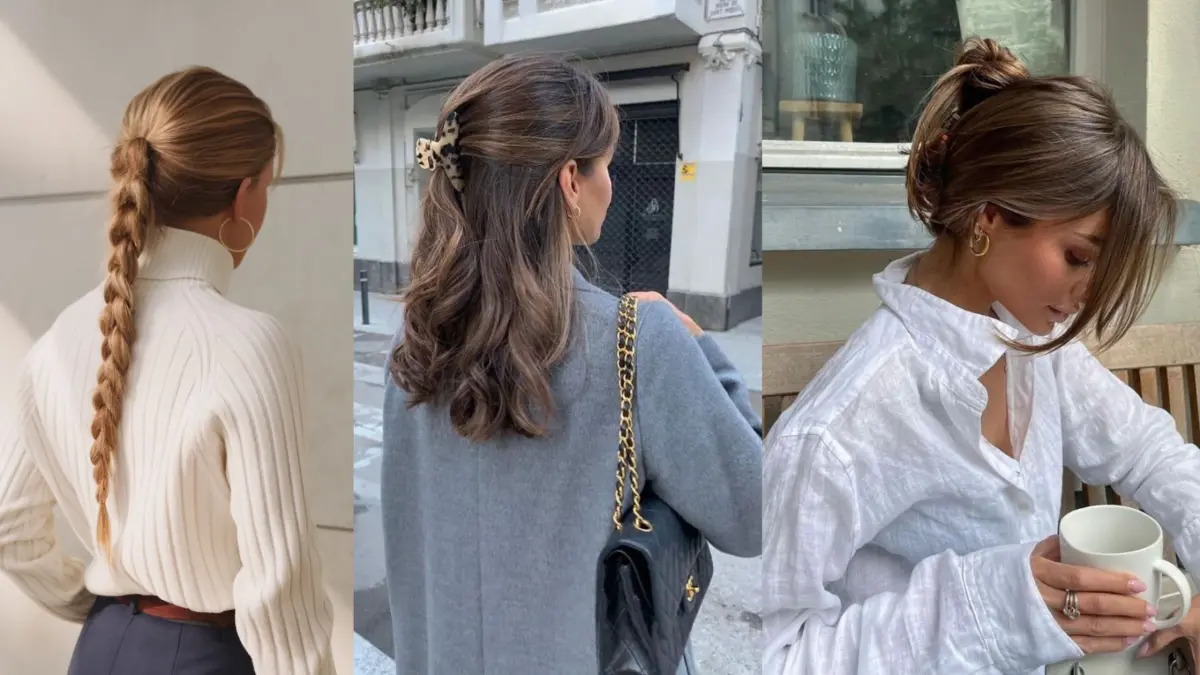
Choosing a hairstyle for the workplace should be about more than achieving a polished appearance. Your hair also needs to remain comfortable, manageable, and protected from unnecessary stress caused by tight styling, excessive heat, or repeated manipulation. Whether you wear curls, coils, waves, twists, or locs, there are plenty of ways to create a professional look without compromising your hair care routine. The key is understanding your hair's needs and selecting styles that complement your texture, daily schedule, and personal preferences.
The best natural hairstyles for work combine practicality with healthy styling habits. A neat bun, a defined twist-out, a natural puff, or a comfortable braided style can help you look ready for the workday while reducing the time spent getting ready each morning. However, even a beautiful hairstyle can cause problems if it creates excessive tension or requires frequent heat styling. By learning how to choose suitable styles, use appropriate products, and maintain your hair between appointments, you can develop a routine that supports both your professional appearance and long-term hair health.
Understand Your Hair Type Before Choosing a Work Hairstyle
Understanding your hair's texture, density, length, and condition is the first step toward choosing a suitable workplace hairstyle. Natural hair ranges from loose waves and curls to tightly coiled strands, and each texture may respond differently to styling products and techniques. Hair porosity, shrinkage, and previous chemical or heat treatments can also influence how a style looks and how easily it can be maintained. You do not need to identify every technical characteristic, but noticing how your hair behaves can help you make better styling decisions.
Consider whether your hair becomes dry easily, tangles frequently, or loses definition throughout the day. If your strands are fragile or your ends break easily, a gentle style that requires little manipulation may be more appropriate than repeated heat styling or tight updos. If your hair is thick and dense, you may prefer twists, braids, or sectioned styles that make daily management easier. Choosing a hairstyle that works with your hair's natural characteristics can reduce frustration and help you establish a more consistent routine.
Your current hair condition matters just as much as your texture. Hair that has been frequently colored, chemically treated, or exposed to high heat may need extra care before you try a demanding style. Avoid forcing your hair into a look that requires excessive tension or repeated straightening simply because it appears attractive in a photograph. Instead, choose an option that suits your hair today and adjust your styling approach as its condition changes.
Choose Natural Hairstyles for Work That Minimize Tension
The amount of tension a hairstyle places on your hair and scalp is an important factor in preventing avoidable damage. Tight ponytails, firmly pulled buns, and braids installed with excessive force can place repeated stress on the hairline. Over time, this tension may contribute to breakage and traction alopecia, a form of hair loss associated with prolonged pulling on the hair. A comfortable hairstyle should feel secure without causing pain, tenderness, or a persistent pulling sensation.
Natural hairstyles for work can be adapted to reduce this risk without sacrificing a polished appearance. A loosely secured low bun, a soft puff, or a gently arranged twist-out can provide a neat finish while allowing your hair to move naturally. Use fabric-covered hair ties or other accessories designed to reduce snagging, and avoid repeatedly tightening your style throughout the day. If you prefer wearing your hair up, alternate the placement and tension of your hairstyles rather than pulling the same sections tightly every morning.
Pay particular attention to the temples and edges, where repeated tension can cause noticeable damage. Avoid using tight accessories to force shorter strands into place, and do not assume that a hairstyle must feel painful to remain secure. If your scalp feels sore after styling, loosen or remove the style as appropriate. Persistent pain, thinning around the hairline, or unusual shedding should be taken seriously and may require advice from a qualified healthcare professional.
Select Professional Natural Hairstyles That Suit Your Routine
Professional natural hairstyles do not have to involve complicated styling techniques or a perfectly smooth finish. A defined wash-and-go, a natural afro, two-strand twists, a flat-twist updo, or a simple low bun can all create a polished appearance. The most suitable option depends on your workplace requirements, hair texture, personal preferences, and the amount of maintenance you can manage. Choose a style that makes you feel confident while remaining comfortable throughout meetings, commuting, and other daily responsibilities.
If your mornings are busy, consider styles that can be prepared in advance. Two-strand twists can be worn as they are or unraveled into a twist-out, while a natural puff can often be refreshed quickly with minimal manipulation. A low bun may work well for days when you need your hair secured away from your face. If you prefer wearing your curls loose, a wash-and-go may be suitable once you establish a routine that provides the definition and manageability you want.
It is also useful to have several hairstyles you can rotate throughout the week. Wearing the same tight style every day may repeatedly stress the same sections of hair, even if the style initially feels comfortable. Alternating between loose curls, twists, and gently secured updos can distribute styling demands and reduce reliance on a single technique. Your routine should reflect your actual schedule rather than requiring daily effort that becomes difficult to maintain.
Reduce Heat Styling to Protect Your Natural Hair
Heat styling can change the appearance of natural hair, but frequent exposure to high temperatures may contribute to dryness, breakage, and heat damage. If you regularly use flat irons or hot combs to achieve a particular workplace look, consider whether a heat-free alternative could provide a similar result. Twist-outs, braid-outs, stretched styles, and carefully arranged updos can offer variety without requiring repeated direct heat. These methods may take some preparation, but they can be useful alternatives for everyday styling.
When heat is necessary, use a suitable heat protectant and follow the product's instructions. Make sure your hair is appropriately prepared before using hot tools, and avoid repeatedly passing an iron over the same section. The appropriate temperature depends on your hair's condition, texture, and the tool being used, so there is no single setting that is ideal for everyone. If your hair has already experienced heat damage, reducing further exposure and consulting an experienced stylist may help you plan a gentler routine.
Humidity and weather can also influence how heat-styled hair behaves. A style that looks smooth when you leave home may respond differently after commuting or spending time outdoors. Instead of repeatedly applying heat to restore the original finish, consider using a style that works with your natural texture and local conditions. This approach can reduce daily maintenance while helping you avoid unnecessary heat exposure.
Maintain Moisture and Handle Your Hair Gently
A consistent cleansing and conditioning routine can make natural hair easier to manage. Choose products according to your scalp's needs, hair texture, and styling habits rather than assuming that expensive products or complicated routines are always better. Conditioner can improve slip during detangling, while a suitable leave-in product may help with manageability between wash days. The right routine varies from person to person, so pay attention to how your hair responds and adjust product use accordingly.
Detangling deserves particular attention because rough handling can contribute to breakage. Work in manageable sections and use your fingers or a suitable detangling tool, depending on your hair's needs. Begin at the ends and gradually work toward the roots, addressing knots carefully rather than pulling through them. If your hair tangles easily, using an appropriate conditioner or detangling product can help reduce friction during the process.
Avoid assuming that applying more oil or styling cream will automatically prevent dryness or damage. Different products serve different purposes, and heavy buildup can make some hair types difficult to cleanse or style. Focus on a routine that keeps your scalp comfortable and your strands manageable without excessive product layering. If you experience persistent dryness, breakage, or scalp irritation despite changing your routine, consider consulting a qualified stylist or healthcare professional, depending on the symptoms.
Use Protective Styles Carefully and Avoid Common Mistakes
Protective styles such as twists, braids, and certain updos can reduce daily manipulation when installed and maintained appropriately. They can be useful for professionals who want a hairstyle that requires less time each morning. However, a style is not automatically protective simply because it keeps the hair secured. Excessive tension, heavy extensions, poor scalp care, and leaving a style in for too long can create additional problems.
Before choosing braids or extensions, discuss the installation method, weight, maintenance requirements, and removal timing with your stylist. The style should feel comfortable immediately after installation rather than painfully tight. Keep your scalp clean according to suitable care instructions, and avoid repeatedly pulling your braids into tight ponytails or buns. If you notice tenderness, bumps, or irritation, address the issue promptly instead of waiting for the style to loosen on its own.
Nighttime care is another important part of maintaining protective styles. A satin or silk bonnet, scarf, or pillowcase can help reduce friction while you sleep. When wearing loose curls or twists, protect the style in a way that does not pull excessively on the roots. Remove styles gently when necessary, and avoid aggressive brushing or detangling immediately afterward. Taking time to care for your hair between appointments can make protective styling more manageable and help limit unnecessary stress.
Build a Healthy Weekly Hair Care Routine
Planning your hairstyle for the week can help you balance professional appearance with hair health. Start by identifying the days when you need a particularly secure style, such as meetings or presentations, and the days when a simple wash-and-go or loose twist-out will work. Preparing your hair in advance can reduce the temptation to use excessive heat or pull your hair tightly when you are running late. A few dependable options can make your routine easier without limiting your personal style.
Your weekly routine should also include time for cleansing, conditioning, detangling, and checking your scalp and hairline. The frequency of these activities depends on your hair type, exercise habits, products, and styling choices. If you wear a protective style, follow appropriate maintenance guidance rather than neglecting your scalp until the style is removed. If you wear your hair loose, refresh it as needed without repeatedly manipulating every section.
Regularly assess whether your hairstyles remain comfortable and manageable. A style that worked well several months ago may no longer suit your hair's length, condition, or current routine. If you notice increased breakage, persistent scalp discomfort, or thinning around the hairline, reconsider the techniques you use and seek professional advice when appropriate. The goal is to maintain a flexible routine that supports your hair rather than forcing your hair to fit a rigid styling schedule.
Conclusion
Choosing natural hairstyles for work without damaging your hair starts with understanding your texture, recognizing the importance of low-tension styling, and selecting options that fit your everyday routine. Simple buns, twists, defined curls, natural puffs, and carefully maintained protective styles can all provide professional looks without requiring excessive heat or complicated techniques. The best choice is one that feels comfortable, reflects your personal style, and can be maintained with reasonable effort.
Professional natural hairstyles can be both practical and hair-conscious when supported by gentle handling, appropriate conditioning, and consistent maintenance. Avoid tight styles, limit unnecessary heat, and pay attention to changes in your hair or scalp. If a particular style repeatedly causes discomfort or breakage, consider an alternative rather than continuing the same routine. With thoughtful choices and regular care, you can create a collection of workplace hairstyles that help you feel confident while prioritizing the long-term condition of your natural hair.













Comments (0)