

Why Do Digital Transistors Matter in Modern Switching Circuits?
Digital Transistors simplify modern switching circuits by combining transistor functionality with built-in resistors. They help reduce component count, save PCB space, simplify logic interfacing, and improve manufacturing efficiency across automotive, industrial, embedded, and consumer electronics.

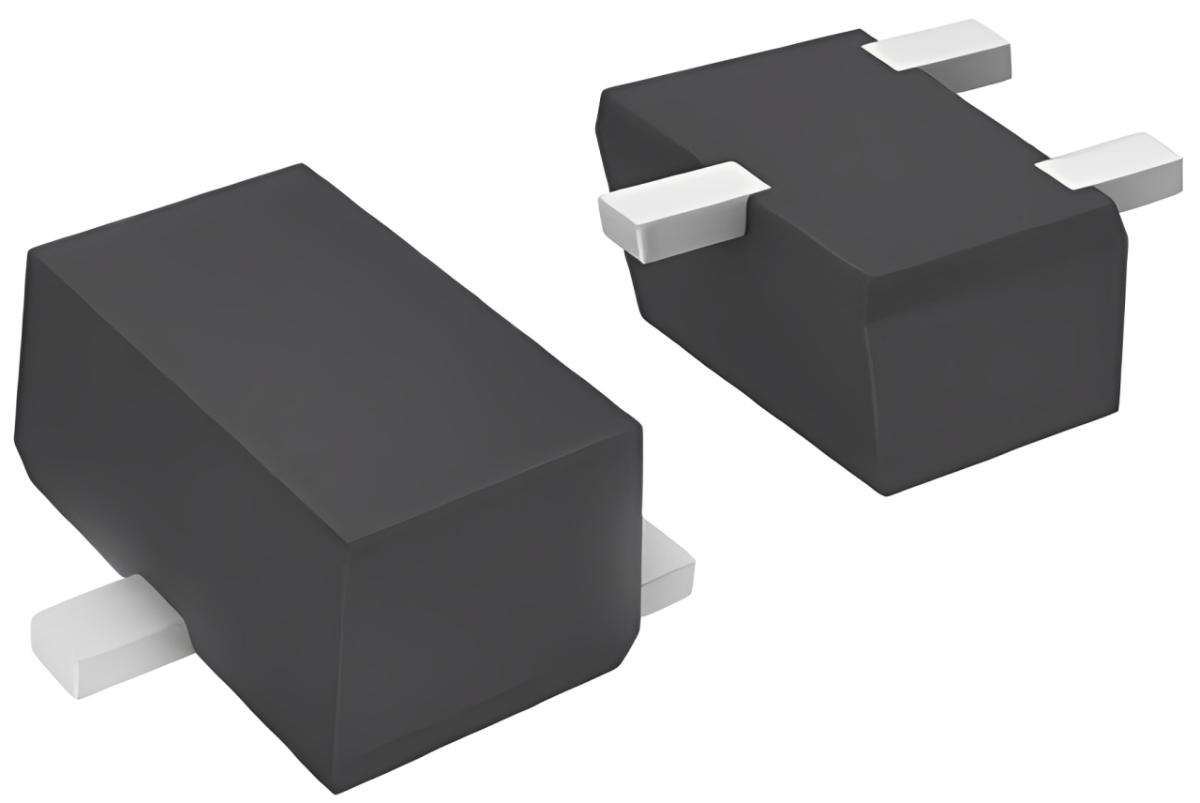
Digital Transistors are compact semiconductor devices designed to make switching circuits easier to build, control, and manufacture. They combine a bipolar transistor with integrated resistors, which means many applications can use fewer external parts compared with traditional transistor circuits.
This makes Digital Transistors especially attractive in modern electronic systems where space, reliability, and production efficiency matter. They can be found in embedded controllers, automotive electronics, industrial equipment, consumer devices, and many other products that depend on reliable low-power switching.
What Is the Basic Purpose of a Digital Transistor?
The main purpose of a Digital Transistor is to control current using a logic signal.
A small input signal can determine whether the transistor allows current to flow through another part of the circuit. In this way, the device works like an electronically controlled switch.
Digital Transistors are commonly used when a logic device such as a microcontroller needs to control a load that requires more current than the logic output can safely provide.
Typical examples include:
- LED indicators
- Relay control
- Small actuator switching
- Alarm outputs
- Signal routing
- Power enable circuits
- Sensor control
- Interface functions
Their built-in resistor arrangement helps simplify the connection between the logic source and the transistor.
Why Are Built-In Resistors Useful?
A conventional bipolar transistor normally requires at least one external resistor at its base terminal. This resistor limits current and helps establish suitable switching conditions.
Some circuits may require an additional resistor to help the transistor switch off properly.
Digital Transistors incorporate these resistors inside the package.
This integration can reduce the number of separate components needed around the transistor and offers several design advantages:
- Fewer external parts
- Smaller PCB layouts
- Reduced wiring complexity
- Faster assembly
- Simpler bill of materials
- Lower risk of incorrect resistor placement
- Cleaner circuit diagrams
This is especially valuable in compact electronic equipment.
How Do Digital Transistors Fit into Logic-Controlled Circuits?
Modern electronics rely heavily on digital logic.
Microcontrollers, processors, and programmable devices generate electrical signals that represent on or off states. These signals are useful for control, but they are not always suitable for directly driving external hardware.
A Digital Transistor can act as a buffer between the logic device and the load.
For example, a processor output may control the transistor, while the transistor switches current through an indicator or relay.
This arrangement helps separate the low-power control stage from the load stage and can make the overall circuit more practical.
Where Are Digital Transistors Commonly Found?
Digital Transistors are used across a wide range of products and industries because their switching function is simple and versatile.
They can appear in:
- Home appliances
- Automotive control units
- Industrial machinery
- Smart sensors
- Security systems
- Portable electronics
- Communication devices
- Test equipment
- Embedded control boards
- Building automation systems
Their suitability for compact surface-mount designs also makes them useful in electronics where available board space is limited.
Why Are Digital Transistors Popular in Consumer Devices?
Consumer electronics often require compact circuits and low manufacturing costs.
A product may contain many small switching stages for indicators, control lines, power management, and peripheral functions.
Using Digital Transistors can reduce the number of separate resistors needed across the board.
This can help manufacturers create smaller assemblies while maintaining efficient production.
Potential applications include:
- Smart home devices
- Remote controls
- Display circuits
- Charging equipment
- Audio systems
- Household appliances
- Portable gadgets
Their compact size makes them particularly useful in high-density PCB layouts.
What Makes Digital Transistors Useful in Industrial Equipment?
Industrial systems often need reliable interface circuits between control electronics and external machinery.
Programmable controllers and embedded processors may send logic signals that must operate indicators, relays, monitoring circuits, or communication interfaces.
Digital Transistors can support these tasks with a relatively simple circuit arrangement.
Their benefits in industrial design may include:
- Easy integration
- Reduced board space
- Repeatable switching behaviour
- Lower component count
- Simplified maintenance design
- Efficient manufacturing
For demanding environments, engineers should always select devices with appropriate temperature and electrical ratings.
How Are Digital Transistors Used in Automotive Systems?
Modern vehicles contain numerous electronic control modules.
These systems manage lighting, sensors, displays, entertainment systems, power functions, and many other features.
Digital Transistors can be used in supporting switching circuits where compact design and logic control are important.
Possible automotive uses include:
- Indicator control
- Sensor switching
- Interior electronic functions
- Control module interfaces
- Warning systems
- Low-current actuator signals
Automotive applications may require specially qualified devices designed to operate reliably across wider temperature and voltage conditions.
What Is the Difference Between NPN and PNP Digital Transistors?
Digital Transistors are generally available in both NPN and PNP forms.
NPN devices are commonly used for low-side switching. This means the transistor completes the connection between the load and ground.
PNP devices are often selected for high-side switching, where the device controls current from the positive supply side.
The best choice depends on the circuit design.
Important considerations include:
- Load position
- Supply arrangement
- Logic polarity
- Current requirements
- Input voltage
- Switching method
Understanding these differences helps engineers select the correct device for the intended application.
Which Specifications Should Be Checked Before Selection?
Digital Transistors come in many different electrical ratings and package types.
A suitable device should be chosen based on the actual requirements of the circuit.
Important specifications include:
- Collector-emitter voltage
- Collector current
- Power dissipation
- Input resistance
- Internal resistance ratio
- Current gain
- Saturation voltage
- Switching time
- Operating temperature
- Package dimensions
Selecting a transistor with suitable safety margins can improve circuit reliability.
The device should not be operated continuously close to its absolute maximum ratings unless the design has been carefully evaluated.
How Can Digital Transistors Reduce PCB Size?
One of the strongest reasons to use Digital Transistors is space efficiency.
A conventional transistor circuit may require a transistor plus one or more separate resistors. Each component takes up physical board area.
With an integrated Digital Transistor, some of these components are combined.
This can result in:
- Smaller board layouts
- Reduced routing requirements
- Fewer solder joints
- Higher component density
- More room for additional functions
These advantages are useful in compact control modules and portable electronic equipment.
Can Digital Transistors Improve Manufacturing Efficiency?
Manufacturing electronics involves more than choosing components.
Every part must be purchased, stored, placed, soldered, inspected, and tracked.
Reducing component count can simplify this process.
Digital Transistors can help manufacturers reduce:
- Placement operations
- Inventory complexity
- Assembly time
- Inspection points
- PCB congestion
- Potential component mistakes
This can make a noticeable difference in high-volume production.
Why Is Thermal Management Still Important?
Although Digital Transistors are often used in low-power applications, they still generate heat during operation.
Power dissipation depends on several factors, including current, voltage drop, duty cycle, and switching conditions.
Designers should consider:
- Maximum current
- Ambient temperature
- PCB copper area
- Package thermal resistance
- Switching frequency
- Continuous operating time
Good thermal design helps ensure stable and reliable operation.
How Do Digital Transistors Support Compact Embedded Systems?
Embedded systems frequently combine processors, sensors, communication modules, and control outputs on one board.
Space is often limited, and unnecessary components can make the design more difficult.
Digital Transistors are useful because they provide a straightforward switching interface without requiring a large external resistor network.
They can support functions such as:
- Device enable control
- Status indication
- Relay activation
- Sensor power switching
- Alarm control
- Peripheral management
This makes them suitable for smart controllers, IoT products, automation modules, and portable equipment.
What Are the Main Design Benefits of Digital Transistors?
Digital Transistors offer several advantages for circuit designers.
The most important include:
- Simplified switching circuits
- Reduced external component count
- Compact PCB layouts
- Easier logic interfacing
- Faster assembly
- Lower design complexity
- Improved production efficiency
- Wide application flexibility
These benefits explain why they are commonly selected for practical switching tasks in modern electronic products.
Why Will Digital Transistors Remain Relevant?
Electronic systems continue to become smaller, smarter, and more highly integrated.
Designers are under increasing pressure to reduce component count while maintaining reliable operation and efficient manufacturing.
Digital Transistors support this goal by combining essential transistor switching with integrated resistor functions.
They may not be the best choice for every high-power or high-frequency application, but they remain highly practical for many logic-controlled switching tasks.
As embedded electronics, automation, connected devices, and automotive systems continue to grow, Digital Transistors are likely to remain an important part of efficient circuit design. Their compact construction, simple interfacing, and manufacturing advantages make them a valuable solution for modern electronic applications.













Comments (0)