

Residential Interior Designers in Delhi: The 2026 Guide to Choosing the Right Expert for Your Home
Choosing residential interior designers in Delhi? Compare services, luxury standards, costs, and timelines, and avoid the red flags before you sign.

A heritage bungalow in South Delhi, a high-rise flat in Dwarka, and a builder's floor in Greater Kailash each demand a different design approach. Natural light, ceiling height, society rules, and storage needs vary widely from one home to the next. That is why choosing among residential interior designers in Delhi is really a question of fit, not just taste or budget. This guide explains what these professionals do, which services to expect, what separates luxury work from ordinary work, and how to compare studios with confidence.
Quick answer: The right designer has completed homes you can verify, gives an itemised quote, understands Delhi’s climate and society regulations, and supervises the project until handover.
What Do Residential Interior Designers in Delhi Do?
A residential interior designer plans how your home looks, functions, and feels, from the first layout sketch to the final styling. The role goes far beyond paint colours and cushions. A good designer starts by studying how your family actually lives, including your daily routines, storage needs, and the way you entertain. From there, they plan layouts so rooms flow naturally and no corner goes to waste, and they select materials that cope with Delhi’s dust, peak summer heat, and winter humidity.
Just as important is coordination. Carpenters, electricians, painters, and vendors all need to work to one schedule, and someone has to make sure the finished home matches the approved design. Local knowledge matters here, because many Delhi societies restrict working hours, limit how materials move through lifts, and enforce rules on structural changes. Designers who work in the city regularly plan around these constraints from day one, which saves you delays and disputes later.
Residential Interior Design Services: What a Complete Scope Includes
Scope varies from studio to studio, so confirm what is included before comparing prices. Full-service residential interior design services usually begin with concept development, where mood boards, colour palettes, and material references set the direction. Space planning follows, covering furniture layouts, circulation, and zoning. Many studios then produce 3D visualisations so you can see the result before any work starts, which makes it much easier to catch problems on screen rather than on site.
The build phase typically includes custom and modular furniture such as wardrobes, kitchens, and TV units, along with lighting design that layers ambient, task, and accent light. Designers also guide flooring, wall treatments, fabrics, and hardware choices. Finally, project management and site supervision keep quality in check through handover, and styling and installation bring in art, accessories, and soft furnishings to finish the rooms.
One decision to make early is whether you want design-only or turnkey service. Design-only delivers drawings and specifications, and you hire your own contractors. Turnkey means the studio manages execution as well. Turnkey saves effort, but it works best when the studio has a clear quality-control process and a named supervisor on site.
What Defines Luxury Residential Interiors?
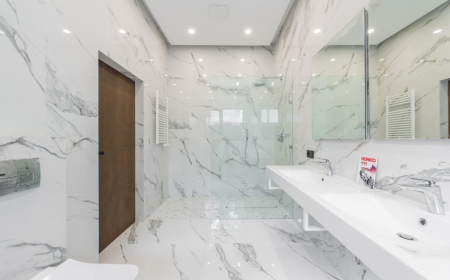
Luxury comes from precision and personalisation, not price tags. Luxury residential interiors are built on bespoke joinery, meaning cabinetry and furniture made to your exact measurements, and on material integrity, such as natural stone, solid wood, quality metals, and fine textiles. Lighting is layered and dimmable, designed to shift the mood from morning to night. The detailing is clean, with flush junctions, concealed storage, and hidden wiring, and the overall look is edited so that every object earns its place.
A simple test is to look closely at how edges, corners, and joints are finished in a designer’s completed work. Careful detailing is hard to fake, and it tells you more about quality than a list of premium brand names ever will.
How to Find the Best Residential Interior Designers in Delhi
A search for the best residential interior designers in Delhi returns hundreds of results, so a repeatable process helps you cut through the noise. Follow these steps in order:
-
Write your brief, including budget range, deadline, rooms involved, and style preferences.
-
Study portfolios critically, favouring completed homes of a similar size over polished renders.
-
Visit a finished project if the studio allows it, since real finishes reveal more than photographs.
-
Read client feedback and look for patterns around communication, deadlines, and after-sales support.
-
Compare quotes line by line, making sure scope, materials, and brands are named.
-
Check the payment schedule, which should follow milestones rather than sit mostly upfront.
-
Confirm warranty terms, including who fixes defects after handover and how quickly.
Watch for warning signs along the way. Vague lump-sum quotes, pressure to sign quickly or pay a large advance, no named person responsible for site supervision, reluctance to share references, and delivery promises that seem too fast for the scope are all reasons to pause and ask more questions before committing.
Cost and Timeline: What Shapes Both
No honest designer can quote accurately without seeing your space, so be cautious of anyone who names a firm figure over the phone. Cost is driven mainly by home size and condition, since larger or older homes need more civil and electrical work. Material grade matters too, because natural stone and imported finishes cost considerably more than laminates and engineered options. Bespoke furniture costs more than modular, and full execution costs more than design-only, so the scope you choose shapes the final number.
Timelines depend on similar factors. An average apartment usually takes about two to four months from design approval to handover, while complex or luxury projects can run longer. The most common cause of delay is late decision-making rather than slow work, so finalising materials and fixtures early keeps the schedule on track.
How to Get the Best Results From Your Designer
The best outcomes come from open communication. Share your daily routines and not only inspiration photos, because a designer who understands how you live can solve problems you have not thought of yet. State your real budget at the start, including a buffer for changes, and lock key materials before work begins. Visit the site at each milestone, and keep all approvals and revisions in writing so nothing is lost in a phone call.
Frequently Asked Questions
How do I choose the right interior designer in Delhi?
Shortlist three or four studios, review their completed residential projects, compare itemised quotes, and speak with past clients. Choose the one whose process and communication you trust.
What is the difference between an interior designer and a decorator?
A designer plans layouts, lighting, materials, and often structural changes. A decorator focuses on furnishings and surface styling. Most full-home projects need design expertise.
How long does a residential interior project take in Delhi?
Typically 8 to 16 weeks for an average apartment, depending on size, customisation, and how quickly decisions are made.
Are residential interior design services only for new homes?
No. Renovations, single-room makeovers, and upgrades to older homes are all common.
Should I choose design-only or turnkey service?
Choose design-only if you want to manage contractors yourself. Choose turnkey if you want one team accountable for both design and delivery.
Final Thoughts: Choosing Residential Interior Designers in Delhi with Confidence
A well-designed home, like a well-chosen wardrobe, comes down to thoughtful selection. Brands such as Kelin Fashion show how attention to fit, fabric, and finish leaves a lasting impression, and the same discipline applies when shaping a living space. The right residential interior designers in Delhi bring that care to every layout, material, and lighting decision, so your home feels personal, comfortable, and built for everyday life.
Before you commit, put your priorities on paper, ask for itemised proposals, and look closely at finished projects rather than polished presentations. A designer who communicates clearly and supervises the work from start to handover will give you a home that looks good and works well for years. Studios like Ryan Creative Living reflect this approach, combining thoughtful planning, quality materials, and careful execution to turn a house into a home that suits the way you live.

Ryan Creative Living is a leading interior design and architecture firm with over 20 years of expertise in creating exceptional residential and commercial spaces. We blend creativity, functionality, and craftsmanship to deliver personalized interiors that reflect your lifestyle, ensuring every project is executed with precision, quality, and timeless design.















Comments (0)