

How to Protect Native Australian Wildlife: Practical Steps Everyone Can Take
Connect with wildlife rescue groups, carers and veterinary services across Australia to help injured, sick and orphaned native animals.
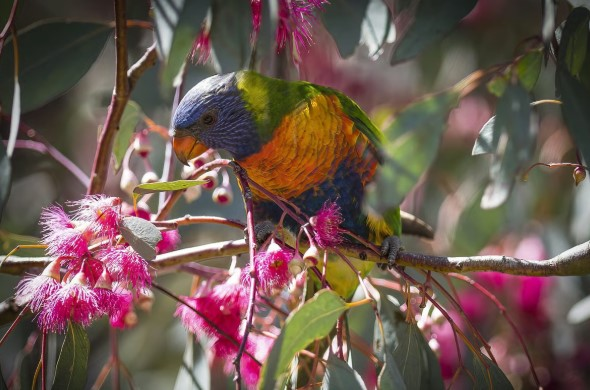
Australia is home to an extraordinary range of native animals, from kangaroos and koalas to possums, wombats, parrots and reptiles. These species contribute to healthy ecosystems and are an important part of the country's natural heritage. However, habitat loss, road accidents, pollution and changing environmental conditions continue to threaten wildlife across many regions.
Protecting native animals does not always require specialised knowledge or extensive resources. Everyday actions, community awareness and access to appropriate wildlife assistance can all contribute to better outcomes for Australian wildlife.
Why Protecting Native Wildlife Is Important
Native animals play essential roles in maintaining ecological balance. Birds help disperse seeds, some mammals contribute to soil health, and many species support pollination and natural food chains.
When wildlife populations decline, the effects can extend beyond individual species. Changes in animal populations may influence vegetation, habitat quality and the wider ecosystem.
Protecting native wildlife helps preserve biodiversity and supports the long-term health of Australia's natural environments.
Major Threats to Australian Wildlife
Understanding the risks facing wildlife is the first step towards reducing preventable harm.
Habitat Destruction
Land clearing, urban development and infrastructure projects can remove nesting sites, shelter and food sources. Animals may be forced to travel through unfamiliar areas, increasing their exposure to traffic and other hazards.
Preserving native vegetation, supporting habitat restoration and protecting wildlife corridors can help animals move safely between suitable environments.
Road Collisions
Roads that pass through natural habitats create risks for kangaroos, wallabies, wombats, possums and many other species.
Drivers can reduce these risks by slowing down in wildlife-active areas, watching for movement near roadsides and remaining alert around dawn, dusk and at night.
If you encounter an injured animal after a collision, stop only when it is safe and contact an appropriate wildlife rescue service.
Pollution and Litter
Discarded fishing lines, plastic packaging and other rubbish can trap, injure or be swallowed by wildlife. Pollution can also affect the quality of habitats and water sources.
Dispose of rubbish responsibly, secure waste containers and participate in local clean-up activities to reduce these risks.
Domestic Pets
Uncontrolled dogs and roaming cats can injure or kill native animals. Young birds and small mammals may be particularly vulnerable.
Keeping pets safely contained and supervising them outdoors can help prevent wildlife attacks.
Simple Ways to Protect Native Animals at Home
Your garden and surrounding property can provide valuable habitat when managed carefully.
Plant Suitable Native Vegetation
Native plants can provide food, shelter and nesting opportunities for local birds, insects and other animals. Choose species suited to your region and avoid removing established vegetation unnecessarily.
Where possible, create a garden that supports local biodiversity rather than relying entirely on ornamental plants.
Make Windows Safer for Birds
Birds may collide with reflective or transparent windows because they mistake reflections for open space or vegetation. Suitable external window markings, screens and other bird-safe measures can help make glass more visible.
Secure Netting and Outdoor Equipment
Loose netting, exposed wire and discarded garden materials can entangle birds, reptiles and small mammals. Use wildlife-safe products where possible and inspect outdoor areas regularly for potential hazards.
Keep Pets Under Control
Prevent pets from chasing wildlife and secure food waste that may attract animals into dangerous areas. Responsible pet management can reduce injuries while allowing native animals to use nearby habitats more safely.
What to Do When You Find Wildlife in Distress
Even in wildlife-friendly environments, animals may become injured or sick. Knowing how to respond can help prevent further harm.
First, observe the animal from a safe distance. Avoid touching unfamiliar wildlife or approaching dangerous species such as snakes, bats, flying foxes and large kangaroos.
Next, contact an appropriate wildlife rescuer or veterinarian. Describe the animal, its location and any visible injuries. Do not give food, water or medication unless a qualified professional specifically advises you to do so.
If you find a young bird or mammal alone, remember that it may not be orphaned. Some young animals naturally spend time away from their parents. Seek professional advice before intervening unless the animal is clearly injured or in immediate danger.
For help locating relevant contacts, Save Animal Now offers an online directory designed to connect people with wildlife rescuers, carers and veterinarians.
The Role of Wildlife Rescue Organisations
Wildlife rescue organisations help people respond to situations involving injured, sick or orphaned animals. Depending on the organisation, their work may include rescue coordination, transport, veterinary referrals, rehabilitation and community education.
Rescue and Assessment
Trained rescuers assess the situation and determine the most appropriate response. Some animals need immediate veterinary attention, while others may require careful monitoring or specialist assistance.
Rehabilitation
Animals that need ongoing care may receive treatment and rehabilitation to recover their health and natural behaviours.
Release and Ongoing Care
When appropriate, recovered animals may be released into suitable habitats following professional assessment. Animals that cannot safely return to the wild may require alternative long-term care arrangements.
These activities require knowledge of animal welfare, species-specific needs and applicable wildlife regulations.
How Communities Can Support Wildlife Conservation
Wildlife protection becomes more effective when individuals and communities work together.
Here are several ways to get involved:
- Volunteer: Contact established wildlife organisations to learn about training and available opportunities.
- Donate responsibly: Support reputable wildlife charities and review how they use contributions.
- Join local conservation activities: Participate in habitat restoration, tree planting and community clean-ups.
- Report injured animals: Contact suitable rescue services instead of attempting treatment yourself.
- Educate others: Share reliable information about wildlife safety and habitat protection.
- Support responsible development: Encourage planning that considers wildlife habitats and movement corridors.
Small actions can have a positive impact when adopted consistently across a community.
Finding Wildlife Assistance When You Need It
When an animal is injured, locating the right rescue contact can be difficult. Services may specialise in certain species or operate within particular geographic areas.
Save Animal Now aims to make this process easier through an online wildlife rescue directory. People can select an animal and enter their location to search for relevant rescue contacts.
This can provide a useful starting point when seeking help for injured birds, possums, kangaroos and other native animals. Users should confirm that a listed service covers their area and can assist with the particular species involved.
Having access to relevant information can help people take informed action and connect with appropriate professionals more efficiently.
Conclusion
Protecting native Australian wildlife requires a combination of habitat conservation, responsible behaviour and community involvement. By managing gardens carefully, controlling pets, reducing pollution and driving cautiously, individuals can help reduce risks to native animals.
When wildlife becomes injured or distressed, contacting an appropriate rescue organisation is an important step towards ensuring it receives suitable care.
Supporting conservation initiatives and sharing reliable information can also help build communities that value and protect Australia's unique wildlife. With practical action and greater awareness, everyone can contribute to a healthier environment for native species.
Connect with wildlife rescue groups, carers and veterinary services across Australia to help injured, sick and orphaned native animals.













Comments (0)