

Are FDA-Approved Implants Used in Breast Augmentation in Dubai?
Understand how regulatory approval applies to implants used in Breast Augmentation in Dubai, safety information, monitoring, and questions to ask at Tajmeels Clinic.
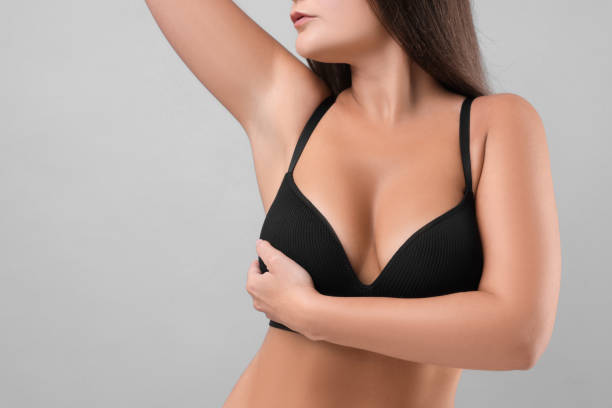
Patients considering Breast Augmentation in Dubai may ask whether the implants offered by a clinic are approved by the US Food and Drug Administration (FDA). FDA approval is relevant to certain breast implants marketed in the United States, but patients should also verify the regulatory status of the specific device being offered in the country where surgery will take place.
An implant's approval status does not mean that it is risk-free or guaranteed to produce a particular result. Patients should understand the device type, its intended use, its risks, and the follow-up requirements before agreeing to surgery.
Understanding FDA Approval for Breast Augmentation in Dubai
The FDA evaluates medical devices according to applicable US regulatory requirements. For breast implants, the approval information relates to a specific product and its authorised uses, not to every implant made by a particular manufacturer.
A clinic should be able to identify the implant brand and model under consideration and provide appropriate manufacturer information. Patients should avoid relying on broad statements such as “FDA-approved implants” without checking which device is being discussed.
FDA Approval and Breast Augmentation in Dubai Device Information
Ask for the implant's full product name, filling material, surface characteristics, and manufacturer documentation. Where relevant, confirm whether the specific model has FDA approval for the intended use in the United States.
Regulatory status can differ between countries, and a product's availability in Dubai does not by itself establish that it has FDA approval. Ask the clinic to explain the relevant local regulatory status as well.
What Implant Types May Be Considered for Breast Augmentation in Dubai?
Breast implants commonly contain either silicone gel or sterile saline inside a silicone outer shell. The appropriate choice depends on the patient's anatomy, preferences, and clinical assessment.
Silicone Gel Implants for Breast Augmentation in Dubai
Silicone gel implants are often selected for their feel, which some patients find similar to natural breast tissue. However, a silicone implant can rupture without an obvious change in breast size or shape.
Patients should ask about the specific device's labelling, potential complications, and recommended monitoring.
Saline Implants for Breast Augmentation in Dubai
Saline implants are filled with sterile salt water. If an implant ruptures, it typically deflates, making the change more noticeable. The body absorbs the saline, but the implant still requires medical evaluation and may need removal or replacement.
Saline and silicone implants have different characteristics. Neither option is automatically suitable for every patient.
What Regulatory Approval Does Not Guarantee in Breast Augmentation in Dubai
Approval or authorisation applies to a device under particular regulatory conditions. It does not guarantee that surgery will be complication-free, that the implant will last for a lifetime, or that a specific cosmetic result will be achieved.
Patients should understand that breast implants can be associated with complications such as:
-
Capsular contracture, in which scar tissue tightens around an implant.
-
Rupture or deflation.
-
Implant movement or changes in breast shape.
-
Infection, bleeding, and changes in sensation.
-
The potential need for further surgery.
-
Rare implant-associated conditions that should be discussed with the surgeon.
Your surgeon should explain the risks associated with the particular implant type and surface being considered.
How to Verify an Implant Before Breast Augmentation in Dubai
Before surgery, ask the clinic to provide enough information for you to understand exactly which implant will be used.
-
Obtain the manufacturer's name and specific model.
-
Ask for the product's official patient information and safety labelling.
-
Confirm the device's relevant regulatory status, including local requirements.
-
Discuss the differences between the proposed implant and suitable alternatives.
-
Ask how the implant will be documented in your medical records.
-
Understand the recommended follow-up and monitoring plan.
Keep your implant identification card and operative records after surgery. These details can be useful if you seek medical care in the future.
Long-Term Monitoring After Breast Augmentation in Dubai
Implants are not lifetime devices. Even when surgery and recovery proceed as expected, future assessment may be needed because implants can rupture, scar tissue can tighten, and breast shape can change over time.
Monitoring recommendations depend on the implant type, manufacturer guidance, and applicable medical recommendations. For silicone implants, ask your clinician about imaging for silent rupture and the appropriate schedule for your circumstances.
Seek medical advice if you notice a new lump, persistent pain, swelling, hardening, or a sudden change in breast shape.
Discuss Implant Safety at Tajmeels Clinic
Understanding an implant's regulatory status is one part of making an informed surgical decision. Tajmeels Clinic can discuss the available implant options, relevant product information, potential complications, and long-term monitoring considerations during a personalised consultation.
Frequently Asked Questions

I’m part of Tajmeels Clinic in Dubai, sharing insights on Rhinoplasty Dubai, facial harmony, skincare, hair restoration, and personalized aesthetic care. lear more: https://tajmeels.ae/en/plastic-surgery/closed-rhinoplasty/










Comments (0)