

How to Choose the Right Three Side Seal Pouches for Your Business
Learn how to select the right three side seal pouches by considering product needs, film materials, size, barrier protection, design features, and supplier reliability.

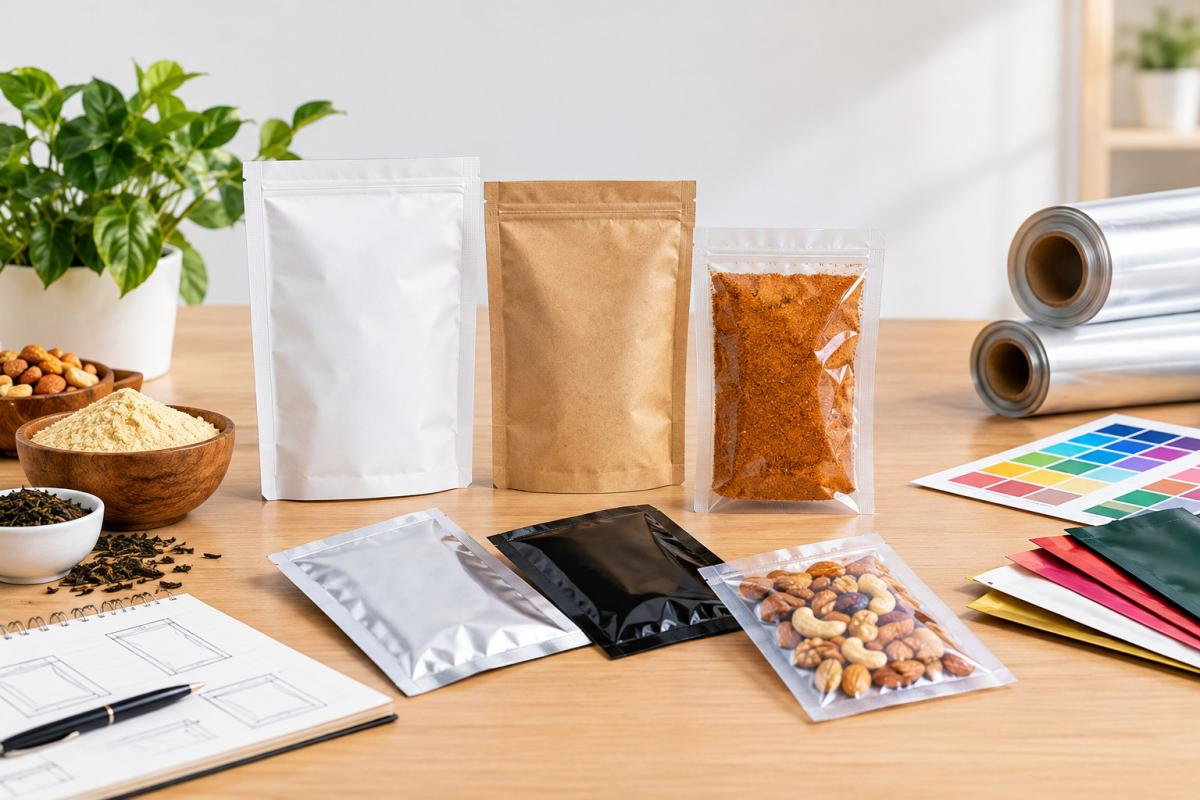
Packaging decisions often get made late, after the recipe is perfected and the brand name is chosen. That is a pity, because the pack decides how the product is stored, shipped, and judged. Picking the right format is less about trends and more about asking a handful of practical questions in the right order. Here is a simple way to work through them.
Start With What Goes Inside Your Pouch
Before looking at samples, write down what you are filling. A dry powder, a crunchy snack, a damp wipe, and a sticky sauce all behave differently. Note how sensitive the product is to air, moisture, and light, how long it must stay fresh, and whether it will be eaten, applied, or simply stored. This short profile becomes the checklist every packaging option must pass.
Understanding How the Pouch Is Built
Three side seal pouches are made from two layers of film joined along both sides and the bottom, leaving the top open for filling. Once the product goes in, the top is sealed shut. The flat, simple construction keeps material use low and makes the pouches economical for medium to high volumes. They suit products that lie flat or are portioned in single servings, such as spices, tea, powders, medical items, and small hardware, but they do not stand upright on their own like gusseted designs.
Matching Film Layers to Your Product
The layers of film decide how well your product is protected. Polyester gives strength and a good printing surface, polyethylene provides sealing, and a metallised or foil layer adds a strong shield against oxygen and light. Clear structures let customers see the product, while opaque ones protect light-sensitive contents. A longer shelf life or a moisture-sensitive product usually calls for more barrier layers, which cost more but prevent spoilage and returns.
Getting Size, Fill, and Fit Right
A pouch that is too tight stresses the seals, and one that is too large looks half empty and wastes film. Measure the product by volume and weight, then allow headspace at the top for sealing. Think also about how the pack will be used. A sachet that fits in a pocket or a sample bag needs different dimensions from a retail pack that sits on a shelf or hangs on a hook.
Small Features, Big Difference for Customers
Add-ons can change how customers experience the pack. A few useful options are:
-
Tear notches for easy opening without scissors
-
Resealable zippers for products used over several days
-
Hang holes for peg display in retail stores
-
Round corners for safer handling and a neater look
Choose only what the product truly needs, since each feature adds a little cost.
Look and Feel on the Store Shelf
Printing turns a plain pouch into a brand asset. Decide early whether you want a glossy finish for bright colours or a matte one for a softer, premium look. Keep the front panel clear, with the product name, key benefit, and quantity easy to read, and leave the back for details such as ingredients, directions, and batch information. Share high-resolution artwork and ask for proof before printing begins.
Asking Suppliers the Right Questions Before Ordering
The supplier matters as much as the pouch. When comparing makers of flexible packaging pouches, ask about minimum order quantity, lead time, material certifications, and whether they can match colours consistently across reorders. If your product is food or cosmetics, confirm that the film is approved for such use. A supplier who explains trade-offs openly, rather than pushing the most expensive option, is usually easier to work with over the long run.
Running a Small Trial Batch First
Order a modest sample batch before committing to a large run. Fill the pouches on your actual line, seal them, and check for leaks, wrinkles, and seal strength. Keep a few in a warm room and a few in a refrigerator for several days, then compare them with fresh ones. If possible, ask a few customers or colleagues how the pack feels to open and use. Small adjustments at this stage are inexpensive, while the same changes after full production are not.
Final Thoughts
The best pouch is not the fanciest one but the one that suits your product, your budget, and your customers. By defining what you are packing, choosing the right structure and film, and testing before scaling up, you move from guesswork to a confident decision. Treat packaging as part of the product itself, and it will repay the attention you give it.











Comments (0)