

How to Choose the Right Hospital for Orthopedic Surgery in Vadodara
Learn how to choose the right hospital for orthopedic surgery in Vadodara by evaluating specialist expertise, surgical facilities, treatment options, and rehabilitation support.

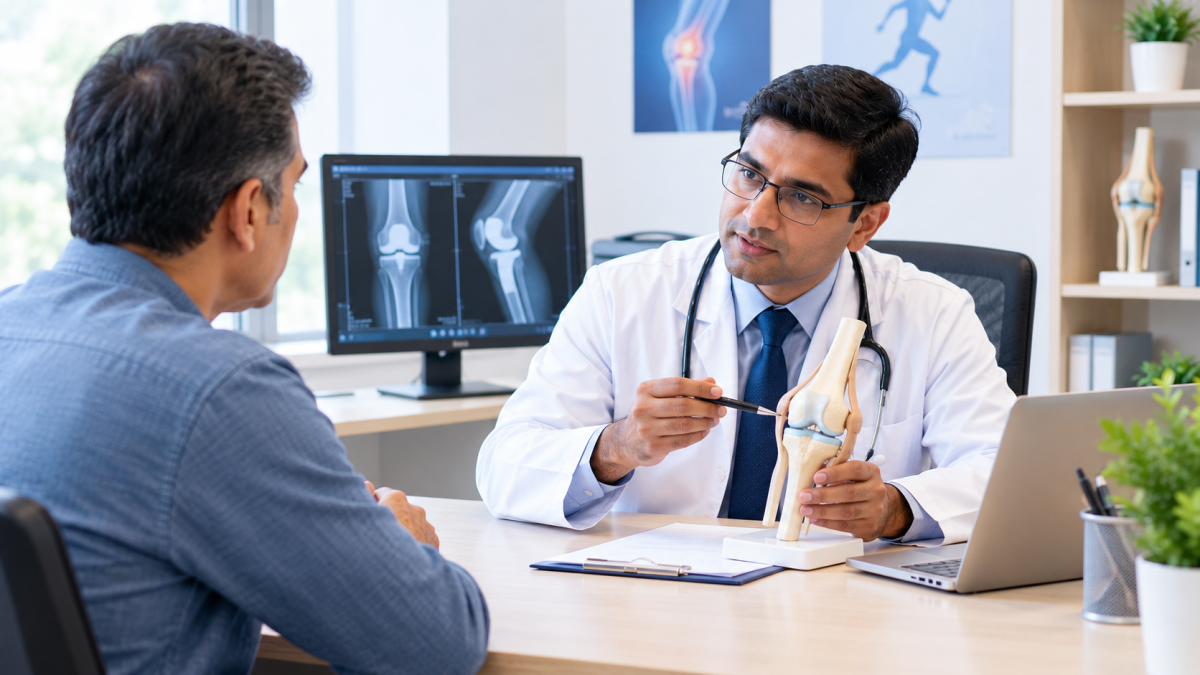
Bone and joint problems can affect almost every part of daily life, from walking and climbing stairs to working or enjoying sports. While medication and physiotherapy may relieve some conditions, others require surgery to repair damaged tissues, restore joint function, or improve mobility. Choosing where to receive treatment is an important decision. Understanding the available procedures, specialist expertise, and recovery support can help patients feel more prepared and confident about their care.
Understand Your Condition Before Considering Surgery
Orthopaedic conditions vary in severity and often require different treatment approaches. Arthritis can gradually damage the joints, sports injuries may affect ligaments and cartilage, and accidents can lead to fractures that need immediate medical attention. Spinal disorders may also cause persistent pain, restricted movement, or nerve-related symptoms.
Surgery is not always the first recommendation. Depending on the diagnosis, a doctor may suggest medication, physiotherapy, activity modification, or other non-surgical treatments. If an operation is necessary, the specialist will consider the condition's severity, the patient's general health, and the expected benefits of the procedure.
A detailed consultation helps patients understand why surgery may be needed, what alternatives exist, and how treatment could affect their everyday activities. This discussion also provides an opportunity to ask about risks, recovery time, and expected outcomes.
Explore the Different Types of Orthopaedic Surgery
Orthopaedic surgery covers a wide range of procedures designed to treat bones, joints, muscles, ligaments, and the spine. Knowing the basic differences can help patients understand their doctor's recommendations.
-
Joint replacement: Knee or hip replacement may be considered when severe joint damage causes persistent pain and limits movement, particularly when other treatments no longer provide sufficient relief.
-
Arthroscopy: This minimally invasive technique uses a small camera and specialised instruments to examine or treat certain problems inside a joint.
-
Fracture surgery: Some broken bones require plates, screws, rods, or other fixation devices to stabilise the affected area and support healing.
-
Sports injury surgery: Selected ligament, tendon, and cartilage injuries may require surgical repair to improve joint stability and function.
-
Spine surgery: Certain spinal conditions may require an operation when symptoms, nerve involvement, or structural problems warrant surgical treatment.
The most suitable procedure depends on the diagnosis and individual circumstances. A specialist can explain the available options and whether conservative treatment remains appropriate.
Why Specialist Experience and Facilities Matter
Orthopaedic procedures require accurate diagnosis, careful planning, and appropriate surgical expertise. A patient undergoing knee replacement may have different needs from someone receiving treatment for a complex fracture or spinal condition. Experience with the relevant procedure is therefore an important consideration.
Patients seeking an orthopedic hospital in Vadodara can benefit from exploring facilities that provide specialist assessment for their particular condition, alongside suitable diagnostic and surgical services. Access to imaging, anaesthesia support, operating theatres, and emergency care can contribute to a coordinated treatment process.
It is also worth discussing the surgeon's experience, possible complications, and the expected benefits of the proposed operation. Clear answers help patients understand their choices and establish realistic expectations before treatment begins.
Prepare for Surgery and the Recovery Period
Preparation can make the treatment journey more organised. Before an operation, patients may need blood tests, imaging, medication reviews, or medical clearance, depending on their health and the planned procedure. Following pre-operative instructions is important for reducing avoidable risks.
Recovery deserves equal attention. After surgery, patients may require pain management, wound care, movement restrictions, and scheduled follow-up visits. Rehabilitation may include guided exercises to improve flexibility, strength, balance, and joint function.
For example, a person recovering from knee replacement may need progressive exercises to regain movement, while someone treated for a fracture may have restrictions on how much weight they can place on the affected limb. Following the medical team's instructions helps patients progress safely and recognise when further assessment is needed.
Evaluate Patient Support and Follow-Up Care
Good orthopaedic care extends beyond the operating theatre. Patients often need guidance about daily activities, returning to work, managing discomfort, and recognising possible complications. Accessible follow-up services can help address concerns as recovery progresses.
A trusted hospital in Vadodara can be an important part of a patient's treatment journey when its medical team provides clear explanations, appropriate specialist care, and guidance throughout recovery. Patients should feel comfortable discussing their concerns and asking questions about treatment plans, costs, and rehabilitation requirements.
Practical considerations also matter. Appointment availability, travel distance, insurance coverage, and access to physiotherapy may affect how easily patients can attend consultations and follow-up sessions. Reviewing these details alongside clinical advice can help families make a more informed decision.
Questions to Ask Before Choosing a Hospital
Before committing to orthopaedic surgery, prepare a few questions for the treating specialist. Ask why the procedure is recommended, whether non-surgical alternatives are available, what risks may arise, and how long recovery is likely to take. You can also ask about the expected hospital stay, rehabilitation schedule, and possible costs.
Bring previous X-rays, MRI scans, prescriptions, and details of existing medical conditions to the consultation. These records may help the specialist understand your medical history and avoid unnecessary repetition of investigations.
If you remain uncertain about a major procedure, seeking a second opinion can provide additional perspective. The final decision should reflect your medical needs, the specialist's advice, and a clear understanding of the benefits and limitations of treatment.
Conclusion
Choosing the right hospital for orthopaedic surgery involves understanding your condition, exploring suitable procedures, and considering specialist expertise, surgical facilities, and rehabilitation support. Clear communication and realistic expectations are equally important throughout the process. By discussing your options with a qualified orthopaedic specialist and reviewing the care available, you can make a more informed decision about treatment and recovery.










Comments (0)