

How Tajmeels Clinic Helps Patients Understand Mole Removal Options
Understand mole removal options in Dubai, including skin assessment, treatment methods, healing expectations, and personalized guidance at Tajmeels Clinic.

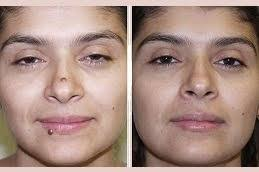
Moles are common skin growths that can appear on the face, neck, back, arms, and other areas of the body. While many moles are harmless, some people consider removing them because of their appearance, irritation, or changes in their skin. Understanding the available mole removal options is an important first step toward making an informed decision.
For people considering Mole Removal in Dubai, professional guidance can help clarify which approaches may be appropriate, what the procedure involves, and how to care for the skin afterward. At Tajmeels Clinic, patients can discuss their concerns, understand the importance of a proper skin assessment, and explore suitable options based on their individual needs.
Why Understanding Mole Removal Options Matters
Not every mole is the same. Moles can differ in size, colour, shape, depth, and location. These characteristics influence how a mole should be assessed and whether removal is appropriate.
Some patients are concerned about a raised mole that catches on clothing, while others want to address a visible mole on their face. However, appearance alone cannot determine whether a mole is medically harmless.
Understanding the available options helps patients make decisions based on accurate information rather than assumptions. It also allows them to discuss potential benefits, limitations, healing time, and the possibility of scarring before proceeding.
A qualified healthcare professional should examine a mole that is new, changing, bleeding, persistently itching, or showing irregular borders or colours. Such moles may require further investigation rather than immediate cosmetic removal.
How a Professional Skin Assessment Guides Treatment
A skin assessment is an important part of planning mole removal. Before recommending a procedure, a qualified clinician may examine the mole's appearance, size, location, and surrounding skin.
The clinician may also ask when the mole first appeared, whether it has changed, and whether there is a personal or family history of skin cancer. These details can help determine whether further examination or testing is necessary.
Depending on the findings, the clinician may recommend monitoring the mole, arranging a specialist assessment, or considering removal. If a mole appears suspicious, a biopsy or laboratory examination may be needed to establish a diagnosis.
Patients should understand that not every mole is suitable for immediate cosmetic treatment. Proper evaluation helps ensure that important medical concerns are not overlooked.
Common Mole Removal Methods Explained
Different techniques may be considered depending on the mole's characteristics and the clinician's assessment. Each method has different benefits and limitations.
Surgical Excision
Surgical excision involves removing the mole and, when appropriate, a small amount of surrounding skin. The area may be closed with stitches, depending on the size and depth of the removal.
This method may be recommended when complete removal is needed or when the tissue should be examined in a laboratory. A small scar may remain, and the final appearance depends on factors such as the mole's location, the closure technique, and individual healing.
Shave Removal
Shave removal involves removing a raised skin lesion using a suitable surgical instrument. It may be considered for selected raised moles after clinical assessment.
This technique is not appropriate for every type of mole. Some lesions may extend deeper into the skin, and removal may leave a mark or allow the mole to recur. The clinician should also determine whether the tissue needs laboratory examination.
Laser Treatment
Laser technology is used for certain skin concerns, but it is not suitable for every mole. A laser may alter or destroy tissue, potentially making it difficult to assess a suspicious lesion accurately.
For this reason, laser treatment should not be chosen simply because a mole is visible or bothersome. A clinician must first determine whether the lesion is appropriate for cosmetic treatment and whether a method that preserves tissue for examination is needed.
How Mole Location Influences the Recommended Approach
The location of a mole can affect the treatment plan and expected healing process. Facial moles may require particular attention because the skin is visible and scarring can be a concern. Moles on the neck or areas exposed to friction may cause irritation, while those on the back can be difficult to monitor without assistance.
Skin type, healing tendencies, the size of the lesion, and the risk of pigment changes can also influence treatment decisions.
Patients should discuss their priorities openly during the consultation. However, the method that offers the best cosmetic appearance is not always the most medically appropriate option. Health and accurate diagnosis should remain the priority.
What Patients Should Know About Healing and Aftercare
Healing after mole removal varies according to the procedure, the size and depth of the wound, and individual skin characteristics. Some areas heal within a relatively short period, while deeper removals may require longer wound care and follow-up.
Patients should follow the clinician's instructions regarding cleaning, dressings, and activity restrictions. They should avoid picking at scabs, protect healing skin from excessive sun exposure, and use recommended wound-care products.
Temporary redness, tenderness, swelling, or changes in pigmentation may occur. A scar can also develop, even when the procedure is performed carefully.
Increasing pain, spreading redness, pus, fever, or persistent bleeding should prompt medical advice. Patients should also attend any recommended follow-up appointments, particularly if tissue has been sent for laboratory analysis.
Understanding Mole Removal at Tajmeels Clinic
At tajmeels clinic dubai, patients considering mole removal in Dubai can discuss their skin concerns and learn about the factors that influence treatment selection. A consultation provides an opportunity to ask questions about assessment, suitable procedures, healing expectations, and potential cosmetic outcomes.
Individual evaluation is important because a method that may suit one patient might not be appropriate for another. Patients should be given clear information about the proposed approach, possible risks, expected recovery, and whether further medical investigation is necessary.
Before proceeding, patients can ask whether the mole requires laboratory testing, what type of scar might develop, and what follow-up care will be needed. These discussions support informed decision-making and help patients understand the difference between cosmetic treatment and medically necessary evaluation.
Questions to Ask Before Choosing Mole Removal
Before deciding on a mole removal procedure, consider asking:
-
Is the mole suitable for cosmetic removal, or does it need further investigation?
-
Which removal method is appropriate for its size, depth, and location?
-
Will the removed tissue be sent for laboratory examination?
-
What are the possible risks of scarring, pigmentation changes, or recurrence?
-
How long might healing take, and what aftercare will be required?
-
When should I return for a follow-up assessment?
Clear answers can help you set realistic expectations and understand the treatment process before making a decision.
Making an Informed Decision About Mole Removal
Choosing mole removal involves more than selecting a procedure. It requires understanding the nature of the mole, the available treatment methods, and the possible effects on the skin.
For anyone exploring mole removal in Dubai, a professional assessment is the best starting point. Tajmeels Clinic can provide a setting for discussing individual concerns and understanding the considerations involved in treatment planning. The right decision should be based on clinical evaluation, personal needs, and realistic expectations, with skin health taking priority over cosmetic results.
More Information
Tajmeels Clinic Dubai
WhatsApp: +971 56 203 8751
Phone: tel:+971 43739000
Social Media:
Tajmeels clinic is different from other cosmetic resorts because our doctors are specialized in their fields from the best organizations in the world










Comments (0)