

Memorial Service vs Celebration of Life: Which One Is Right for Your Family?
Not sure about a memorial service vs celebration of life? Learn how they differ in tone, format, and cost, and how to choose the right tribute.

Introduction
When someone you love dies, one of the first questions is how to say goodbye. Many families in the U.S. get stuck on the choice between a memorial service vs celebration of life, because the two terms are often used as if they mean the same thing. They share a purpose, which is honoring a life, but they differ in mood, structure, and expectations. Knowing those differences makes the decision less stressful at a time when you are already carrying a lot.
What Is a Memorial Service?
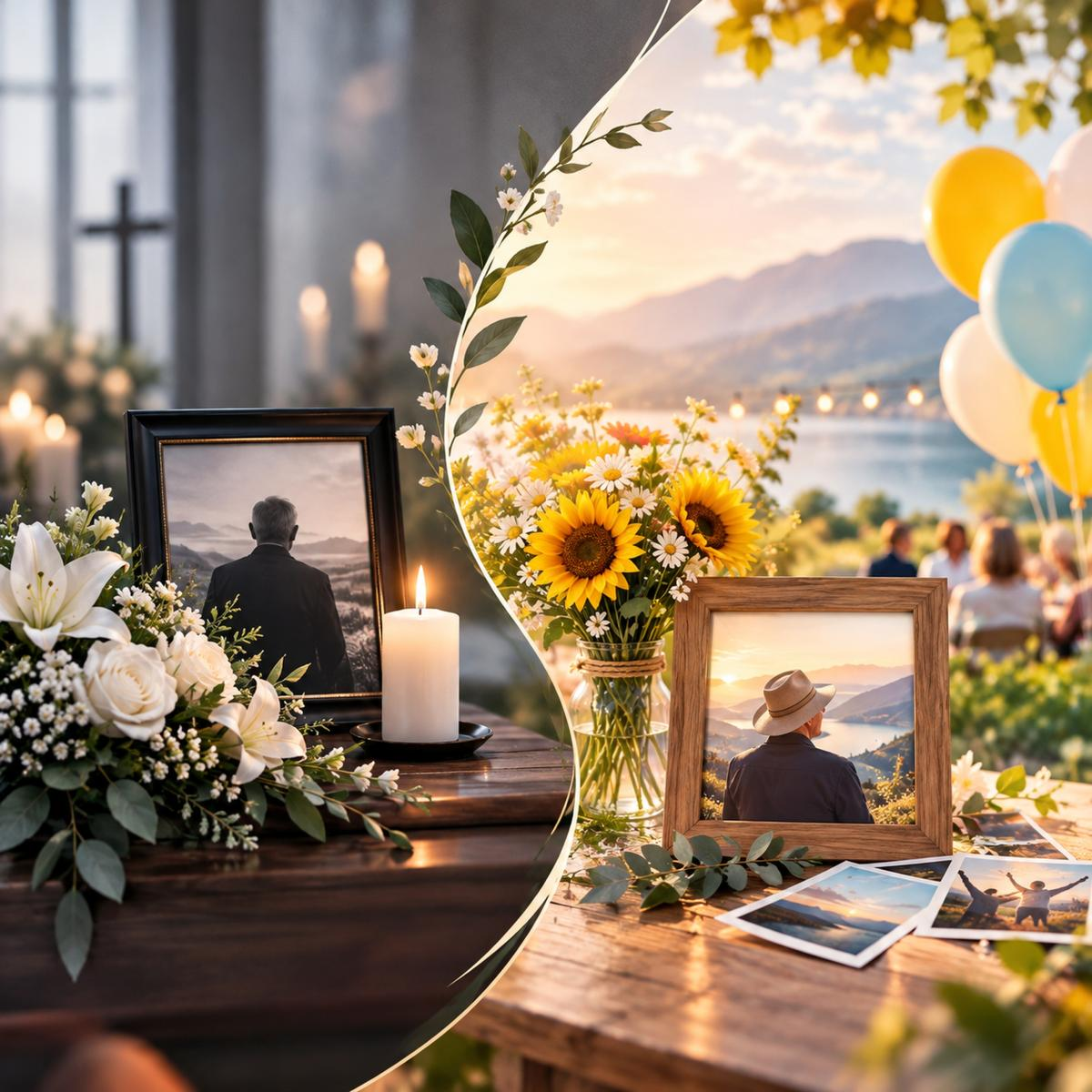
A memorial service is usually a more formal, structured gathering held to remember someone who has died. It often follows a set order: a welcome, readings or prayers, a eulogy, music, and a closingIt can be held at a chapel, house of church, or funeral home, and it is frequently conducted by a funeral director, officiant, or member of the clergy.
The mood tends to be reflective and solemn, though that doesn’t rule out warm stories or laughter.The body may or may not be present at a memorial service. It may happen days or weeks after a death, which gives out-of-town relatives time to travel.
What Is a Celebration of Life?
A celebration of life puts the emphasis on the person’s personality, passions, and the joy they brought to others. These gatherings are usually more relaxed and personal. Rather than a fixed program, guests might share open-mic stories, view photo displays, listen to the person’s favorite playlist, or eat a favorite meal.
Because the format is flexible, a celebration of life can happen almost anywhere: a backyard, a community hall, a park pavilion, a restaurant, or a favorite fishing spot. The dress code is often casual, and some families invite guests to wear a favorite color or a sports jersey in tribute.
Key Differences at a Glance
Tone and Atmosphere
A memorial service generally leans toward quiet remembrance, while a celebration of life leans toward storytelling and shared joy.Neither is more courteous than the other. They simply suit different personalities and different families.
Structure and Leadership
Memorial services often follow a traditional or religious script. Celebrations of life are usually organized around the individual, with a family member, friend, or hired celebrant guiding the event as a host.
Venue and Timing
Memorial services commonly use a funeral home or place of worship. Celebrations tend to use more varied spaces, and they are often scheduled when the family feels ready, sometimes weeks or months later.
Cost Considerations
There is no general price difference because prices vary depending on the location, venue, caterer, and services you select. A celebration at a home or park can be affordable, while a catered event at a rented venue may cost more than a simple chapel service. Funeral homes in the United States are subject to the FTC's Funeral Rule. must give you a General Price List when you ask about arrangements, which helps you compare options before you commit.
How to Choose Between the Two
Start with the person who died. Ask yourself a few questions:
-
Did they leave wishes, written or spoken, about how they wanted to be remembered?
-
Were they deeply religious or tied to a particular faith community?
-
Would they have preferred a room filled with laughter and music or a quiet farewell?
-
What setting would feel natural to their friends and family?
Also consider the people attending. An older generation may find comfort in familiar rituals, while younger relatives may connect more with a personal, story-driven event. The two aren’t mutually exclusive, either. Some families hold a short, formal service followed by a relaxed reception that carries the spirit of a celebration.
Planning Tips That Work for Either Format
Choosing a venue early gives you something concrete to plan around, and some families find that a dedicated space makes it easier to blend traditional and personal elements, such as [ANCHOR TEXT](TARGET URL). Beyond the location, a few details tend to matter most:
-
Keep the program manageable. Three to five speakers is usually plenty, and a clear time limit for each keeps the event moving.
-
Add personal touches. Photo boards, a memory table, handwritten notes, or a short slideshow help guests feel connected without needing a long program.
-
Plan for accessibility. Think about parking, seating, and restrooms for older guests or those with mobility needs.
-
Offer a way to share memories. A guest book or a memory jar lets quieter attendees contribute.
-
Consider livestreaming. A simple video link can include relatives who cannot travel.
There Is No Wrong Choice
The right format is the one that feels honest to the person being remembered and comforting to those who loved them. Some families need the structure of ritual, and others heal through laughter and shared stories. Whether you hold a traditional service or a celebration life memorial, what people will remember most is not the label on the event but the care behind it and the sense that the person’s life was truly seen.













Comments (0)