

Finding the Details That Matter: Using an LED Hand Lamp for Equipment Troubleshooting
When a machine stops working as expected, finding the cause often begins with a careful inspection. Maintenance personnel may need to examine connectors, look behind equipment covers, check accessible components, or look for visible signs of wear. These tasks can become difficult when the work area is poorly lit or when machinery creates shadows that hide important details.

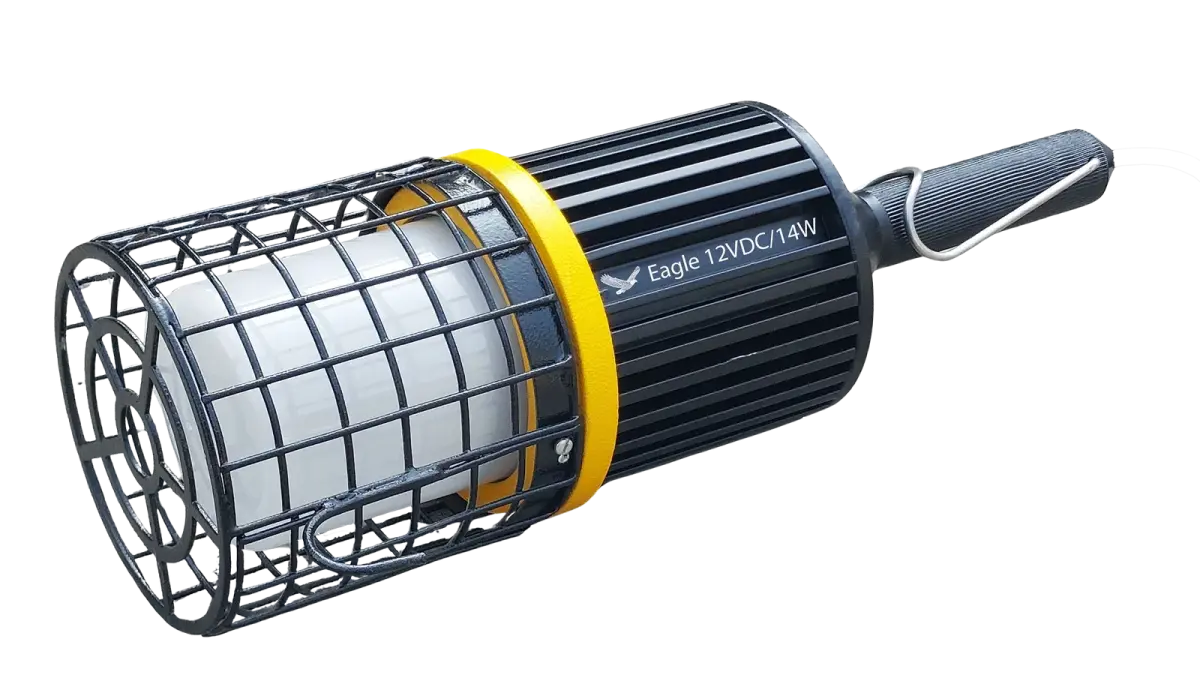
Portable lighting can help solve this everyday challenge. An LED Hand Lamp allows technicians to carry illumination directly to the point they need to inspect. Rather than relying entirely on fixed lights, they can adjust the position of the lamp as they move around equipment and investigate different areas.
For workshops, industrial maintenance departments, and service teams, understanding how to choose and use portable lighting can make inspection work more practical and organised.
The Importance of Visibility During Troubleshooting
Troubleshooting involves identifying why equipment is not operating as expected. Although some faults require diagnostic instruments or specialist testing, a visual examination is often one of the first steps.
A poorly illuminated work area can make it harder to see external damage, loose fittings, surface conditions, or component locations. Workers may need to change their position several times to obtain a clearer view.
Portable lighting helps direct illumination toward the area under examination. It can be particularly useful when a machine is positioned close to a wall, when components are recessed, or when the inspection point is outside the main beam of a fixed light.
Good visibility does not guarantee that a fault will be identified, but it can make visual checks easier to carry out.
How Portable Lighting Supports Maintenance Teams
Maintenance work rarely follows one identical routine. Some tasks take place at a workbench, while others require inspection around large equipment or in service areas with limited access to fixed lighting.
A portable lamp can support several common activities.
Examining machinery
Machine components may be positioned behind structural parts or inside spaces that receive little direct light. A handheld light allows the technician to illuminate accessible areas while following the equipment manufacturer's safety instructions.
Checking electrical enclosures
During authorised maintenance activities, technicians may need to examine the inside of an electrical enclosure or inspect the condition of accessible components. Suitable portable lighting can improve visibility, but it does not remove the need for isolation, verification, and other required electrical safety procedures.
Inspecting equipment in workshops
Workshops often contain tools, machinery, storage racks, and workstations that create changing lighting conditions. A portable lamp can be moved between tasks without requiring the entire work area to be rearranged.
Carrying out routine facility checks
Maintenance personnel may inspect equipment in utility rooms, storage areas, and other parts of a facility. A portable light can be useful when the available illumination is insufficient for a particular visual check.
Why LED Technology Is Useful in Portable Lighting
LED lighting is commonly used in portable lamps because it can provide illumination in a compact design. The suitability of an individual product still depends on its specifications and construction.
When evaluating an LED lamp, users should consider whether the illumination is appropriate for their work, whether the product is comfortable to handle, and whether its electrical requirements match the intended power source.
The physical design also matters. A lamp used frequently throughout a shift should be practical to carry, position, and store. Its construction should suit the conditions in which it will operate.
Rather than choosing solely by wattage or appearance, compare the manufacturer's listed information with the actual requirements of the task.
Choosing the Right Hand Lamp for Troubleshooting
A portable lamp should be selected with its working environment and intended use in mind. These considerations can help guide the decision.
1. Identify the inspection task
Determine whether the lamp will be used for general maintenance, close visual checks, equipment servicing, or another purpose. The task influences the type of illumination needed.
2. Check the rated voltage
Confirm the lamp's specified operating voltage and ensure that the power source is compatible. Never connect a product to an unverified supply.
3. Review the working conditions
Consider dust, moisture, temperature, impact risks, and other environmental factors. Check the product documentation to establish whether the lamp is suitable for those conditions.
4. Consider handling and positioning
A practical grip and manageable design can make it easier to direct light toward different inspection points. Think about how the lamp will be carried and used during normal work.
5. Check construction and maintenance needs
Review the product's housing, connections, and care instructions. A lamp should be suitable for the expected frequency of use and the conditions of the maintenance area.
6. Follow workplace safety requirements
Some locations require specialised or certified lighting equipment. Verify the applicable requirements before using a portable lamp in a hazardous or restricted environment.
Eagle LED Hand Lamp from Mimic Products
Mimic Products lists an Eagle LED Hand Lamp with a rated supply of 12 VDC and a power rating of 14 watts. The product is described for safety lamp, maintenance lamp, and inspection lamp applications.
These specifications provide useful starting information for customers evaluating portable lighting. However, the product's complete details should be reviewed before purchase to confirm its suitability for the task, power source, and installation environment.
When comparing available options, consider the work to be performed rather than assuming that a single type of lamp will meet every inspection requirement.
Safe Practices When Using Portable Lighting
Lighting helps users see their work, but it must be used as part of a safe working process.
Before starting, check the lamp for visible damage and confirm that it is suitable for the environment. If the lamp has a cable or connector, inspect the accessible parts and follow the manufacturer's instructions.
When troubleshooting machinery, apply the required shutdown and isolation procedures before inspecting areas that could expose workers to moving parts or electrical hazards. Never assume that a machine is safe simply because it is switched off.
Keep the lamp positioned so that it does not obstruct movement or interfere with the work. In environments with specific electrical, moisture, or ignition risks, use only equipment rated for the relevant conditions.
If the lamp flickers, overheats, or shows signs of damage, discontinue use and arrange an appropriate inspection. Safe handling should remain a priority even during routine tasks.
Maintaining the Lamp Between Inspections
Portable lighting is often moved, handled, and stored repeatedly. Regular checks can help identify problems before the next maintenance task begins.
A simple routine may include cleaning the lamp according to the manufacturer's guidance, examining its housing and visible connections, and checking that it operates as expected. Store it in a suitable place when not in use, and avoid exposing it to conditions outside its specified limits.
If the lamp develops a fault, do not attempt an unauthorised repair. Follow the manufacturer's recommendations and have the equipment assessed by appropriately qualified personnel where necessary.
Including portable lighting in regular equipment checks can also help maintenance teams keep their tools organised and ready for use.
Conclusion
Troubleshooting often depends on careful observation, and good lighting helps technicians examine accessible equipment more clearly. Portable lighting is particularly useful when fixed lights cannot illuminate the exact area that needs attention.
An LED Hand Lamp can support inspection, servicing, and workshop maintenance when its specifications match the intended application. Mimic Products offers an Eagle LED Hand Lamp rated at 12 VDC and 14 watts for maintenance and inspection-related uses. Review the available product information to determine whether it is appropriate for your workplace and lighting requirements.













Comments (0)