

Japan Medical Student Tour: Exploring Healthcare, Medical Technology, and Global Learning

Introduction
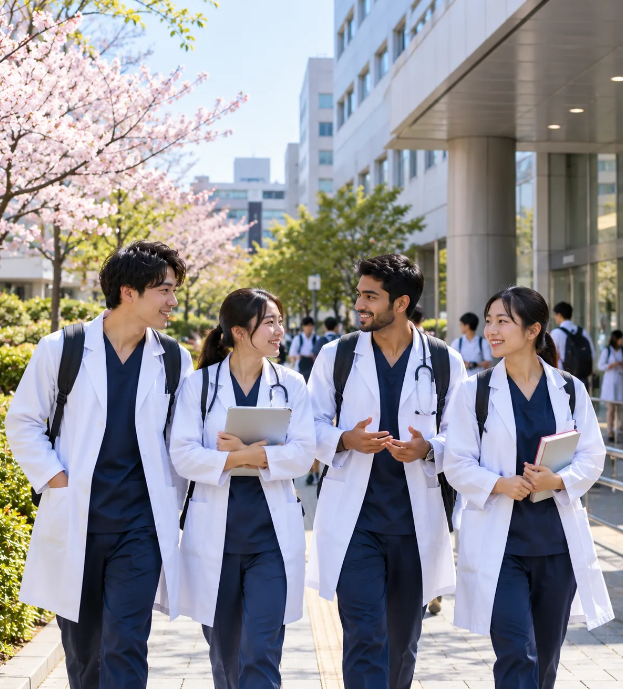
Medical education involves more than studying textbooks, attending lectures, and practising in classrooms. Students also benefit from understanding how healthcare systems operate in different countries, how medical technology supports patient care, and how research contributes to better treatment methods. International educational tours offer an opportunity to explore these subjects from a broader perspective while experiencing a different culture.
Japan is an interesting destination for medical students because of its advanced technology, organised public healthcare infrastructure, research-driven environment, and emphasis on cleanliness and precision. An educational visit to Japan can help students observe how technology and systematic processes contribute to healthcare services. It also allows them to understand the relationship between medical science, innovation, and community well-being.
A well-planned international tour combines academic exposure with cultural learning, helping students connect their theoretical knowledge with real-world observations.
Why Japan Is a Valuable Destination for Medical Students
Japan provides an opportunity to study healthcare from an international perspective. Its technological development, ageing population, and focus on healthcare innovation offer useful subjects for academic discussion. Students can learn about different approaches to patient support, medical research, healthcare administration, and preventive care.
During an educational visit, medical students may explore relevant institutions, healthcare technology centres, universities, or research facilities, depending on the programme and confirmed permissions.
Key learning areas may include:
-
Healthcare technology: Understanding how digital systems and modern equipment support healthcare delivery.
-
Medical research: Learning about research methods, scientific development, and the importance of evidence-based practice.
-
Patient care: Observing general approaches to patient comfort, safety, hygiene, and communication where access is permitted.
-
Healthcare management: Understanding how organised systems support hospital operations and patient services.
-
Public health: Exploring the importance of preventive healthcare, healthy ageing, and community awareness.
These learning opportunities help students develop a broader understanding of medical practices beyond their own educational environment.
Understanding Medical Technology and Innovation
Technology continues to influence the way healthcare professionals diagnose conditions, monitor patients, and manage medical information. Japan offers a useful setting for students to examine the role of robotics, automation, digital systems, and specialised medical equipment in modern healthcare.
A medical educational tour may include academic discussions or approved visits related to healthcare innovation. Students can learn how technology assists medical professionals while recognising that clinical judgement, ethical responsibility, and human interaction remain essential parts of patient care.
For example, assistive robotics can support certain care activities, while digital monitoring systems may help healthcare teams track patient information. Learning about these applications encourages students to consider both the benefits and limitations of technological solutions.
Students can also discuss how medical innovations are tested, evaluated, and introduced into clinical environments. This encourages critical thinking and helps them appreciate the importance of safety, accuracy, and responsible use of technology.
Learning Beyond the Classroom
International academic exposure gives students a chance to connect classroom concepts with practical observations. Reading about hospital administration or medical technology provides foundational knowledge, but structured educational activities can help students understand how these concepts apply in different settings.
Through a Japan Medical Student Tour, institutions can plan an academic experience that combines healthcare-related learning, research exposure, expert discussions where available, and cultural activities. Edutour supports educational travel planning for student groups, helping institutions organise programmes around their learning objectives and travel requirements.
The precise itinerary depends on institutional needs, the availability of participating facilities, and the permissions granted by host organisations. Students should understand that hospital visits do not automatically include access to clinical areas or opportunities to observe confidential patient information.
A well-designed programme respects these boundaries while providing meaningful educational experiences through approved visits, demonstrations, presentations, and guided discussions.
Important Skills Students Can Develop
Medical students need a combination of scientific knowledge, communication skills, ethical awareness, and adaptability. International educational experiences can support the development of these qualities.
Some important benefits include:
-
Critical thinking: Comparing healthcare approaches and asking informed questions about their effectiveness.
-
Cultural awareness: Understanding how social values and cultural expectations influence communication and care.
-
Professional communication: Practising respectful interaction during academic sessions and group activities.
-
Teamwork: Coordinating with classmates and faculty members throughout the programme.
-
Independent learning: Recording observations, preparing questions, and reflecting on new information.
-
Global perspective: Recognising that healthcare challenges can require different solutions in different communities.
Students can strengthen these skills by maintaining learning journals, participating in group discussions, and preparing short presentations after their visits.
Cultural Experiences That Complement Medical Education
A student tour should also provide opportunities to understand the host country's culture. Japan's traditions, food, architecture, public transport, and everyday social practices offer useful context for international visitors.
Cultural activities can help students appreciate the importance of respect, punctuality, cleanliness, and consideration for others in shared environments. These experiences can also encourage them to reflect on how cultural understanding affects communication between healthcare professionals and patients.
Depending on the itinerary, students may explore historical districts, museums, traditional cultural venues, and modern urban areas. Such activities provide a balanced programme that combines academic learning with recreation.
A suitable schedule should allow enough time for rest, meals, travel between locations, and reflection. This is particularly important for student groups travelling internationally for the first time.
Planning a Successful Medical Student Tour
Organising an international educational programme requires careful coordination between the educational institution, students, faculty members, and tour operator. Early planning helps ensure that academic objectives and travel arrangements remain aligned.
Institutions should consider the following points:
-
Define learning objectives: Identify whether the programme will focus on medical technology, healthcare management, research, public health, or a combination of subjects.
-
Confirm academic visits: Check institutional availability, entry permissions, session formats, and any restrictions before finalising the itinerary.
-
Prepare travel documents: Ensure passports, visa applications, insurance, and other required documents are arranged in advance.
-
Plan accommodation and transport: Choose suitable arrangements for the group's size, schedule, and budget.
-
Maintain student safety: Establish emergency contacts, attendance procedures, faculty supervision, and clear group travel guidelines.
-
Prepare students beforehand: Conduct orientation sessions covering cultural etiquette, expected conduct, learning assignments, and travel responsibilities.
Working with an educational tour operator can help institutions coordinate these arrangements and manage the practical details of group travel. It is also important to review the proposed itinerary, inclusions, costs, and cancellation terms before confirming a programme.
Conclusion
An international medical educational tour can provide students with valuable exposure to healthcare systems, research environments, technology, and cultural differences. Japan offers an opportunity to explore how innovation and organised systems contribute to modern healthcare while encouraging students to think critically about the future of medical practice.
The greatest benefit comes when every visit has a clear learning purpose and students actively engage with the information presented to them. Combining academic sessions, approved institutional visits, guided cultural activities, and reflective assignments can create a meaningful educational experience.
Final Thoughts
Medical students preparing for future professional responsibilities can benefit from learning how healthcare operates beyond their home country. A thoughtfully organised programme encourages curiosity, collaboration, cultural understanding, and a wider appreciation of medical science.
With suitable academic planning, clear safety arrangements, and realistic learning goals, an international student tour can become a valuable addition to formal education. Edutour helps schools and colleges plan educational group travel, allowing institutions to explore suitable programmes that match their academic interests and international learning objectives.











Comments (0)