

How Do Hormonal Changes Affect Results From PRP Hair Treatment?
Learn how hormonal changes influence PRP hair treatment results, affect hair thinning, and why personalized scalp assessment matters for lasting hair health.

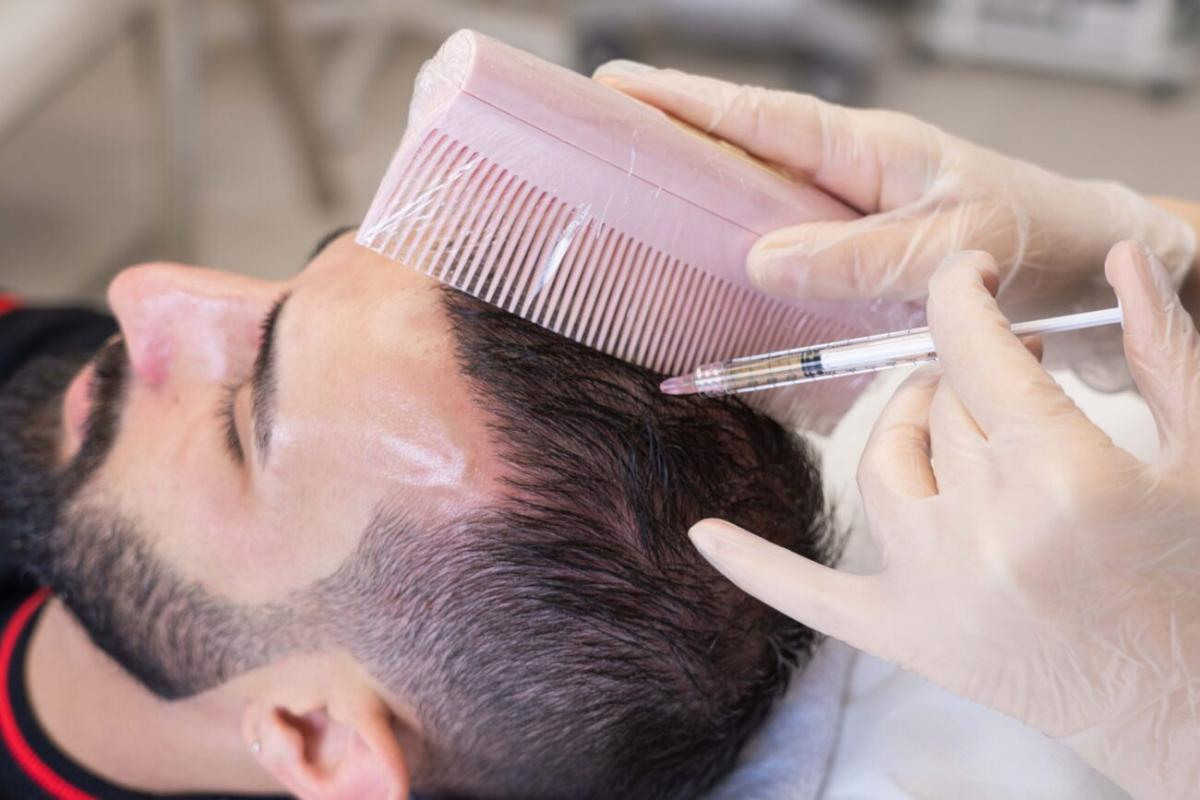
Hair thinning can occur for several reasons, including genetics, stress, nutritional deficiencies, and hormonal changes. PRP hair treatment in Dubai is an option that uses platelet-rich plasma derived from a patient's own blood to support hair growth in suitable individuals. However, the results can vary depending on the underlying cause of hair loss. Hormonal fluctuations may influence hair follicle activity, shedding patterns, and the response to treatment.
Understanding the connection between hormones and PRP therapy helps patients develop realistic expectations and make informed decisions about hair restoration.
Understanding the Connection Between Hormones and Hair Growth
Hair grows through a natural cycle consisting of growth, transition, and resting phases. Hormones help regulate this cycle, and changes in hormone levels can affect how long hair remains in the growth phase.
For example, androgens, including dihydrotestosterone (DHT), can contribute to follicle miniaturization in people who are genetically susceptible to androgenetic alopecia. Over time, affected follicles may produce progressively finer and shorter hairs.
Other hormonal changes, including those associated with pregnancy, menopause, thyroid disorders, and certain endocrine conditions, may trigger increased shedding or changes in hair density.
PRP therapy aims to support the local scalp environment and hair follicle activity. However, it does not directly correct every hormonal imbalance or eliminate the genetic causes of hair loss.
How Hormonal Changes May Influence PRP Hair Treatment Results
Androgen-Related Hair Loss
Androgenetic alopecia is a common cause of progressive hair thinning in both men and women. Genetic sensitivity to DHT can gradually shrink susceptible follicles, particularly around the hairline, temples, and crown in men, and across the central scalp in women.
PRP may help improve hair density and thickness in some patients with androgenetic alopecia. Nevertheless, results depend on factors such as the degree of follicle miniaturization, the stage of hair loss, and the individual's response to treatment.
When androgen-related hair loss continues to progress, PRP may need to be considered alongside other medically appropriate treatments rather than as a standalone solution.
Hormonal Changes After Pregnancy
Pregnancy causes significant changes in estrogen and other hormone levels. After childbirth, estrogen levels fall, and more hairs may enter the resting phase before shedding.
This condition, known as postpartum telogen effluvium, often improves naturally as the hair cycle gradually returns to normal. The recovery period varies between individuals.
PRP is not automatically necessary for postpartum hair shedding. A healthcare professional should first assess the pattern and duration of hair loss, along with factors such as iron deficiency, thyroid dysfunction, and nutritional status, before recommending treatment.
Menopause and Hair Thinning
During menopause, changes in estrogen and androgen balance may contribute to reduced hair density or increased visibility of the scalp in some women. Age-related changes and genetic predisposition can also influence these patterns.
PRP hair treatment may be considered in selected cases, particularly when there is evidence of androgenetic hair loss and viable follicles remain. However, it cannot guarantee the restoration of previous hair density.
A detailed assessment helps distinguish hormonal-pattern hair loss from other conditions that may require a different approach.
Thyroid Hormone Imbalances
Both an underactive thyroid (hypothyroidism) and an overactive thyroid (hyperthyroidism) can contribute to diffuse hair shedding. Hair changes may occur alongside fatigue, weight changes, temperature sensitivity, or other symptoms, although these symptoms are not specific to thyroid disease.
When a thyroid disorder is responsible for hair loss, addressing the underlying condition is an important part of management. PRP treatment alone is unlikely to resolve shedding caused by an untreated thyroid imbalance.
Depending on the patient's symptoms and medical history, a clinician may recommend thyroid testing or further medical evaluation before proceeding.
Can PRP Hair Treatment Work Despite Hormonal Imbalances?
PRP hair treatment may still be suitable for certain patients with hormone-related hair concerns, but suitability depends on the diagnosis and the condition of the hair follicles.
Platelet-rich plasma is prepared by processing a sample of the patient's blood to concentrate platelets. These platelets release growth factors involved in tissue repair and cellular signalling. When injected into selected areas of the scalp, PRP may support hair follicle function in some individuals.
However, evidence for PRP varies across hair-loss conditions, and treatment protocols are not completely standardized. Active hormonal disorders, ongoing excessive shedding, advanced follicle miniaturization, and other underlying health concerns can affect the overall treatment plan.
Patients should understand that PRP is not a replacement for appropriate treatment of hormonal conditions. A qualified healthcare professional can explain the potential benefits, limitations, and alternative options based on the individual's diagnosis.
Why a Proper Assessment Matters Before PRP Treatment
Before starting PRP hair treatment in Dubai, patients should undergo an assessment to identify the likely cause of hair loss. A consultation may include:
-
Medical and family history: Reviewing the duration of hair thinning, family history, medications, recent illnesses, and relevant hormonal changes.
-
Scalp examination: Evaluating hair density, the distribution of thinning, and signs that may suggest a particular hair-loss condition.
-
Relevant investigations: Considering blood tests, such as thyroid function or iron studies, when symptoms and medical history indicate a possible deficiency or hormonal disorder.
-
Individualized treatment planning: Discussing whether PRP is appropriate, how progress may be monitored, and whether other treatments are needed.
These steps help prevent patients from relying on a treatment that may not address the underlying cause of their hair loss.
PRP Hair Treatment at Tajmeels Clinic in Dubai
At tajmeels clinic dubai, patients considering PRP hair treatment in Dubai can discuss their hair concerns, treatment goals, and relevant medical history during a consultation. An individualized approach is important because hormonal changes, hereditary hair loss, scalp conditions, and nutritional factors can produce similar symptoms but may require different management strategies.
A suitable treatment plan should consider whether PRP is appropriate, explain the expected limitations, and identify when further medical evaluation may be necessary. Patients should also receive clear guidance on follow-up appointments and how hair changes will be assessed over time.
Results differ from person to person, and no treatment can guarantee a specific level of hair regrowth. Open communication with a qualified healthcare professional helps patients make informed decisions about their hair restoration options.
How to Support Hair Health Alongside PRP Therapy
Although lifestyle measures cannot correct every hormonal cause of hair loss, they can contribute to overall hair health.
Maintain a balanced diet with adequate protein, iron, and other essential nutrients. Avoid crash dieting, which can trigger increased shedding. Follow medical advice for diagnosed thyroid or other hormonal conditions, and discuss any medication changes with your healthcare professional rather than stopping prescribed treatment independently.
Gentle hair care and avoiding excessive heat or tight hairstyles may also help reduce hair breakage. Patients should remember that breakage is different from hair loss originating at the follicle, so identifying the problem is important.
Conclusion
Hormonal changes can influence hair growth, shedding, and the results of PRP hair treatment. Conditions such as androgenetic alopecia, postpartum shedding, menopause-related hair thinning, and thyroid disorders may require different approaches. PRP can be helpful for selected patients, but its effectiveness depends on the underlying diagnosis and individual circumstances.
A professional assessment before treatment helps identify contributing factors, establish realistic expectations, and determine whether PRP is an appropriate option for improving hair density.
More Information
Tajmeels Clinic Dubai
WhatsApp: +971 56 203 8751
Phone: tel:+971 43739000
Social Media:

Tajmeels clinic is different from other cosmetic resorts because our doctors are specialized in their fields from the best organizations in the world











Comments (0)