

How Professional Cleaning Keeps Commercial Properties Safe, Clean, and Presentable
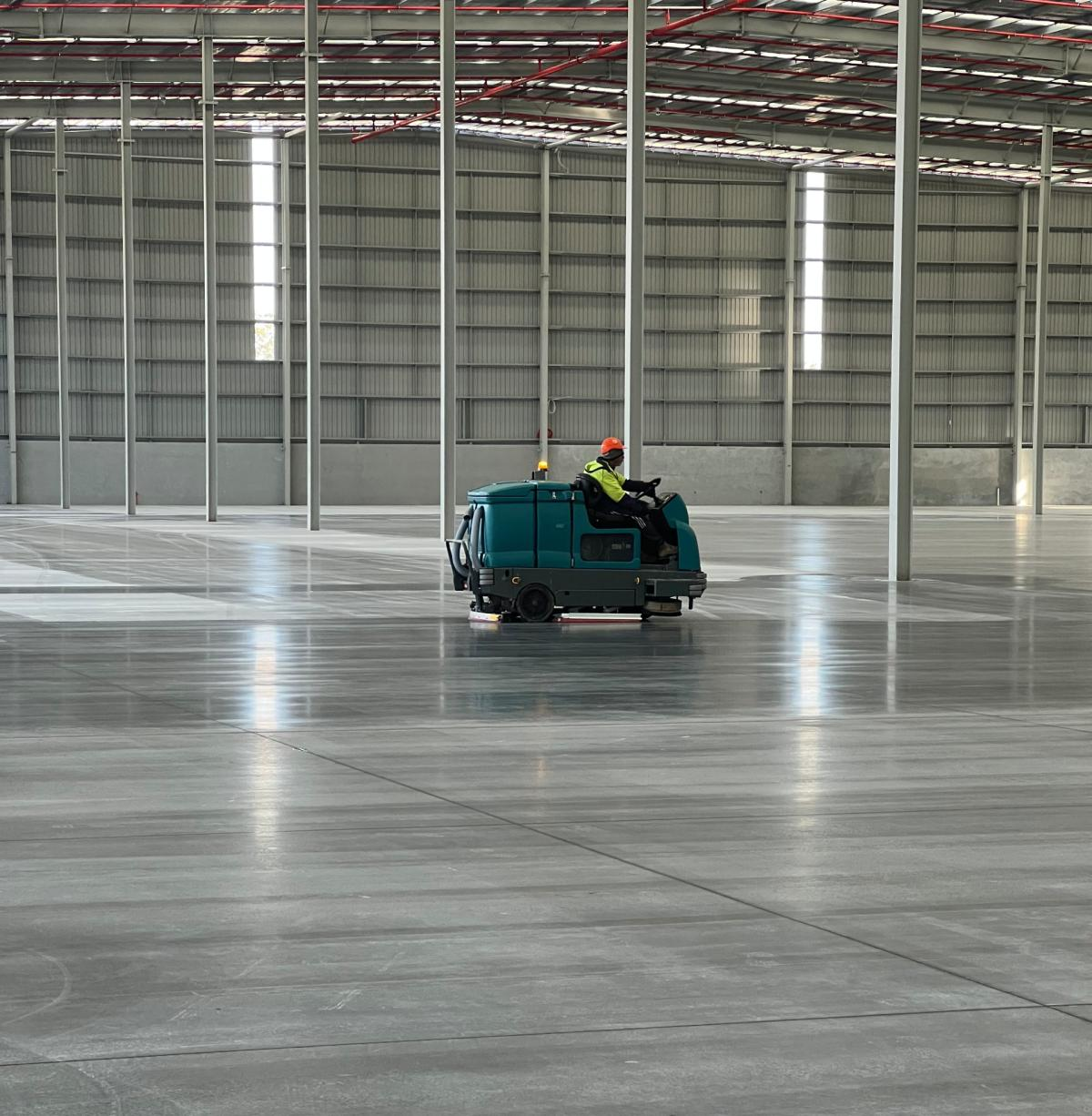
Scrubbing services focus on cleaning floor surfaces by removing dirt, marks, and residue that ordinary sweeping may leave behind.

A clean commercial property creates a positive impression on customers, employees, visitors, and business partners. Whether it is a shopping center, warehouse, office building, parking lot, or industrial facility, regular cleaning helps maintain a welcoming and organized environment. However, large commercial spaces often need more than basic sweeping and occasional washing to stay in good condition.
Businesses can benefit from a planned approach that combines scrubbing services with commercial sweeping. These cleaning methods help remove dirt, dust, spills, and other unwanted materials from different surfaces. When used correctly, they also support safer walkways, improve the appearance of a property, and help prevent everyday dirt from building up over time.
Understanding how these services work and when to use them can help property managers make better decisions about their cleaning routines.
Why Clean Commercial Properties Matter
Commercial properties experience regular foot traffic, vehicle movement, deliveries, and daily business activities. These activities bring dirt, leaves, dust, grease, and other debris into indoor and outdoor areas. Without proper maintenance, these materials can affect the appearance and usability of a property.
A clean environment also helps businesses show that they care about their facilities. Customers may feel more comfortable entering a store with clean floors and tidy entrances. Employees can also benefit from workspaces that receive consistent attention.
Creating a Positive First Impression
The outside of a commercial building is often the first thing visitors notice. Dirty sidewalks, littered parking areas, and stained entrances can make a property look neglected, even when the interior is well maintained.
Regular cleaning helps keep these visible areas presentable. Removing loose debris and addressing surface stains can make entrances, walkways, and parking spaces look more organized.
Supporting Everyday Safety
Dirt, leaves, loose rubbish, and certain spills can create hazards in busy commercial areas. For example, wet leaves may become slippery, while debris in a parking lot can interfere with pedestrian movement.
Routine cleaning helps identify and remove these problems before they cause further inconvenience. Businesses should also use appropriate signs, barriers, and cleaning procedures when floors are wet or work is taking place in active areas.
Understanding Commercial Sweeping
Commercial sweeping is the process of removing loose debris from large outdoor or indoor commercial spaces. Depending on the property, cleaning may be completed with manual equipment or specialized sweeping machines.
This service is particularly useful for areas that collect dust, dirt, leaves, packaging materials, and other loose waste. A regular schedule helps prevent debris from accumulating and spreading into nearby spaces.
Areas That Benefit From Regular Sweeping
Different commercial properties have different cleaning needs. Shopping centers may need frequent attention around entrances and parking spaces, while warehouses may require regular removal of dust and debris from loading areas.
Common areas that benefit from sweeping include:
-
Parking lots, driveways, and access roads.
-
Sidewalks, building entrances, and outdoor walkways.
-
Warehouse floors, loading docks, and delivery zones.
-
Commercial courtyards and shared outdoor spaces.
The ideal cleaning schedule depends on how much activity an area receives. A busy retail property may need more frequent service than a small office building with limited visitors.
How Sweeping Helps Maintain Outdoor Areas
Loose dirt and rubbish can collect in corners, along curbs, around drains, and near building entrances. If these materials remain for long periods, they can make a property look untidy and may contribute to drainage problems.
Regular sweeping removes much of this loose material before it spreads. It can also make it easier for property managers to notice damaged pavement, blocked drains, or other maintenance concerns.
Sweeping does not replace every form of cleaning. Sticky residue, oil stains, and deeply embedded dirt may require additional treatment.
What Scrubbing Services Can Do
Scrubbing services focus on cleaning floor surfaces by removing dirt, marks, and residue that ordinary sweeping may leave behind. Depending on the surface and level of soiling, cleaning teams may use suitable brushes, floor scrubbers, cleaning solutions, and water collection equipment.
These services can be useful in places where cleanliness is important to daily operations, including retail stores, warehouses, commercial kitchens, healthcare facilities, and office buildings. The correct method depends on the floor material, the type of dirt, and the requirements of the property.
Removing Stubborn Dirt From Floors
Sweeping is effective for loose debris, but it cannot always remove marks, spills, or dirt that has settled into a floor's surface. Scrubbing provides a deeper cleaning method for suitable flooring.
For example, busy entryways may develop dark marks from shoes, while warehouse floors may collect residue from equipment and regular movement. Appropriate scrubbing can help improve the floor's appearance and remove buildup that routine sweeping does not address.
Cleaning professionals should select products and equipment that are suitable for the surface. Using an unsuitable chemical or an overly aggressive brush can damage some flooring materials.
Choosing the Right Cleaning Method
Not every floor needs the same treatment. Smooth concrete, sealed tile, vinyl, and other commercial surfaces can respond differently to cleaning products and equipment.
Before work begins, the cleaning team should consider the floor type, the condition of the surface, the amount of dirt, and whether the area needs to remain accessible during business hours.
Testing a cleaning method in a small, less visible area can help identify potential problems. Staff should also follow product directions and allow floors to dry properly before reopening the area to regular foot traffic.
How Sweeping and Scrubbing Work Together
Sweeping and scrubbing address different cleaning needs. Sweeping removes loose debris, while scrubbing helps clean suitable surfaces more thoroughly. Using both methods as part of a planned maintenance routine can provide better results than relying on just one.
Building a Practical Cleaning Routine
The best cleaning plan starts with an assessment of the property. Managers should identify high traffic areas, locations where dirt builds up quickly, and surfaces that require special care.
A practical cleaning routine may include:
-
Daily removal of visible rubbish and loose debris in busy areas.
-
Scheduled sweeping of parking lots, sidewalks, and loading zones.
-
Periodic scrubbing of suitable floors to address dirt and residue.
-
Additional cleaning after spills, deliveries, events, or unusually busy periods.
The frequency of each task should reflect actual conditions rather than follow the same schedule everywhere. Areas exposed to heavy traffic or changing weather may need more attention than spaces used occasionally.
Planning Around Business Operations
Commercial cleaning should cause as little disruption as possible. For many properties, early mornings, evenings, or quieter operating periods are suitable times for larger cleaning tasks.
Property managers should communicate with cleaning teams about access points, pedestrian routes, vehicle movement, and any areas that need special attention. Clear planning helps reduce interruptions and supports safer work practices.
How to Choose a Commercial Cleaning Provider
Selecting a suitable cleaning provider involves more than comparing prices. Businesses should look for a team that understands the property, uses appropriate equipment, and can follow a consistent cleaning schedule.
Questions Worth Asking Before Hiring
Before choosing a provider, consider asking these questions:
-
What cleaning methods and equipment do you use for different surfaces?
-
Can you create a schedule based on our property's traffic and operating hours?
-
How do you manage wet floors, cleaning chemicals, and pedestrian safety?
-
Can you explain the services included in the quote and any additional charges?
A reliable provider should explain the proposed work clearly and avoid promising results that cannot reasonably be guaranteed. It is also useful to discuss how completed work will be checked and how concerns will be handled.
Reviewing Service Quality Over Time
Cleaning requirements can change as a business grows or a property's use changes. Managers should review whether the agreed schedule is keeping important areas clean and whether recurring problems need a different approach.
Regular inspections, clear communication, and written service expectations can help maintain consistent results. If a particular area continues to collect dirt or develop stains, the cleaning plan may need adjustment.
Conclusion
Maintaining a commercial property requires consistent attention to both visible cleanliness and everyday safety. Commercial sweeping helps remove loose debris from parking areas, walkways, loading zones, and other busy spaces. Scrubbing services provide a more thorough approach to cleaning suitable floors and addressing dirt that sweeping alone may leave behind.
By choosing suitable cleaning methods, planning around business operations, and reviewing results regularly, property managers can maintain cleaner and more welcoming facilities. For businesses looking for a practical approach to commercial property maintenance, Sweep & Scrub can be considered when exploring cleaning support tailored to the needs of their facilities.











Comments (0)