

Commercial Roofing Services: Smart Ways to Protect Your Business Roof
Commercial roofing services help property owners maintain their roofs, repair damaged areas, and plan for long term protection.

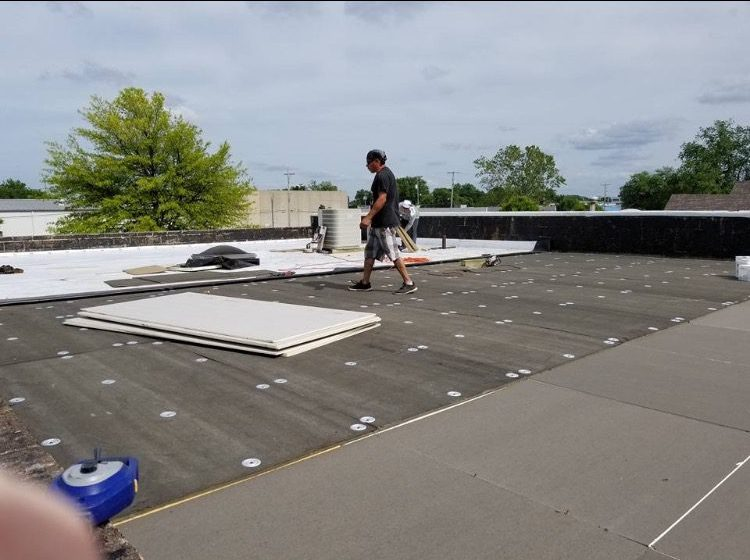
A strong roof is essential for keeping a commercial building safe, dry, and ready for everyday business activities. Whether you manage an office, warehouse, retail store, or industrial property, roofing problems can affect your employees, equipment, inventory, and operating costs. Even a small leak can become a serious concern when water reaches ceilings, walls, or electrical systems.
Commercial roofing services help property owners maintain their roofs, repair damaged areas, and plan for long term protection. Storm damage roofing services are also important when heavy rain, strong winds, or hail affect a building. Understanding common roofing problems and knowing when to seek professional help can make it easier to protect your property and manage repair costs.
Understanding Commercial Roofing Services
Commercial roofing involves the inspection, maintenance, repair, and replacement of roofs on business properties. These roofs often have different designs and requirements from residential roofs. Many commercial buildings use flat or low slope roofing systems, although some have sloped roofs depending on their structure.
The best roofing solution depends on the building's design, the existing materials, local weather conditions, and the roof's current condition. A professional assessment helps property owners understand which services are appropriate for their needs.
Commercial Roof Inspection
Regular roof inspections help identify damage before it becomes more expensive to repair. During an inspection, a roofing professional may examine roofing materials, seams, flashing, drainage systems, roof edges, and areas around vents or other openings.
An inspection may also identify signs of moisture beneath the roof surface. Some problems are difficult to see from inside or outside the building, so professional evaluation can be helpful when a leak continues despite earlier repairs.
Property owners should consider inspections as part of routine maintenance and after severe weather. The appropriate schedule depends on the roof's age, material, condition, and exposure to local weather.
Roof Repair and Leak Detection
Roof leaks can develop because of damaged seams, loose flashing, punctures, aging materials, or drainage problems. Water may travel away from the original entry point before appearing as a ceiling stain, which can make the source difficult to identify.
A proper repair starts with finding the cause of the problem. Depending on the findings, the contractor may seal a damaged seam, replace a section of roofing material, repair flashing, or address a drainage issue.
Fixing the underlying cause is important because covering a visible stain without correcting the leak may allow the damage to continue.
Commercial Roof Replacement
Some roofs reach a point where frequent repairs are no longer a practical long term solution. Widespread deterioration, repeated leaks, and aging materials may indicate that replacement should be considered.
Before recommending a new roof, a contractor should explain the condition of the existing system and discuss available options. Business owners can compare material costs, expected service life, maintenance requirements, energy performance, and installation needs before making a decision.
How Storm Damage Roofing Services Protect Commercial Buildings
Severe weather can damage commercial roofs in several ways. Strong winds may loosen roofing materials, hail can affect certain roof surfaces, and heavy rain can expose weaknesses in seams or drainage systems. Flying branches and other debris can also cause direct damage.
Storm damage roofing services help business owners assess the roof, reduce the risk of further damage, and determine which repairs are needed.
Recognizing Roof Damage After a Storm
Some storm damage is easy to notice, while other problems may remain hidden until water enters the building. A quick visual check from a safe location can help property managers identify warning signs.
Common signs to watch for include:
-
Water stains on ceilings, walls, or other interior surfaces.
-
Loose, missing, cracked, or punctured roofing materials.
-
Damaged gutters, flashing, or roof edges.
-
Debris on the roof or around drainage outlets.
-
Standing water that remains after rainfall.
-
New leaks or damp areas that appear after severe weather.
These signs do not always reveal the full extent of the damage. A qualified roofing professional can examine the affected areas and recommend appropriate next steps.
Why Prompt Storm Damage Repairs Matter
When a storm damages the roof, rainwater may enter the building and affect insulation, ceilings, electrical equipment, and stored goods. Moisture that remains trapped in building materials can also create conditions for mold growth.
Arranging an inspection promptly helps property owners understand the problem and decide how to protect the building. If the roof has an opening, temporary protection may be necessary while permanent repairs are planned.
Avoid climbing onto a damaged roof yourself. Wet surfaces, unstable materials, and hidden structural problems can create serious safety risks. If water is entering near electrical equipment, keep people away from the affected area and contact qualified professionals.
Temporary Protection and Permanent Repairs
Temporary measures can reduce further water entry after a storm, but they do not replace a complete assessment. Depending on the damage, a contractor may recommend a temporary cover, securing loose materials, or another suitable protective measure.
Once conditions are safe, the contractor can determine whether the roof needs localized repairs or more extensive work. A written repair estimate should explain the proposed work, materials, expected timeline, and any limitations that may affect the project.
The Importance of Commercial Roof Maintenance
Roof maintenance helps property owners identify problems early and make better decisions about repairs. Although maintenance cannot prevent every roofing issue, it can reduce avoidable damage and help extend the useful life of a roofing system.
Keep Roof Drains and Gutters Clear
Commercial roofs depend on proper drainage to move rainwater away from the building. Leaves, dirt, packaging materials, and other debris can block drains and gutters, allowing water to collect.
Standing water should not be ignored, especially when it appears repeatedly. It may indicate a blocked drain, an uneven roof surface, or another problem that requires attention.
Arrange suitable cleaning and drainage checks based on the roof design and the surrounding environment. Cleaning should be performed safely by people with the proper training and equipment.
Keep Records of Roofing Work
Maintenance records help business owners track the condition of their roof over time. Keep copies of inspection reports, repair invoices, warranty documents, and photographs of previous damage.
These records can help identify recurring problems and support planning for future maintenance. They may also be useful when discussing storm damage with an insurance provider, although claim decisions depend on the policy and the circumstances of the loss.
Choosing the Right Commercial Roofing Contractor
Selecting a roofing contractor is an important decision because the quality of the work can affect the roof's performance and future maintenance needs. Business owners should look for clear communication, relevant experience, and a detailed explanation of the proposed work.
Before hiring a contractor, consider the following points:
-
Ask about experience with your building type and roofing material.
-
Confirm appropriate insurance, licensing, and required local credentials.
-
Request a written estimate with clear details about labor and materials.
-
Review the warranty terms and ask what they cover.
-
Discuss the project timeline and how the work may affect business activities.
-
Ask for an explanation of the inspection findings and recommended repairs.
A reliable contractor should explain the available options in plain language and help you understand why a particular repair is being recommended. Be cautious of anyone who pressures you to approve expensive work without explaining the damage or providing written details.
Planning Your Roofing Budget
Unexpected roofing repairs can put pressure on a business budget. Setting aside money for inspections and routine maintenance can help property owners prepare for future expenses.
When comparing repair or replacement estimates, consider more than the initial price. Material quality, installation methods, maintenance requirements, and warranty coverage can all affect long term costs.
After a storm, take photographs of visible damage from a safe location and keep records of related expenses. Contact your insurance provider to ask about documentation requirements, coverage limits, and claim deadlines. Do not assume that every type of storm damage is covered, because coverage varies by policy.
Conclusion
A well maintained commercial roof protects your building, supports business operations, and helps reduce the risk of costly water damage. Regular inspections, timely repairs, and effective drainage can help property owners manage roofing concerns before they become more serious.
When severe weather causes damage, a professional inspection can help identify the affected areas and establish a practical repair plan. For businesses seeking guidance with inspections, repairs, replacement, or storm damage roofing services, Wichita Roofing Pros can be contacted to discuss the property's roofing needs and available solutions.












Comments (0)