

6 Yard Dumpster Rental: When Is This Size Right for Your Project?
Learn when a 6 yard dumpster is ideal for small renovations, garage cleanouts, landscaping, and commercial projects, plus tips for choosing the right size.

Choosing the right dumpster size can make a cleanup project easier, more affordable, and less stressful. Rent one that is too small, and you may need an additional container or an unexpected second pickup. Choose one that is too large, and you could pay for capacity you never use. Understanding how much waste your project will generate is the first step toward making a practical decision.
A 6 yard dumpster rental can be a useful option for smaller renovation jobs, routine property maintenance, and localized cleanouts. It offers a manageable amount of disposal space without requiring the footprint of a large construction dumpster. However, the right choice depends on the materials involved, the weight of the debris, and the amount of space available at your property.
Before scheduling a delivery, it helps to understand what this container can hold, which projects suit it best, and what limitations could affect your plans. A little preparation can help you avoid unnecessary expenses and keep your cleanup on schedule.
What Is a 6 Yard Dumpster?
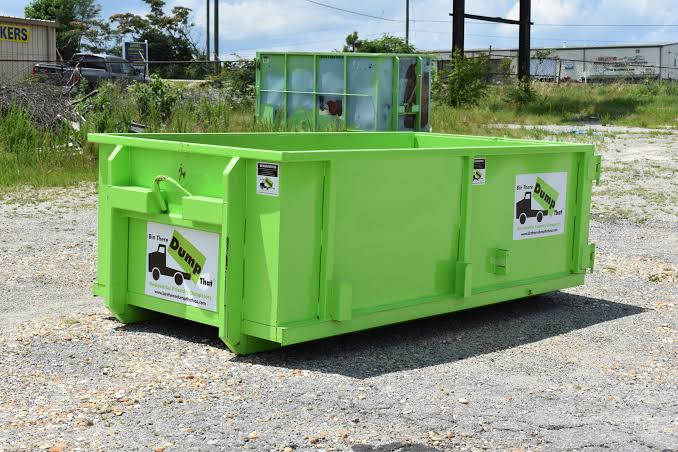
A 6-yard dumpster is a waste container with approximately six cubic yards of capacity. One cubic yard equals 27 cubic feet, giving this dumpster a total volume of about 162 cubic feet.
To put that into perspective, imagine a container measuring roughly 6 feet long, 4 feet wide, and 6 feet high. Actual dimensions vary by provider, so confirm the measurements before arranging delivery.
This size is generally intended for relatively small waste disposal needs. Depending on the rental company's policies and the type of debris, it may accommodate household junk, small amounts of remodeling waste, yard debris, or routine commercial trash.
The important distinction is that volume and weight are not the same thing. Six cubic yards of lightweight cardboard can weigh considerably less than six cubic yards of broken concrete. Every dumpster has a weight allowance, and exceeding it may result in additional charges or require a different container.
When Is a 6 Yard Dumpster the Right Choice?
A smaller dumpster works best when you have a defined cleanup area and can reasonably estimate the amount of waste before work begins.
Small Home Renovation Projects
Bathroom updates, minor flooring replacements, and limited interior improvements can produce manageable amounts of debris. For example, removing an old vanity, damaged drywall, and several cabinets from a small bathroom might generate enough waste to justify a compact dumpster.
However, removing tile, plaster, or other dense materials can quickly increase the load's weight. Check the permitted materials and weight allowance before starting demolition.
Garage and Basement Cleanouts
Garages, basements, and storage rooms often accumulate broken furniture, old boxes, worn shelving, and unwanted household items. A six-yard container can be appropriate when the cleanup involves one relatively small area rather than an entire home's contents.
For instance, a homeowner clearing a single-car garage might fit discarded shelving, damaged storage bins, and several small furniture pieces into this size, depending on how bulky the items are and whether they can be safely disassembled.
Landscaping and Yard Maintenance
Smaller landscaping jobs can generate branches, leaves, weeds, and other green waste. A compact dumpster may be suitable for removing debris after pruning shrubs, cleaning up an overgrown garden, or refreshing a limited section of a yard.
Keep in mind that soil, rocks, and sod are much heavier than leaves and branches. Some rental companies also restrict yard waste or require it to be separated from other materials.
Small Commercial Cleanups
Restaurants, offices, retail stores, and other businesses may need to dispose of packaging, old fixtures, shelving, and accumulated nonhazardous waste during periodic cleanups.
A six-yard dumpster may work well for a one-time cleanup or a small renovation. Businesses generating consistent daily waste may benefit more from a regularly serviced commercial container designed around their ongoing disposal needs.
How to Determine Whether You Need Six Cubic Yards
Choosing the right container becomes easier when you evaluate the project systematically rather than guessing based on the size of the room.
Step 1: List the Materials You Need to Remove
Start by identifying everything you plan to discard. Separate the items into categories such as furniture, drywall, wood, packaging, yard waste, and masonry.
This matters because different materials occupy space differently. A dismantled wooden cabinet may stack relatively efficiently, while an intact sofa can consume a substantial amount of usable capacity.
Also identify items that require special disposal arrangements, including paint, solvents, batteries, and certain electronics.
Step 2: Estimate the Total Volume
Measure the approximate length, width, and height of the debris piles. Multiply these measurements to estimate the volume in cubic feet, then divide the result by 27 to convert it to cubic yards.
For example, a pile measuring 6 feet long, 4 feet wide, and 3 feet high contains approximately 72 cubic feet, or 2.67 cubic yards.
This calculation provides a useful starting point, but irregularly shaped materials and air gaps can make the actual loading process less efficient. Leave room for bulky items and avoid assuming every cubic foot will be usable.
Step 3: Check Weight Limits
Ask the rental provider about the included tonnage, overage charges, and restrictions for your particular waste stream.
If you're removing broken concrete, roofing shingles, soil, or tile, weight may become the limiting factor before the container is full. A smaller, heavier-duty disposal option or a specialized hauling service may be more appropriate.
Step 4: Confirm Placement Requirements
Measure the proposed delivery area and check the access route. The container must fit without blocking garage doors, emergency access, pedestrian walkways, or neighboring driveways.
Remember that the delivery truck needs additional clearance to position the dumpster. If it will sit on a driveway, consider whether the surface can support the container and loaded weight.
Common Mistakes to Avoid
Even a well-sized dumpster can create problems if the rental terms and loading requirements are overlooked.
-
Choosing based on dimensions alone: Capacity does not tell you how much weight the container can safely carry.
-
Underestimating bulky debris: Mattresses, sofas, cabinets, and long branches can consume space quickly, even when they are relatively light.
-
Ignoring prohibited materials: Hazardous waste, certain appliances, tires, and electronic equipment may require separate disposal.
-
Overfilling the container: Debris generally must remain below the designated fill line. Items sticking above the rim can create transportation hazards and may prevent pickup.
-
Forgetting rental deadlines: A container kept longer than the agreed rental period may incur extension fees.
-
Failing to plan access: Poor placement can interfere with deliveries, parking, or everyday property use.
One particularly common problem is mixing heavy demolition debris with lightweight household junk without checking the weight allowance. The container may look only partially full but still exceed its permitted load.
Expert Tips for a Smooth Dumpster Rental
A few practical steps can improve loading efficiency and reduce surprises.
Break down items where practical. Disassemble shelving, flatten cardboard, and separate removable components from bulky furniture when doing so is safe. Compact materials use available space more effectively.
Load strategically. Place heavier materials at the bottom and distribute weight evenly. Add lighter items afterward, keeping the load below the fill line. Follow the rental company's instructions for specific materials.
Separate reusable items. Furniture in good condition, working appliances, and recyclable materials may be donated or handled through appropriate recycling programs instead of going into the dumpster.
Ask for an itemized quote. Confirm the delivery fee, rental period, included weight, disposal charges, extension rates, and potential overage fees. Ask whether taxes or fuel surcharges apply.
Photograph the placement area. Taking a few pictures before delivery can help document the condition of a driveway or paved surface. If surface protection is needed, ask the provider which materials are suitable.
Consider the entire project timeline. Schedule delivery close to the date when waste removal begins, but allow enough time for loading. If contractors are involved, coordinate the rental period with their work schedule to avoid paying for unused days.
Conclusion
A six-yard dumpster is often a practical choice for small renovations, garage cleanouts, landscaping maintenance, and limited commercial cleanup projects. Its compact capacity can provide enough room for a focused job without taking up as much space as a larger container.
The best way to determine whether this size is right for your project is to estimate the debris volume, verify weight restrictions, check accepted materials, and confirm placement requirements. If your waste includes heavy construction debris or bulky items, ask the rental provider to assess whether a different size would be safer and more economical.
Ultimately, choosing the right dumpster comes down to matching the container to the work involved. A realistic estimate and a clear understanding of the rental terms can help keep the cleanup efficient, predictable, and within budget.













Comments (0)