

What Makes a Wedding Film Feel Like a Movie?
Discover how storytelling, cinematic shots, natural audio, and stunning locations transform destination weddings into unforgettable wedding films.

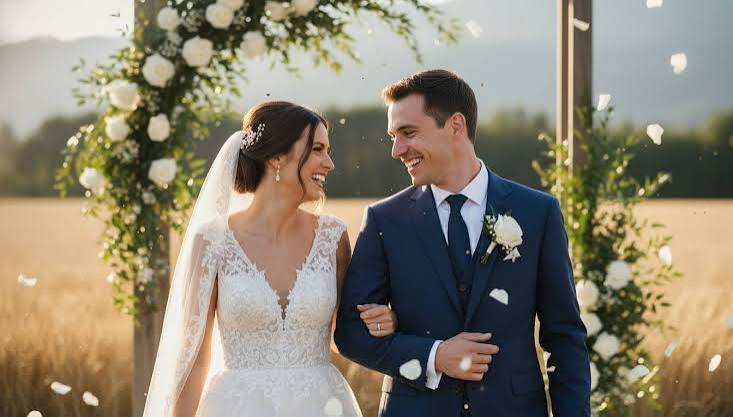
A wedding is more than a single day of celebration. It is a collection of meaningful moments, personal traditions, unexpected emotions, and beautiful places that become part of a couple’s shared history. When these moments take place far from home, the experience often becomes even more memorable.
From exchanging vows beside an ocean to celebrating beneath mountain peaks, destination weddings create stories that deserve to be preserved with care. This is where destination wedding videography USA becomes an important consideration for couples who want to relive their wedding through a cinematic and emotionally engaging film.
Unlike traditional wedding recordings, modern wedding films focus on storytelling. They combine natural audio, thoughtful composition, creative camera movement, and carefully edited footage to capture not only what happened but also how the day felt.
Understanding the elements behind a compelling wedding film can help couples make informed decisions about their videography plans.
The Art of Turning Wedding Moments Into Stories
A memorable wedding film does not simply document a schedule of events. It connects individual moments to create a story that reflects the couple’s relationship, personality, and celebration.
For example, a film might begin with the sound of waves before showing the wedding location. It may then introduce the couple preparing separately, followed by the anticipation of the ceremony, emotional vows, and joyful celebrations with family and friends. These scenes create a natural progression that feels personal rather than staged.
Why Emotional Storytelling Matters
Small moments often become the most meaningful parts of a wedding film. A parent adjusting a wedding dress, a nervous laugh before the ceremony, or a heartfelt message from a close friend can carry more emotional significance than a perfectly posed shot.
Professional videography involves recognizing these moments without unnecessarily interrupting them. Experienced filmmakers pay attention to interactions, expressions, and natural movement so that the final film feels genuine.
The strongest wedding films often balance three elements:
-
Authenticity: Real reactions and interactions rather than constant direction.
-
Visual storytelling: Images that communicate atmosphere, emotion, and relationships.
-
Sound and dialogue: Vows, speeches, laughter, and ambient sounds that bring scenes to life.
Together, these elements help transform wedding footage into a personal record that remains meaningful long after the celebration.
Why the Wedding Location Shapes the Film
The setting influences the visual style, atmosphere, and practical requirements of a wedding film. A ceremony in a historic American city will look and feel different from a celebration in a desert landscape or a coastal resort.
The United States offers a wide range of destinations, each with its own visual character. Couples can choose a location that complements their preferred wedding style while giving their film a distinctive sense of place.
Coastal Weddings and Ocean Views
Coastal destinations provide opportunities for wide landscape shots, natural movement, and beautiful changes in light. Locations in California, Florida, and Hawaii can offer beaches, dramatic cliffs, palm-lined shores, and oceanfront venues.
However, coastal filming also presents practical challenges. Wind can affect audio quality, changing weather may alter lighting conditions, and bright sunlight can create harsh shadows. A well-prepared videography team considers these factors when planning camera positions, microphones, and backup filming options.
Mountain and Countryside Celebrations
Mountain venues and countryside estates create a different atmosphere. Expansive landscapes, rolling hills, forests, and outdoor ceremonies can give wedding films a calm, intimate quality.
In these environments, wide establishing shots help communicate the scale of the setting, while close-up footage captures personal details. Weather changes and limited access to certain areas may require additional planning, especially when filming at remote venues.
Historic Cities and Architectural Venues
American cities such as New York, Charleston, and San Francisco offer distinctive architectural backgrounds. Historic buildings, urban rooftops, gardens, and elegant indoor venues can add depth and character to wedding footage.
Filmmakers must also consider venue restrictions, pedestrian activity, transportation, and local regulations. Planning these details beforehand allows the couple to enjoy their celebration without unnecessary interruptions.
What Couples Should Look for in a Wedding Videographer
Choosing a videographer involves more than comparing prices or selecting the person with the most visually impressive social media posts. Couples should consider whether a filmmaker can tell a complete story, work professionally under pressure, and adapt to the unique conditions of a destination wedding.
Review Complete Wedding Films
Short highlight reels can showcase impressive visuals, but they do not always demonstrate how a videographer handles an entire event. Watching complete films provides a clearer understanding of storytelling ability, editing consistency, audio quality, and coverage of important moments.
Look for examples that include:
-
Ceremony footage with clear, understandable vows.
-
Speeches and meaningful family interactions.
-
Consistent image quality across indoor and outdoor scenes.
-
Natural transitions between different parts of the day.
-
A balance between emotional moments and energetic celebrations.
A portfolio should also demonstrate versatility. A filmmaker who works well in a bright outdoor setting may approach a candlelit reception differently, so examples from varied conditions can be particularly useful.
Understand the Filmmaking Style
Wedding videographers may specialize in documentary, cinematic, editorial, or hybrid approaches.
A documentary style emphasizes real events and natural interactions, usually with minimal direction. Cinematic films often incorporate carefully composed shots, music, creative editing, and a more structured narrative. Editorial approaches may focus on fashion, design, details, and artistic presentation.
No single style is ideal for every couple. The right choice depends on whether the priority is an accurate record of the day, an artistic film, or a combination of both.
Discuss Communication and Professionalism
Destination weddings involve more coordination than many local celebrations. Videographers may need to communicate with planners, photographers, venue managers, and other suppliers before the event.
Clear communication helps establish expectations about coverage, schedules, deliverables, and contingency plans. Couples should also ask how the videographer will handle delays, equipment problems, unexpected weather, and changes to the ceremony timeline.
Planning for a Destination Wedding Film in the United States
A successful wedding film usually begins well before the wedding day. Early planning allows the videography team to understand the location, anticipate potential difficulties, and identify opportunities for meaningful footage.
Create a Realistic Filming Timeline
The wedding schedule should allow enough time for important moments without making the day feel overly structured. Couples can discuss their priorities with the videographer and wedding planner to ensure that essential scenes receive appropriate coverage.
A practical timeline may include:
-
Preparation and detail shots.
-
First look or private couple portraits, if desired.
-
Ceremony and exchange of vows.
-
Family photographs and candid interactions.
-
Reception entrances, speeches, and special dances.
-
Evening celebrations and closing moments.
The schedule should remain flexible enough to accommodate natural events. Some of the most memorable footage comes from moments that cannot be planned in advance.
Consider Lighting and Weather
Natural light can dramatically influence the appearance of a wedding film. Early morning and late afternoon often provide softer light for outdoor portraits, while midday sunlight may require careful positioning or shaded locations.
Indoor receptions introduce different considerations, including mixed lighting, dark environments, and restrictions on additional equipment. Couples should discuss the venue's lighting conditions and any limitations before the event.
Weather contingency planning is equally important. An alternative indoor ceremony location, protective equipment, and a flexible portrait schedule can help preserve the filming plan when conditions change.
Plan for Travel and Local Requirements
Destination weddings may require travel arrangements, accommodation, transportation, and additional time for equipment preparation. Couples should clarify which expenses are included in the videography agreement and which may be charged separately.
It is also worth confirming venue filming permissions, drone restrictions, insurance requirements, and any applicable local regulations. Drone footage can create dramatic establishing shots, but it should only be used when conditions and permissions allow.
For couples exploring international celebrations, the planning considerations may vary considerably. For instance, destination wedding videography in Japan may involve additional attention to local customs, venue permissions, travel logistics, and the cultural significance of particular ceremony traditions.
The Importance of Audio in Wedding Films
Visuals attract attention, but sound often carries the strongest emotional connection. Hearing a couple exchange vows or listening to a loved one describe their relationship can make a wedding film feel immediate and personal.
Professional audio recording may involve discreet microphones, dedicated recording equipment, and backup audio sources. These precautions help capture speech clearly despite background music, wind, or crowd noise.
Ambient sound is also valuable. The sound of footsteps, applause, ocean waves, or guests laughing can establish a sense of place and make transitions between scenes feel natural.
Music selection requires thoughtful consideration as well. The soundtrack should support the emotional tone of the film without overpowering important dialogue. Couples should ask how music licensing is handled, especially if they plan to share the finished film publicly.
Editing, Delivery, and Preserving Wedding Memories
The editing process brings the footage together into a cohesive narrative. A wedding videographer may review hours of recordings, select meaningful moments, organize scenes, adjust color, improve audio, and create a soundtrack that supports the story.
The final deliverables vary by agreement, but they may include a short highlight film, a longer documentary edit, ceremony footage, speeches, or separate social media clips.
Before signing a contract, couples should clarify:
-
The expected length and format of each film.
-
The estimated delivery timeframe.
-
The number of revision rounds included.
-
Whether raw footage is available and at what cost.
-
How long the videographer retains original files.
-
Whether the couple receives personal-use sharing rights.
Preserving the finished film is another important step. Downloading the files to a computer and keeping a separate backup on an external drive or secure cloud service reduces the risk of losing these memories. Couples should avoid relying on a single copy or assuming that a videographer will store their footage indefinitely.
Conclusion
A wedding film becomes truly memorable when it combines meaningful storytelling, thoughtful cinematography, clear audio, and a genuine understanding of the couple's experience. The destination provides the visual setting, but the people, relationships, and emotions give the film its lasting value.
By researching complete portfolios, discussing creative preferences, preparing for location-specific challenges, and clarifying delivery expectations, couples can make more confident decisions about their wedding videography.
Careful planning creates room for authentic moments to unfold naturally, allowing the final film to become more than a record of the celebration. It becomes a personal story that couples can revisit, share with loved ones, and treasure for years to come.













Comments (0)