

Permanent Tooth Replacement Options: What Are the Best Choices?
Explore permanent tooth replacement options, including dental implants, bridges, and dentures, to understand their benefits, costs, procedures, and long-term care.

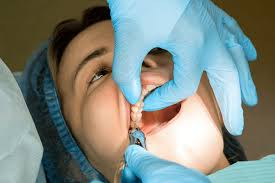
But losing a tooth doesn’t only mean losing part of your smile; you could end up having problems eating because of discomfort when chewing, difficulty talking, and your other teeth may start moving closer together. Luckily, dentistry offers a variety of solutions for your missing tooth or teeth that will ensure your ability to eat and talk normally. The type of permanent tooth replacement will be determined based on a number of factors, such as your overall oral health, the condition of the jawbone, your finances, and the number of teeth being lost.
What Is Permanent Tooth Replacement?
Permanently replacing missing teeth means undergoing dental procedures that involve installing tooth replacements meant for a lasting solution to the problem. These include some treatments that cannot be easily removed from the patient's mouth.
Tooth replacement ensures the restoration of functionality and improvement of the aesthetics of the smile, as well as maintaining the proper spacing between the adjacent teeth. Nevertheless, none of the tooth replacement methods is as good as natural teeth, and all of them require regular care.
Selecting the method of tooth replacement depends on the type of tooth loss, one, a few, or all the teeth in the row.
Dental Implants: An Option for Long-Term Tooth Replacement
Dental implants are among the most common ways to replace the missing teeth. A small titanium or other compatible material post is implanted into the jaw to hold the crown, bridge, or dentures.
How Do Dental Implants Work?
The bonding occurs between the implant and the bone that surrounds it through the process called osseointegration. After the area is sufficiently healed, the artificial tooth is fixed on it.
A single implant is a solution for replacing a missing tooth without altering the neighboring teeth that would be necessary when using a regular bridge. Several implants can also be used in replacing several teeth.
It is clear that the application of implants is intended to offer a permanent solution; however, the process includes surgery and healing. Smoking, diabetes, periodontal disease, and insufficient bone are some of the factors that might affect the candidacy of the patient.
Implant-Supported Teeth for Multiple Missing Teeth
If multiple teeth are missing, then it is possible to have implant-supported teeth as opposed to using traditional removable dentures.
As opposed to having an implant for every single missing tooth, dentists might decide to use implants in specific spots to hold up a bridge or an entire set of teeth. This is dictated by the individual's anatomy and their bite.
This would make chewing more stable than removable dentures. Nonetheless, it would be important to keep the implants clean and have periodic reviews done by professionals.
When considering getting this done, it is important to inquire whether it is a permanent or removable option that is available from a dentist, as well as the duration and costs involved.
Dental Bridges and Other Missing Tooth Replacement Options
Dental bridges offer another approach to missing tooth replacement. A traditional bridge fills the gap with an artificial tooth supported by crowns attached to neighboring teeth.
In most cases, bridges do not need to undergo implant surgery and can be done faster compared to a tooth implant procedure. Nonetheless, preparing the teeth that will support the bridges entails the removal of healthy tooth substance and does not replace the missing tooth root.
Removable partial dentures are another treatment option, especially when there are several missing teeth, and in cases where there is a need for an economical first-time solution. They can be easily removed for cleaning and can shift while you chew or talk. The following are the things your dentist can consider when weighing these options.
What to Expect From Restorative Dental Implants
The restoration procedure in general includes the examination of the patient, planning, implantation, healing time, and the installation of the final restoration. The whole procedure is supposed to take several months depending on the bone healing time and any other procedures that will be needed.
After the procedure of tooth implantation, some swelling, pain, and even bruises are common. To ensure fast and proper recovery, one should follow all the advice provided by the dentist, eat appropriate food, and maintain good oral hygiene.
To guarantee long-term success, it is crucial to have dental check-ups, brush your teeth two times a day, clean between the teeth, and stop smoking. Dental implants do not experience tooth decay, but the tissues around them may get inflamed or infected. Those who are looking for the right clinic where they could get tooth implants can consider Lit Dental in McKinney, Texas. The consultation with the dentist allows discussion of one's oral health, possible treatments, expenses, and the recovery process.
Conclusion
Determining what type of permanent tooth replacement is ideal would depend on your dental health condition, how many teeth you lack, and your own preferences. Dental implants are considered a viable choice for several patients, but bridges and removable dentures may be more suited to other patients’ requirements.
If you are looking to replace a missing tooth, it is wise to have a check-up at the dentist and find out how long each procedure is expected to last, how much maintenance is required, the total cost, and potential dangers.













Comments (0)