

What Happens to Facial Muscles After a Botox Injection in Dubai?
how Botox injection in Dubai temporarily affects facial muscles, softens expression lines, and why expert assessment matters for natural-looking results.

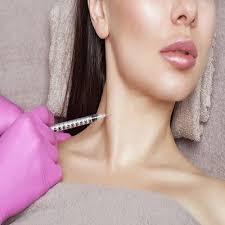
Botox injection in Dubai is a popular cosmetic treatment for reducing the appearance of expression lines and wrinkles. It works by temporarily affecting the communication between specific nerves and facial muscles, allowing targeted muscles to relax. Understanding how this process works can help patients develop realistic expectations and make informed decisions before treatment.
Facial muscles play an important role in everyday expressions, including smiling, frowning, raising the eyebrows, and squinting. Over time, repeated movements can contribute to visible lines on the forehead, between the eyebrows, and around the eyes. Botox treatment targets selected muscles to soften these lines while aiming to preserve natural facial expression.
How Botox Works on Facial Muscles
Botox contains botulinum toxin type A, a purified neurotoxin used in controlled medical doses. It temporarily blocks the release of acetylcholine, a chemical messenger that nerves use to signal muscles to contract.
When this signal is reduced, the targeted muscle becomes less active. As a result, the skin above that muscle may appear smoother, particularly when the lines are caused by repeated facial movements.
Botox does not remove facial muscles or permanently damage them when appropriately administered. Its effects are temporary, and nerve-to-muscle communication gradually recovers over time.
The treatment works best for dynamic wrinkles, which develop through repeated muscle movements. It may be less effective for deep lines that remain visible even when the face is at rest.
What Happens Immediately After Botox Injection?
Botox does not produce its full effect immediately after the injection. The medication needs time to influence the nerve signals reaching the targeted muscles.
Immediately after treatment, patients may notice small injection marks, mild redness, tenderness, or slight swelling. These effects are generally temporary. Most people can resume their usual daily activities, although they should follow their treating clinician’s aftercare instructions.
During the first few days, changes in muscle activity may begin to develop. However, the visible reduction in wrinkles usually becomes more noticeable gradually rather than appearing straight away.
Patients should avoid judging the final outcome too early. The timing and degree of improvement vary depending on the treatment area, individual muscle strength, dose, and personal response.
How Facial Muscles Change During the First Two Weeks
The first two weeks after Botox injection are an important period for observing the treatment response.
During the first few days: The medication begins affecting communication between nerves and the targeted muscles. Visible changes may still be subtle.
Around days four to seven: Some patients notice that forehead lines, frown lines, or crow’s feet become less pronounced as muscle contractions decrease.
Around days ten to fourteen: The effect is often closer to its full cosmetic result. The treating clinician can assess the outcome and determine whether any further review is appropriate.
These timeframes are general estimates, not guarantees. Different treatment areas and individuals may respond at different rates.
Does Botox Stop Facial Expressions?
A common concern is whether Botox makes the face look stiff or expressionless. This outcome is not inevitable. The result depends partly on the muscles treated, the amount administered, injection placement, and the individual's facial anatomy.
The goal of a carefully planned treatment is usually to reduce excessive muscle activity without unnecessarily restricting normal expressions.
For example, treating the muscles responsible for forehead lines may soften horizontal wrinkles while allowing some eyebrow movement. Treatment around the eyes may reduce crow’s feet while preserving a natural-looking smile.
However, excessive weakening of certain muscles can affect facial expression or eyebrow position. This is why treatment should be tailored to the patient's anatomy, concerns, and desired outcome rather than following a standard injection pattern.
Can Botox Affect Muscle Strength Over Time?
Botox temporarily reduces activity in the muscles that receive treatment. With repeated or prolonged weakening, some targeted muscles may experience reduced muscle bulk, known as atrophy. The extent of this effect depends on factors such as treatment frequency, dose, and the muscle involved.
This does not mean that every patient will develop muscle weakness beyond the intended effect. Many cosmetic patients receive treatment without noticeable long-term problems, but repeated treatment should still be assessed individually.
Botox effects gradually wear off as nerve function recovers. Facial movement typically returns over several months, although the duration varies. Patients should discuss appropriate treatment intervals with a qualified medical professional instead of arranging injections more frequently than recommended.
Possible Side Effects and Safety Considerations
Botox is generally well tolerated when administered by a qualified, appropriately trained healthcare professional. Nevertheless, side effects can occur.
Common or recognised effects include:
-
Temporary pain, bruising, redness, or swelling at injection sites.
-
Headache or local discomfort.
-
Temporary eyelid or eyebrow drooping.
-
Unwanted facial asymmetry or changes in expression.
Rarely, botulinum toxin effects can spread beyond the injection area and cause serious symptoms, including difficulty swallowing, speaking, or breathing. Seek urgent medical attention if these symptoms occur.
Botox may not be appropriate for everyone. Patients should disclose their medical history, medications, allergies, pregnancy or breastfeeding status, and any existing neuromuscular conditions during consultation. A clinician can determine whether treatment is suitable and explain its potential benefits and risks.
How Tajmeels Clinic Approaches Botox Treatment in Dubai
At tajmeels clinic dubai, Botox treatment planning should begin with an individual assessment of facial anatomy, muscle movement, skin concerns, and aesthetic goals. Evaluating how the forehead, eyebrows, and muscles around the eyes move helps inform decisions about which areas may benefit from treatment.
A consultation also provides an opportunity to discuss expected results, possible side effects, medical considerations, and the temporary nature of Botox. Patients should be encouraged to ask questions and understand the treatment plan before proceeding.
Personalised planning is important because facial proportions, muscle strength, and wrinkle patterns differ between individuals. The aim is to make appropriate treatment decisions based on clinical assessment rather than promising identical results for every patient.
What to Remember After Botox Injection in Dubai
Botox works by temporarily reducing nerve signals that trigger contraction in selected facial muscles. As these muscles become less active, expression lines may soften over several days, with results commonly becoming clearer within about two weeks.
The most suitable approach depends on individual anatomy, treatment goals, and medical history. Choosing a qualified provider, following aftercare advice, and attending recommended reviews can help patients make informed decisions about Botox injection in Dubai.
More Information
Tajmeels Clinic Dubai
WhatsApp: +971 56 203 8751
Phone: tel:+971 43739000
Social Media:

Tajmeels clinic is different from other cosmetic resorts because our doctors are specialized in their fields from the best organizations in the world










Comments (0)