

Lens Replacement Surgery After 45: What Glaucoma Means for Your Options
Thinking about lens replacement after 45? Learn how glaucoma, eye pressure and the drainage angle affect your options, plus tests, risks and recovery.

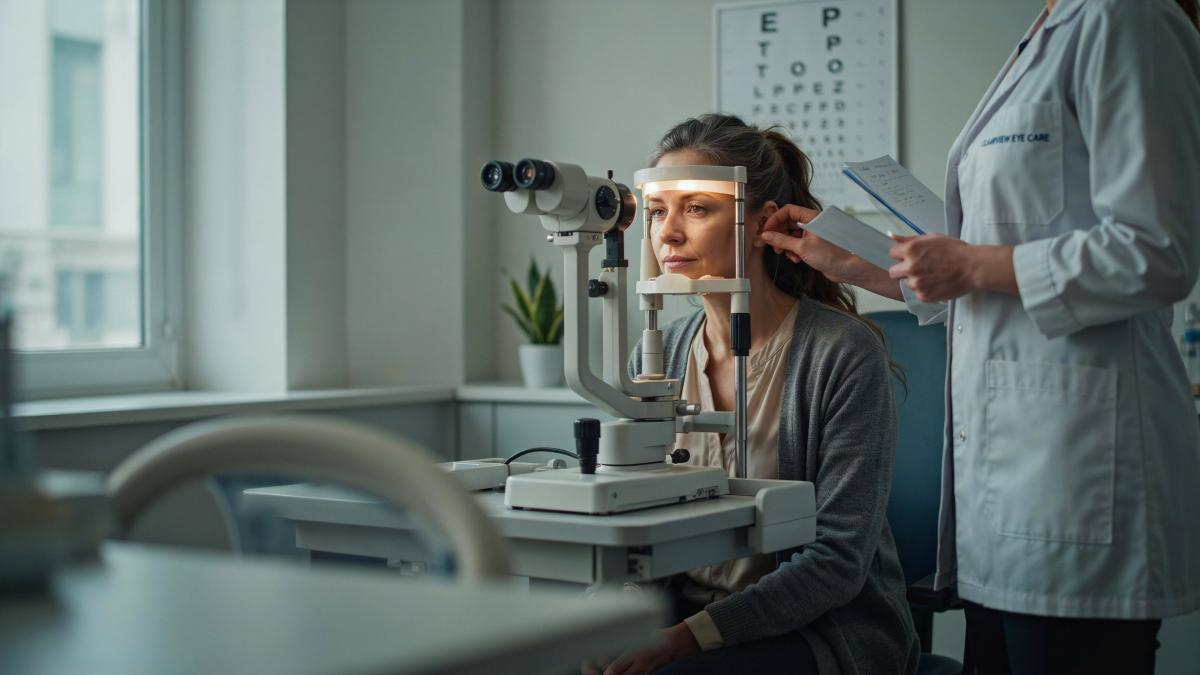
Many people over 45 start to notice small print blurring and reach for reading glasses more often. Some then look into lens replacement surgery, which can cut down the need for glasses. A smaller group also hears the word glaucoma at a routine check-up and wonders how the two fit together.
The short answer is that they connect more than most people expect. The same eye exam that decides whether lens replacement is safe also checks eye pressure and the optic nerve. This article explains why, in plain terms.
Why Vision Changes After 45
The natural lens sits behind the pupil and changes shape to focus on near and far objects. With age, it gets harder and less flexible. This is called presbyopia, and it explains why close work becomes difficult even if you never needed glasses before.
The lens can also cloud over time, which is the start of a cataract. So many adults in their late forties and fifties face two changes at once: weaker focusing and a lens that slowly loses clarity.
What Is Lens Replacement Surgery?
Premium custom lens replacement is also called refractive lens exchange (RLE), clear lens replacement, or clear lens exchange. The surgeon removes the eye’s natural lens and puts in an artificial intraocular lens (IOL). Unlike LASIK, it does not reshape the cornea.
It is usually considered for people over 45 who want less dependence on glasses or contact lenses. It can address short-sightedness, long-sightedness, astigmatism, presbyopia, and early cataract symptoms. It also suits some people who cannot have laser surgery, such as those with very high prescriptions.
The operation takes about 15 minutes. Vision can be blurry afterward, so you should not drive on the day. Follow-up visits are part of the care, and they matter.
What Is Glaucoma?
Glaucoma is a progressive disease that damages the optic nerve, the cable that carries images from the eye to the brain. It is linked to eye pressure. Damage first shows up as blind spots and loss of side vision.
People often call it the silent thief of sight, because early glaucoma rarely hurts or blurs your central vision. You can lose a lot of side vision before you notice. The damage cannot be reversed, and there is no cure. Early treatment can slow it down and protect the sight you still have.
The main goal of treatment is to lower eye pressure and prevent further nerve damage. Doctors may use these approaches:
-
Prescription eye drops to reduce pressure, either by improving drainage or by lowering fluid production.
-
Laser therapy to improve drainage inside the eye.
-
Minimally invasive glaucoma surgery (MIGS), which uses small incisions and tiny drainage implants. It is often done together with cataract surgery.
-
Trabeculectomy, a surgery that creates a new drainage path when drops and laser are not enough.
-
Lifestyle care, such as exercise, a balanced diet, and control of diabetes and high blood pressure.
If you want to understand the condition and its treatment in more depth, read about glaucoma before your appointment.
Where the Two Topics Meet
Lens replacement and glaucoma share one part of the eye: the drainage space between the iris and the cornea. In some eyes, this space is narrow, and a thick natural lens crowds it. That can raise the risk of a type of glaucoma called angle-closure.
When the natural lens is replaced with a thin IOL, the space often widens. For this reason, some surgeons choose lens replacement for people who have narrow angles, and they may also consider it for early cataracts. Studies, including a large trial on early lens removal for angle-closure glaucoma, have looked at this approach.
This does not mean lens replacement treats glaucoma in everyone. It does not undo nerve damage, and many people with glaucoma still need drops or other care afterward. Whether the surgery helps depends on the type of glaucoma, the shape of your eye, and how advanced the disease is.
Who Should Think Twice?
Lens replacement is an elective operation, so the bar for safety is high. Some points to discuss with your doctor:
-
Advanced glaucoma. Your surgeon may choose a different plan, such as combining the lens operation with a pressure-lowering procedure.
-
Unstable eye pressure. Pressure should be well understood and controlled before any elective surgery.
-
Unrealistic goals. Premium lenses reduce glasses use, but some people still need them for certain tasks.
-
Night-vision concerns. Some lens types cause halos or glare around lights, which can bother people who drive at night.
People with glaucoma may also have reduced contrast sensitivity. That is one more reason to talk through lens choices carefully.
Tests You Can Expect Before Surgery
A proper assessment goes beyond a glasses check. Expect measurements of your eye’s size and shape, eye pressure, and the drainage angle. Your doctor will also look at the optic nerve and the front and back of the eye.
In a first consultation at a clinic offering this surgery, you may meet an optometrist and a surgeon. They assess your vision needs and discuss your daily life before recommending a treatment. Tell them about your job, driving habits, hobbies, and how much you read or use screens.
A Simple Example
Picture a 52-year-old who has worn reading glasses for five years and has slightly raised eye pressure at a routine check. Both facts matter. The pressure reading is a reason to look closely at the optic nerve and drainage angle, and the reading glasses point to presbyopia. A good plan covers both problems together, instead of treating them as separate topics.
Now picture someone of the same age with healthy pressure and a normal drainage angle. Their decision rests more on lens type, lifestyle, and expectations. The examples show why one person’s advice does not carry over to another.
Tips for a Safer Decision
-
Get a full eye exam before you shop for a procedure.
-
Tell your doctor about any family history of glaucoma, because it raises your risk.
-
List all your medicines, including eye drops and steroids.
-
Ask what happens if your eye pressure changes after surgery.
-
Plan for follow-up visits, and do not skip them.
Teams such as the one at kleyecentre treat these visits as part of the surgery, since checking your eye health afterward is how problems get caught early.
Frequently Asked Questions
1. Can I have lens replacement surgery if I have glaucoma?
Sometimes. It depends on the type and stage of your glaucoma, your eye pressure, and the shape of your eye. Your surgeon decides after a full exam.
2. Will lens replacement cure glaucoma?
No. Glaucoma has no cure, and nerve damage cannot be reversed. In some eyes with narrow drainage angles, replacing the lens may lower pressure, but you may still need monitoring or treatment.
3. Does glaucoma always cause symptoms?
No. Early glaucoma often causes none, which is why regular eye exams matter. Side vision usually fades slowly and goes unnoticed.
4. What age is best for lens replacement surgery?
It is usually considered for people over 45, when presbyopia and early cataract changes appear. Your eye’s health matters more than your age alone.
5. How long is the recovery?
The operation takes about 15 minutes, and your vision may be blurry at first. Follow your doctor’s instructions on eye drops and attend every follow-up visit.














Comments (0)