

Plasma Injection for Hairs in Dubai: Is It Effective?
Discover whether plasma injection for hairs in Dubai is effective, how PRP may influence hair density, what research suggests, and which factors affect treatment results.
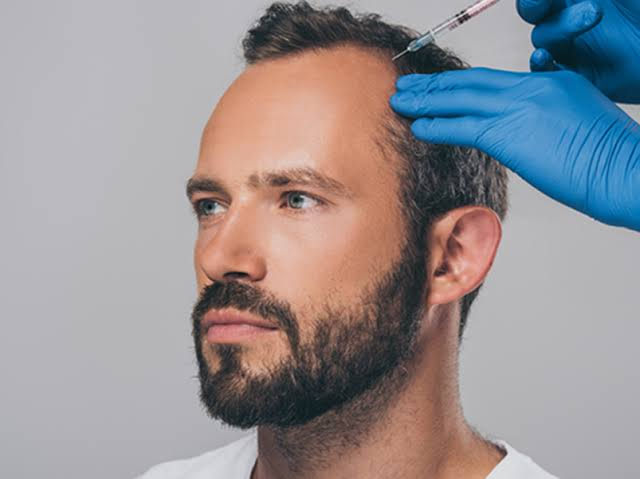
Choosing a hair restoration treatment can be challenging when different options promise fuller hair and reduced shedding. Understanding which treatments have supporting evidence, what results may be possible, and where limitations exist can help you make a more informed decision. Plasma injection for hairs in Dubai (حقن البلازما للشعر في دبي) is one option attracting attention among people looking for nonsurgical approaches to hair thinning.
The procedure commonly involves platelet-rich plasma (PRP), a preparation made from a person's own blood. It contains concentrated platelets that release growth factors involved in normal tissue repair and cellular signaling. Research suggests that PRP may improve hair density in some people with pattern hair loss, but its effectiveness varies, and it is not a guaranteed solution for every type of hair loss.
How Effective Is Plasma Injection for Hairs in Dubai?
The effectiveness of PRP depends largely on the reason for hair loss, the condition of the existing follicles, and the treatment protocol. Some clinical studies have reported improvements in hair density and thickness, particularly in people experiencing androgenetic alopecia, also known as pattern hair loss.
However, research findings are not identical across all studies. Differences in plasma preparation, injection schedules, participant characteristics, and outcome measurements make it difficult to predict exactly how an individual will respond.
For this reason, PRP is best understood as a treatment that may help selected individuals rather than a procedure that guarantees regrowth.
How PRP May Influence Hair Growth
The Role of Platelets
Platelets are blood components involved in clotting and normal tissue repair. They release growth factors and signaling molecules that participate in several biological processes.
In PRP treatment, a blood sample is processed to concentrate platelets before the preparation is injected into selected scalp areas. Researchers are investigating whether these signals can support the activity of hair follicles and influence the local scalp environment.
Although the biological explanation is promising, the presence of growth factors does not automatically mean that every treated follicle will produce thicker hair.
Supporting Existing Hair Follicles
Hair follicles go through repeated growth, transition, and resting phases. Genetic hair loss can gradually shorten the growth phase and cause individual strands to become finer.
PRP may help some people with this process, particularly when viable follicles remain. It cannot reliably restore hair in areas where follicles have been permanently destroyed or reverse every cause of hair loss.
Possible Changes in Hair Density
Some people report that their hair appears fuller after treatment. This may reflect changes in hair thickness, density, or shedding rather than the creation of entirely new follicles.
The degree of improvement can be subtle, and some individuals experience little visible change. Objective assessments are more useful than relying solely on general impressions.
Which Types of Hair Loss May Respond?
Pattern Hair Loss
Pattern hair loss is one of the main conditions investigated in PRP research. It typically develops gradually and may affect the temples, crown, or central scalp in men. In women, it may appear as widening of the part or reduced density across the top of the head.
PRP may be considered for suitable individuals with this condition, although results remain variable. Other evidence-based treatments may also be appropriate depending on the person's medical history and preferences.
Temporary Hair Shedding
Temporary shedding can occur after illness, significant stress, surgery, hormonal changes, or other triggers. Hair growth may improve once the underlying cause has resolved.
PRP is not automatically necessary for this type of shedding. Identifying and addressing the trigger is often the more important first step.
Hair Loss Caused by Scalp Disorders
Inflammatory scalp conditions and certain types of scarring alopecia may require specific medical treatment. In these situations, injections aimed at supporting hair growth may be inappropriate or insufficient.
Persistent itching, redness, scaling, pain, or patchy hair loss should be assessed before selecting a cosmetic hair restoration procedure.
How Long Does It Take to Evaluate Effectiveness?
Hair growth is a gradual biological process, so the outcome cannot usually be judged immediately after an injection session.
Some people may notice changes in shedding or hair thickness over several months. Others may see limited improvement despite completing the proposed treatment schedule.
The timing depends on the underlying condition, follicle health, and treatment protocol. Follow-up photographs taken under similar lighting and from consistent angles can help track changes more accurately.
A treatment plan should include a reasonable point for reassessment. If there is no meaningful improvement, the next step should involve reviewing the diagnosis and considering alternative options rather than automatically continuing treatment.
Factors That Influence PRP Results
The Condition of the Hair Follicles
Follicles that remain capable of producing hair may respond differently from areas with extensive or permanent follicle loss. Earlier assessment can help clarify which areas might be suitable for treatment.
The Underlying Cause of Hair Loss
Genetic thinning, temporary shedding, nutritional deficiencies, and inflammatory scalp conditions do not respond to the same interventions. Treating the cause is essential when a medical problem is contributing to hair loss.
Treatment Preparation and Protocol
PRP preparation systems and injection schedules vary. Differences in platelet concentration, preparation methods, and treatment frequency may influence outcomes, although no single approach has been established as ideal for every patient.
Individual Health and Response
General health, medications, scalp condition, and other individual factors may affect treatment suitability and response. A personalized assessment is therefore more useful than assuming that results reported by another person will apply to you.
Is PRP Better Than Other Hair Loss Treatments?
There is no universally best treatment for every person experiencing hair loss. The appropriate choice depends on the diagnosis, expected benefits, potential side effects, cost, and personal preferences.
Topical minoxidil is an established option for certain forms of pattern hair loss. Prescription medicines may be considered for suitable individuals after reviewing their benefits and risks. Hair transplantation may be an option when the pattern of hair loss and available donor hair make surgery appropriate.
PRP may be considered on its own or alongside other approaches in selected cases. However, combining treatments should be based on a suitable plan rather than the assumption that more procedures always produce better results.
What Are the Limitations of Plasma Injection?
Although PRP is generally considered a minimally invasive procedure, it still involves injections and carries potential risks. Temporary pain, swelling, redness, and bruising may occur, while infection and other complications are less common.
Another limitation is uncertainty about the size and duration of the benefit. Studies use different treatment methods, and long-term results are not fully established for every protocol.
The financial commitment can also be significant when multiple sessions or maintenance treatments are proposed. These factors should be considered alongside the possibility of improvement.
How to Measure Whether Your Treatment Is Working
A structured approach can help you evaluate progress without relying on unrealistic expectations.
Record the areas affected by thinning before treatment and take photographs using consistent lighting, camera distance, and hair positioning. Note changes in shedding, styling, and the appearance of the scalp over time.
Discuss the findings during follow-up assessments. If the outcome is disappointing, ask whether the original diagnosis remains appropriate, whether other contributing factors need investigation, and whether a different treatment would be more suitable.
Making an Informed Decision About PRP
Before proceeding, ask what evidence supports PRP for your particular type of hair loss. Clarify the proposed treatment schedule, likely benefits, possible side effects, total cost, and alternatives.
Be cautious of claims that promise guaranteed regrowth, permanent results, or identical outcomes for everyone. A realistic treatment plan should explain both the potential benefits and the uncertainty.
An appropriate assessment is especially important if hair loss is sudden, patchy, associated with scalp symptoms, or progressing rapidly.
Final Thoughts
Plasma injection for hairs in Dubai may improve hair density or thickness for some people with suitable types of hair loss, but its effectiveness depends on individual circumstances and the treatment approach. Scientific evidence is encouraging in certain settings, although differences between studies mean that results cannot be guaranteed. Understanding the cause of hair loss, comparing available options, and monitoring progress objectively can help you make a well-informed choice. TAJMEELS DUBAI عيادة تجميل can be included in your research into hair restoration options, while an appropriate medical assessment can help establish whether PRP is suitable for your needs and expectations.

Provide health services










Comments (0)