

How Does Mole Location Influence the Removal and Healing Process?
how mole location affects removal methods, skin healing, scarring, and aftercare, with guidance on professional mole assessment at Tajmeels Clinic in Dubai.

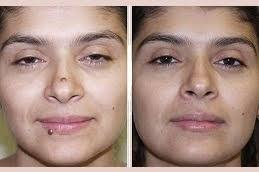
Mole Removal in Dubai is a common dermatological procedure for people who want to address a raised, irritating, or cosmetically concerning mole. However, the location of a mole can significantly influence the removal technique, healing time, aftercare requirements, and the possibility of scarring. A mole on the face may require a different approach from one on the back, scalp, or an area exposed to frequent friction.
Understanding these differences helps patients make informed decisions before undergoing mole removal in Dubai. A professional assessment is essential because the mole's characteristics, depth, skin type, and medical history also influence the treatment plan.
Why Does Mole Location Matter Before Removal?
Not all areas of the body respond to skin procedures in the same way. Skin thickness, blood supply, movement, and exposure to sunlight vary across different body parts. These differences can affect how a wound closes and how the resulting scar develops.
For example, facial skin may heal relatively quickly because of its rich blood supply, but even a small scar can be noticeable. In contrast, areas such as the shoulders, chest, and upper back may be more prone to raised scars in some individuals.
The location also affects the practical aspects of treatment. A mole close to the eye requires particular care, while a mole beneath clothing may experience friction during recovery. A dermatologist considers these factors before recommending a suitable removal method.
How Different Body Areas Affect Mole Removal
Facial Moles
Facial moles can be a cosmetic concern because they are highly visible. Removal around the nose, cheeks, forehead, or chin requires careful consideration of skin texture, facial contours, and the risk of leaving a noticeable mark.
The appropriate technique depends on whether the mole is raised or flat, how deeply it extends into the skin, and whether it needs laboratory examination. Patients should understand that complete removal can sometimes leave a scar, even when the procedure is performed carefully.
Sun protection and following wound-care instructions are particularly important during recovery because ultraviolet exposure can contribute to darkening of the healing skin.
Moles on the Neck and Behind the Ears
Moles in these areas may become irritated by collars, necklaces, hair, or shaving. Repeated friction can cause discomfort and make healing more challenging if the treated site continues to be disturbed.
After removal, patients should avoid rubbing the area and follow the clinician's advice about cleansing, dressing, and returning to shaving or using hair products. The exact aftercare routine depends on the procedure and the condition of the wound.
Moles on the Back, Chest, and Shoulders
The chest, shoulders, and upper back deserve special attention because these areas are more susceptible to raised scars in people who are predisposed to keloids or hypertrophic scarring.
Stretching, exercise, and repeated movement can also place tension on a healing wound. A clinician may consider the individual's scarring history when selecting the removal technique and planning follow-up care.
Anyone who has previously developed thick or raised scars should mention this during the consultation.
Moles on the Scalp
Scalp moles can be affected by brushing, combing, shaving, and hair-care products. Hair may also make it harder to see changes in the mole or monitor the treated area.
Following removal, patients should ask when they can wash their hair normally and whether any temporary adjustments are necessary. Avoiding unnecessary friction and following wound-care instructions can help support healing.
Moles on the Hands, Feet, and Other High-Friction Areas
Moles on the hands, feet, or areas frequently exposed to pressure may need additional consideration. Daily activities, footwear, and repetitive movement can irritate a healing site.
The removal method must account for the mole's location and depth. Moles on the palms and soles, in particular, should be assessed carefully because their appearance and tissue characteristics may require a specific diagnostic approach.
How Mole Location Influences Healing and Scarring
Healing depends on more than the body part alone. The mole's depth, the size of the wound, the removal technique, infection risk, and individual skin characteristics all play important roles.
Some wounds heal within a relatively short period, while deeper procedures may require longer recovery. Redness, tenderness, and mild swelling can occur temporarily, depending on the technique used. Scar maturation and changes in skin colour may continue for several months.
Patients can support recovery by keeping the area clean as directed, avoiding picking at scabs, protecting healing skin from sunlight, and attending recommended follow-up appointments.
Seek medical advice if the wound develops increasing redness, worsening pain, spreading swelling, pus, or fever.
Why a Mole Should Be Examined Before Cosmetic Removal
A mole should not automatically be treated as a cosmetic concern. Changes in size, shape, colour, or appearance, as well as bleeding or persistent itching, may require medical evaluation.
A clinician may recommend dermoscopic examination or a biopsy when appropriate. Depending on the mole's appearance and clinical findings, tissue may need to be sent for laboratory analysis. Some cosmetic techniques may not be appropriate when a mole is suspicious because they can prevent a complete histological assessment.
Patients should avoid attempting to remove moles at home with cutting tools, acids, or unverified products. These methods can cause burns, infection, scarring, and delayed diagnosis.
Mole Removal Assessment at Tajmeels Clinic in Dubai
At tajmeels clinic dubai, patients considering mole removal can discuss their concerns and undergo an assessment to help determine the next appropriate step. The location, size, shape, depth, and appearance of the mole are important considerations, along with the patient's skin characteristics and history of scarring.
The consultation should also address whether the mole needs further diagnostic evaluation before removal, which procedure may be appropriate, and what healing and aftercare could involve. Where a mole appears suspicious, medical assessment and any necessary testing should take priority over cosmetic treatment.
An individualised approach helps patients understand the potential benefits, limitations, and risks of mole removal rather than assuming that one method suits every location.
What to Expect After Mole Removal
Recovery instructions vary depending on the procedure and the treated area. Patients should follow the clinician's guidance on wound cleaning, dressings, bathing, exercise, and sun exposure. Avoiding friction and excessive stretching can be especially important for wounds in areas that move frequently.
The final appearance may take time to settle, and no procedure can guarantee scar-free results. Contact a healthcare professional if healing does not progress as expected or if the area develops concerning symptoms.
Conclusion
Mole location can influence the removal technique, healing process, aftercare, and likelihood of visible scarring. Facial moles may require particular attention to cosmetic outcomes, while moles on the shoulders, chest, back, and high-friction areas may present different healing challenges.
Before choosing mole removal in Dubai, seek a professional assessment to establish whether the mole is suitable for removal and whether further examination is necessary. Understanding the location-specific considerations helps patients set realistic expectations and make informed decisions about their skin health.
More Information
Tajmeels Clinic Dubai
WhatsApp: +971 56 203 8751
Phone: tel:+971 43739000
Social Media:

Tajmeels clinic is different from other cosmetic resorts because our doctors are specialized in their fields from the best organizations in the world












Comments (0)