

How to Choose the Best Commercial Security Company in the UK
Learn how to choose the best commercial security company in the UK. Discover what to check, from SIA licensing and experience to services and pricing.
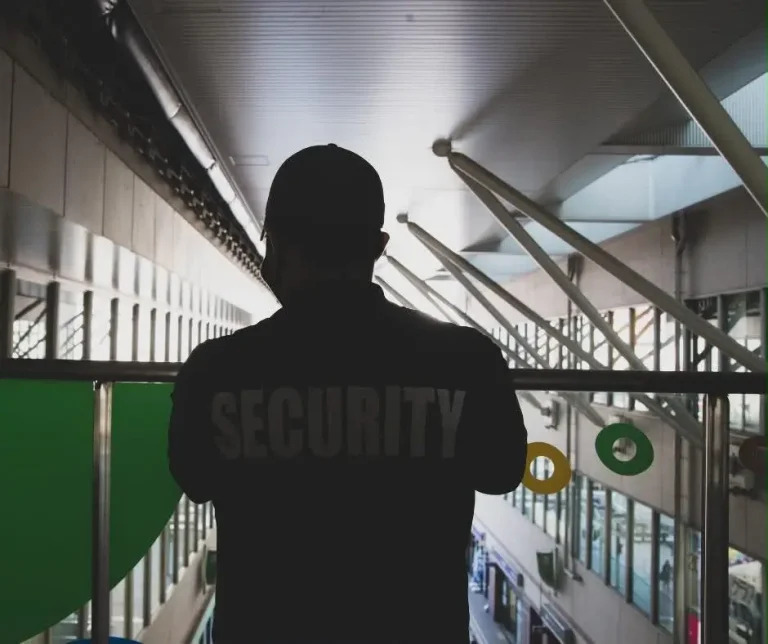
Businesses across the UK need effective security to protect their employees, customers, property, equipment, and confidential information. From offices and retail premises to warehouses, construction sites, and commercial buildings, every business faces different security risks. Choosing the right commercial security company can help reduce these risks and create a safer working environment.
However, with many security providers available, deciding which company is best suited to your needs can be challenging. It is important to consider more than just price. Professional standards, staff training, experience, reliability, and the range of services offered should all influence your decision.
In this guide, we explain how to choose the best commercial security company in the UK and what to look for before signing a security contract.
1. Understand Your Business Security Requirements
Before comparing security companies, identify the risks associated with your premises. Every business has different requirements depending on its location, size, operating hours, and daily activities.
For example, a retail store may need security officers to deter theft and support staff safety, while a warehouse may require perimeter checks, access control, and mobile security patrols. An empty commercial property may need temporary security to discourage trespassing, vandalism, and unauthorised entry.
Consider the following questions:
-
Does your business need security officers on-site throughout the day or night?
-
Are there valuable assets, equipment, or stock that require additional protection?
-
Do you experience problems with unauthorised access or antisocial behaviour?
-
Does your property remain empty outside normal working hours?
-
Would mobile patrols, key holding, or alarm response services be beneficial?
Understanding these requirements will help you choose a security provider that can develop a suitable security plan rather than offering a generic solution.
2. Check SIA Licensing and Company Credentials
One of the most important steps when choosing a commercial security company is checking the relevant credentials of the provider and its personnel.
In the UK, individuals undertaking licensable security activities generally need an appropriate Security Industry Authority (SIA) licence. The licence must match the activity being performed, such as security guarding or door supervision.
You should also ask whether the company is part of the SIA's Approved Contractor Scheme (ACS). This is a voluntary scheme that assesses security providers against defined quality standards. Approval applies to specific activities, so check the official register to confirm the company's current status and relevant scope.
Remember that company approval and individual staff licensing are separate requirements. Verify both where applicable.
These checks can help you assess whether a provider takes professional standards, compliance, and service quality seriously.
3. Look for Relevant Industry Experience
Experience matters when protecting commercial premises. A company familiar with your type of property is more likely to understand the risks, operational demands, and practical challenges involved.
For example, office buildings may require visitor management and access control, whereas industrial facilities may need perimeter security, equipment protection, and out-of-hours monitoring.
When assessing potential providers, ask about:
-
Experience with businesses similar to yours.
-
Training and supervision arrangements for security personnel.
-
Procedures for responding to incidents and emergencies.
-
Experience managing security across multiple locations.
-
Examples of how services are adapted to different client requirements.
A knowledgeable security provider should be able to explain its approach clearly and show how its services can support your business objectives.
4. Compare the Security Services Available
The best commercial security company should offer services that match your risks and operational requirements. Depending on your premises, these may include:
Manned security guarding: Security officers help monitor entrances, deter unauthorised access, observe suspicious activity, and report incidents.
Mobile security patrols: Scheduled or risk-based patrols can help monitor boundaries, entrances, parking areas, and other vulnerable parts of a property.
Temporary security: Short-term security can support construction projects, refurbishments, vacant premises, or periods of increased risk.
Key holding and alarm response: An agreed response arrangement can help businesses manage security alarms outside normal operating hours.
Access control and visitor management: Appropriate procedures and systems help businesses manage who enters restricted areas.
Choosing a provider with suitable service options can make it easier to coordinate your security arrangements as your business grows or its needs change.
Explore All In 1 FM's professional security services to learn more about security solutions for commercial environments.
5. Assess Staff Training and Professionalism
Security officers represent your business whenever they interact with employees, visitors, contractors, or customers. Their professionalism can therefore influence both safety and your organisation's reputation.
Ask potential providers how they recruit, vet, train, and supervise their personnel. Find out how they ensure that staff understand site-specific instructions, communicate effectively, and follow established procedures.
Depending on the assignment, useful skills may include conflict management, incident reporting, emergency procedures, customer service, and access control.
You should also understand how the company handles staff absences and shift changes. Reliable cover arrangements help maintain consistent protection and prevent security gaps.
6. Review Reputation, References, and Reliability
A company's reputation can provide useful insight into the quality of its service. Look for credible customer reviews, relevant case studies, and references from businesses with similar security requirements.
Do not rely exclusively on testimonials published on a provider's own website. Where possible, request references and ask specific questions about punctuality, communication, incident handling, and management support.
It is also worth asking how the company monitors performance. Regular site visits, incident reports, service reviews, and clear escalation procedures can help maintain accountability.
A dependable provider should be willing to explain how it measures service quality and addresses concerns when expectations are not met.
7. Compare Quotes and Understand Contract Terms
Cost is an important consideration, but the cheapest quotation may not offer the best value. Different providers may include different staffing levels, supervision arrangements, equipment, reporting processes, and out-of-hours support.
Request detailed quotations based on the same requirements so you can compare them fairly.
Before signing a contract, check:
-
The number of security officers and required coverage hours.
-
The exact duties and responsibilities included.
-
Rates for additional hours and emergency cover.
-
Contract duration, renewal terms, and cancellation conditions.
-
Insurance arrangements and responsibility for incidents.
-
Reporting procedures and performance review arrangements.
Ask the provider to explain any unclear costs or exclusions. A transparent agreement reduces the likelihood of misunderstandings and helps you budget accurately.
8. Evaluate Communication and Customer Support
Good communication is essential for effective commercial security. You need to know who to contact when an incident occurs, when your requirements change, or when a service issue needs attention.
Ask whether you will have a dedicated account manager, how incidents are escalated, and how quickly management responds to urgent concerns. Find out whether you will receive regular reports and scheduled reviews of your security arrangements.
The provider should also be willing to reassess your requirements when your business changes, such as opening a new site, extending operating hours, or introducing new equipment.
Conclusion
Choosing the best commercial security company in the UK requires careful research and a clear understanding of your business risks. By checking relevant credentials, assessing industry experience, reviewing staff training, comparing services, and examining contract terms, you can make a more informed decision.
The right provider should offer reliable personnel, clear communication, transparent pricing, and a security plan tailored to your premises.
For businesses looking for professional support, All In 1 FM provides security solutions designed to help protect commercial properties and support safer working environments.

All In 1 FM is a professional facilities management company providing dependable services for businesses and commercial properties. We specialise in security, cleaning, maintenance, and property support, helping organisations maintain safe, efficient, and professional environments. Our tailored approach ensures every facility receives the care, attention, and support it needs. visit site: https://allin1fm.com/










Comments (0)