

Skin Pigmentation in Dubai: Best Treatment Options
Explore the best treatments for skin pigmentation in Dubai, including laser procedures, chemical peels, and targeted skincare for dark spots and uneven skin tone
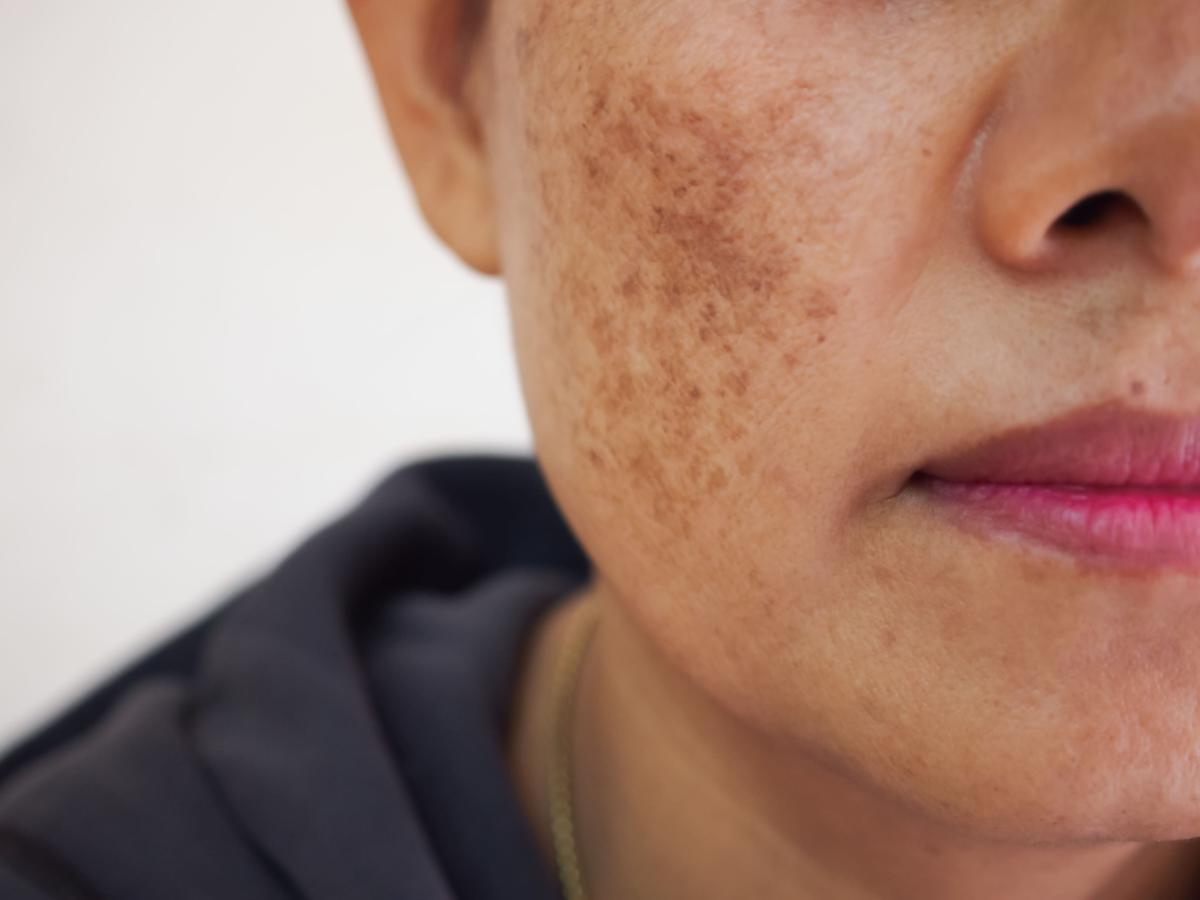
Dark spots, uneven skin tone, and facial discoloration can affect the overall appearance of your complexion. These concerns may develop because of excessive sun exposure, hormonal fluctuations, acne marks, ageing, or inflammation. Finding the right solution requires understanding the type of pigmentation and selecting an approach that addresses its underlying cause. Exploring the available options for Skin Pigmentation in Dubai can help you make informed decisions about improving your complexion. From advanced laser procedures to chemical peels and targeted skincare products, several approaches may help reduce the appearance of unwanted pigmentation and promote a more even-looking skin tone.
Understanding Different Pigmentation Concerns
Before choosing a treatment, it is important to understand why discoloration develops. Hyperpigmentation occurs when the skin produces excess melanin, resulting in darker patches or spots.
Different pigmentation conditions can have similar appearances but may respond differently to treatment.
Melasma
Melasma appears as brown or greyish patches, commonly affecting the cheeks, forehead, nose, and upper lip. Hormonal changes and sunlight exposure are major contributing factors.
Sunspots
Sunspots develop after repeated ultraviolet exposure. They usually appear as flat brown marks on the face, hands, shoulders, and other sun-exposed areas.
Post-Inflammatory Hyperpigmentation
This type of discoloration develops after skin inflammation, including acne breakouts, eczema, or minor injuries. Dark marks may remain even after the original skin concern has healed.
Age Spots
Age spots are associated with accumulated sun exposure over time. They commonly develop on areas that receive frequent sunlight.
Best Treatment Options for Skin Pigmentation in Dubai
Several treatment approaches are available to improve the appearance of pigmentation. The most appropriate option depends on the condition, skin tone, sensitivity, and depth of the excess pigment.
Laser Pigmentation Treatment
Laser procedures use focused light energy to target selected pigment deposits within the skin. Certain laser technologies can help reduce the appearance of sunspots, freckles, and some forms of hyperpigmentation.
Different laser systems work at different wavelengths and depths. The technology and settings must be selected carefully according to the pigmentation concern and individual skin characteristics.
Laser treatment may require multiple sessions, depending on the severity of discoloration. It is important to remember that melasma can sometimes worsen after heat-based procedures, making careful treatment selection essential.
Chemical Peels
Chemical peels are designed to exfoliate the outer layers of the skin using selected acids. They encourage skin renewal and may help improve superficial dark spots, acne marks, and uneven texture.
Common ingredients include glycolic acid, lactic acid, and salicylic acid.
Superficial peels generally involve less downtime than deeper procedures. However, the strength and frequency must be appropriate for the individual's skin type to reduce the risk of irritation and additional pigmentation.
Microneedling
Microneedling uses fine needles to create controlled microscopic channels in the skin. This process stimulates the skin's natural repair response and is commonly used to improve texture and certain types of scarring.
It may be considered as part of a broader skin improvement plan in selected cases. However, it is not a universal treatment for pigmentation, and unsuitable procedures can trigger further discoloration.
Topical Pigmentation Creams
Topical formulations can help reduce the appearance of dark spots by targeting different stages of pigment production or encouraging skin renewal.
Depending on individual needs, ingredients may include azelaic acid, retinoids, niacinamide, vitamin C, and hydroquinone.
Some ingredients require professional guidance because they can cause irritation or other side effects when used incorrectly. Hydroquinone, for example, should only be used under appropriate medical supervision.
Medical-Grade Skincare
A consistent skincare routine can support the results of pigmentation treatments. Products containing antioxidants, gentle exfoliating ingredients, and moisturising components may help maintain a smoother and more even-looking complexion.
The best combination depends on skin sensitivity, existing concerns, and treatment history.
How to Choose the Right Pigmentation Treatment
Choosing an appropriate treatment requires more than simply selecting the most popular procedure. Several factors should be considered before beginning any pigmentation management plan.
Identify the Type of Pigmentation
Melasma, sunspots, and acne-related discoloration require different approaches. Correctly identifying the condition helps avoid unsuitable procedures.
Consider Your Skin Type
Skin tone and sensitivity can influence the likelihood of irritation and post-inflammatory hyperpigmentation. People with darker skin tones may require particularly careful treatment selection.
Understand the Treatment Benefits and Risks
Every procedure has potential benefits, limitations, and side effects. Understanding these factors can help establish realistic expectations.
Consider Recovery Time
Some treatments involve little downtime, while others may cause temporary redness, peeling, swelling, or sensitivity. Recovery requirements should be considered when selecting a procedure.
The Importance of Sun Protection During Pigmentation Treatment
Sun protection is essential for managing pigmentation and maintaining treatment results. Exposure to ultraviolet radiation can stimulate melanin production and make existing dark patches more noticeable.
Use Broad-Spectrum Sunscreen
Apply sunscreen with SPF 30 or higher every morning. Choose a formula that provides protection against UVA and UVB radiation.
Reapply Sunscreen Regularly
When outdoors, reapply approximately every two hours and after swimming or excessive sweating.
Wear Protective Clothing
Hats, sunglasses, and long-sleeved clothing can help reduce direct sunlight exposure.
Consider Tinted Sunscreen
Tinted sunscreen containing iron oxides may provide additional protection against visible light, which can contribute to melasma and other pigmentation concerns.
How Long Do Pigmentation Treatments Take to Show Results?
Treatment results vary according to the pigmentation type, severity, and chosen approach.
Some superficial dark spots may begin to fade within several weeks. More persistent concerns, such as melasma and deeper hyperpigmentation, may require several months of consistent management.
Multiple sessions may be necessary for certain procedures. Maintenance skincare and sun protection also play an important role in preventing discoloration from returning.
Aftercare Tips for Better Pigmentation Management
Following suitable aftercare instructions can help protect the skin and support recovery after treatment.
Keep Your Skin Hydrated
Use a gentle moisturiser to support the skin barrier and minimise dryness.
Avoid Harsh Exfoliation
Do not use strong exfoliating products immediately after procedures unless specifically advised.
Protect Treated Areas from Sunlight
Apply suitable sunscreen and minimise direct sunlight exposure, particularly while the skin is recovering.
Follow a Consistent Routine
Avoid frequently changing skincare products. A simple, consistent routine is often easier to maintain and less likely to cause irritation.
When Should You Seek an Assessment for Pigmentation?
Persistent dark spots, recurring melasma, and widespread discoloration may benefit from a professional assessment. An appropriate evaluation can help determine whether the pigmentation is cosmetic or related to another skin condition.
Any new, irregular, rapidly changing, bleeding, or unusual pigmented spot should be medically evaluated before cosmetic treatment is considered.
Conclusion
Choosing the right approach to pigmentation starts with understanding its underlying cause and recognising that different skin concerns require different solutions. Laser procedures, chemical peels, microneedling, targeted topical products, and consistent sun protection may all have a role in improving uneven skin tone. However, treatment selection should always consider skin type, pigmentation depth, and individual sensitivity. With appropriate care and realistic expectations, it is possible to achieve a healthier-looking and more balanced complexion. TAJMEELS CLINIC provides information about available skin pigmentation solutions for individuals interested in improving the appearance of dark spots and uneven skin tone.
For More Details, Contact Us Through:
WhatsApp: +971 56 203 8751
Phone: +971 4 373 9000
Social Media:

Provide health services












Comments (0)