

How Will the Wellness Supplements Market Grow from USD 329.17 Billion in 2026 to USD 536.64 Billion by 2034?
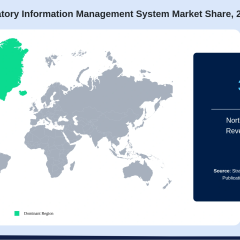
The global wellness supplements market size was valued at USD 309.66 billion in 2025 and is projected to grow from USD 329.17 billion in 2026 to USD 536.64 billion by 2034, registering a CAGR of 6.3% during the forecast period from 2026 to 2034. North America dominated the wellness supplements market with a market share of 36.8% in 2025.

The global wellness supplements market size was valued at USD 309.66 billion in 2025 and is projected to grow from USD 329.17 billion in 2026 to USD 536.64 billion by 2034, registering a CAGR of 6.3% during the forecast period from 2026 to 2034. North America dominated the wellness supplements market with a market share of 36.8% in 2025.
Wellness supplements are nutritional products that support overall health and well-being. They generally contain vitamins, minerals, botanicals, amino acids, and other natural ingredients that provide different health benefits. These products are commonly used to address nutritional deficiencies and support specific health needs. Growing consumer awareness of preventive healthcare, increasing interest in healthy lifestyles, and rising demand for personalized nutrition are supporting the growth of the global wellness supplements market.
Market Drivers
Increased Demand for a Healthy Lifestyle
The growing interest in healthy lifestyles is a major factor driving the wellness supplements market. Consumers are becoming more aware of the importance of nutrition and preventive healthcare. As a result, many people are including wellness supplements in their daily routines to support their overall health.
The COVID-19 pandemic increased consumer interest in immune health and preventive healthcare. Supplements containing vitamin C, vitamin D, zinc, and probiotics gained popularity because of their association with immune support. According to the Council for Responsible Nutrition (CRN), 43% of supplement consumers in the United States purchased immune health supplements in 2020.
The growing elderly population is also supporting market demand. Older consumers are increasingly adopting healthy lifestyle practices and using nutritional supplements to support their well-being. According to the World Health Organization (WHO), the global population aged 60 and above is expected to reach 2 billion by 2050.
Market Restraint
High Cost of Wellness Supplements
The high cost of wellness supplements is a major factor restricting market growth. Some supplements are expensive, making them difficult to afford for consumers with limited disposable incomes. This creates an affordability gap, particularly in developing countries and economically weaker regions.
Consumers who cannot afford these products may avoid purchasing them regularly, limiting market penetration. According to the World Bank, approximately 685 million people, representing 8.5% of the global population, were expected to live in extreme poverty in 2022. Such economic challenges can affect consumer spending on wellness and nutritional products.
Market Opportunity
Advancement in Personalized Nutrition
The growing development of personalized nutrition is creating new opportunities for the wellness supplements market. Consumers are increasingly looking for nutritional products that match their individual health requirements, dietary preferences, and lifestyle needs.
Genetic testing is becoming an important tool in personalized nutrition. Companies such as DNAfit and Nutrigenomix provide genetic testing services that help identify genetic variations affecting nutritional metabolism, absorption, and dietary requirements. Based on these results, companies can provide personalized supplement recommendations.
Artificial intelligence is also supporting this trend. AI-powered platforms analyze large amounts of information to provide customized nutrition recommendations based on individual preferences, dietary restrictions, and health goals. For example, Zoe uses artificial intelligence to predict individual blood sugar responses to different foods, helping consumers make informed dietary decisions.
Market Segmentation
By Products
-
Dietary Supplements
-
Vitamins
-
Minerals
-
Protein
-
Herbal
Dietary supplements dominate the product segment because of their wide range of health benefits and extensive consumer use. These products contain vitamins, minerals, amino acids, enzymes, and botanical extracts that help supplement daily nutritional intake.
They are available in different forms, including capsules, tablets, granules, and liquids, making them convenient for consumers. Vitamins are also an important category because they support metabolism, immune function, and other essential body processes. Common vitamin supplements include vitamin C, vitamin D, B-complex vitamins, and vitamin E.
By Functional Food and Beverages
-
Omega Fatty Acids Fortified Food
-
Probiotic Fortified Food
-
Branded Iodinated Salt
-
Branded Wheat Flour
-
Energy Drinks
-
Sports Drinks
Omega fatty acids fortified food holds the largest share and is expected to record the highest CAGR during the forecast period. Growing awareness of the health benefits of omega-3 fatty acids is increasing demand for fortified foods.
Omega fatty acids support cardiovascular health, cognitive function, and inflammation management. Consumers are increasingly choosing fortified milk, eggs, and spreads to include these nutrients in their daily diets.
Probiotic-fortified foods are also gaining popularity as consumers become more aware of digestive health. Products such as yogurt and fermented foods contain probiotics that support digestion and gut health.
By Application
-
Home Care
-
Hospital
-
Chemical
Home care dominates the application segment and is expected to grow significantly during the forecast period. This segment includes wellness supplements purchased for personal consumption at home. Consumers commonly purchase these products through pharmacies, retail stores, and online platforms to support their nutritional requirements and overall health.
The hospital segment includes supplements used in hospitals, clinics, and other healthcare facilities. Healthcare professionals may recommend these products as part of patient treatment plans or recovery programs.
Regional Insights
North America
North America dominated the wellness supplements market with a market share of 36.8% in 2025. The region is expected to grow at a CAGR of 6.15% during the forecast period. Its growth is supported by an aging population, increasing health awareness, and strong consumer purchasing power.
The United States plays an important role in the regional market because several major wellness supplement companies operate in the country. Manufacturers are focusing on innovative technologies and personalized products to meet changing consumer requirements.
Online retailers, company websites, supermarkets, hypermarkets, and grocery stores are important distribution channels. Supermarkets, hypermarkets, and grocery stores account for more than half of North America's regional sales of over-the-counter dietary supplements.
Asia-Pacific
Asia-Pacific holds the second-largest position in the global market and is expected to grow at a CAGR of 6.28%. Rising disposable incomes and increasing awareness of healthy lifestyles are supporting regional growth.
Countries such as India, China, Indonesia, and Malaysia are experiencing growing interest in nutritional products. China holds the largest revenue share in the region, while India has a large consumer base purchasing nutritional supplements. Increasing awareness of immunity-supporting products, expanding retail markets, and government support for investment are also contributing to market development.
Europe
Europe is expected to grow at a CAGR of 5.94% during the forecast period. Increasing awareness of health and fitness, along with growing demand for multivitamins and immune-supporting supplements, is supporting the regional market.
According to Eurostat, 53% of Europe's population was overweight in 2019, while 36% was obese. The increasing prevalence of obesity and related health conditions, including diabetes, hypertension, and cardiovascular diseases, has encouraged consumers to pay greater attention to nutrition and preventive healthcare.
Middle East and Africa
The Middle East and Africa wellness supplements market is experiencing gradual growth. Increasing healthcare spending and improving awareness of healthy lifestyles are supporting demand for consumer healthcare products. Consumers are becoming more interested in maintaining proper nutrition and improving their overall well-being.
Key Players Analysis
Key players in the wellness supplements market include:
-
Nestle S.A.
-
Abbott Laboratories
-
Herbalife Ltd.
-
Amway
-
Otsuka Holdings Co. Ltd.
-
Archer Daniels Midland Company
-
NBTY Inc.
-
Glanbia plc
-
GNC Holdings Inc.
-
Nu Skin Enterprises, Inc.
-
Grupo Omnilife
-
Forever Living
-
Pola Inc.
-
Shaklee Corporation
-
Usana Health Sciences Inc.
These companies compete through product innovation, research, brand development, and distribution network expansion. Manufacturers are increasingly focusing on personalized nutrition, plant-based ingredients, immune health, digestive wellness, and products designed to support healthy aging.
For detailed insights, visit:
https://straitsresearch.com/report/wellness-supplements-market
About Us
Straits Research is a global market intelligence and consulting organization providing industry research reports, business intelligence, and strategic insights across multiple industries. Its research helps organizations understand market trends, identify growth opportunities, evaluate competitive landscapes, and make informed business decisions.
Contact Us
Email: [email protected]
U.S.: +1 646 905 0080
U.K.: +44 203 695 0070
Digital Marketer










Comments (0)