

The Ultimate City Break Checklist for Parents with a Compact Pushchair

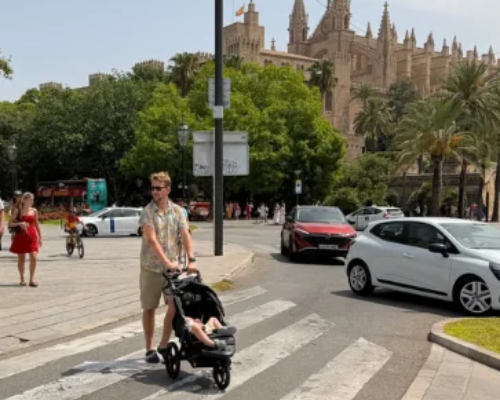
Picture this: you’re at the bottom of a metro staircase with a baby on your hip, a bag on your shoulder and a pushchair that refuses to fold. City breaks with little ones are wonderful, but they go much more smoothly with a bit of forward planning. This checklist covers what to pack, how to handle cobbles and public transport, and what to leave at home.
Why a Compact Pushchair Suits City Breaks
Cities are full of narrow pavements, busy shops, packed cafés and tight tram carriages. A compact pushchair slips through all of them without fuss. It folds small enough for a taxi boot or a hotel wardrobe, and it is light enough to carry up a few steps when there’s no ramp in sight.
Cities are full of narrow pavements, busy shops, packed cafés and tight tram carriages. A compact pushchair slips through all of them without fuss. Take the Nipper Compact Pushchair at 8.9 kg. It has a one-hand, self-standing fold, a built-in shoulder strap for stairs and stations, and 14-inch puncture-proof wheels that cope with cobbles. It also packs into a cabin-size backpack, so it works for flights as well as city streets.
What to Pack
The trick is to bring what you will genuinely use each day and nothing more. Think “day bag”, not “house move”.
Pushchair Essentials
- Rain cover and sun shade: City weather changes quickly, and both take up almost no space.
- Clip-on fan or light blanket: Pick whichever suits the season.
- Pushchair hooks or a small organiser: Hanging heavy bags from the handles can tip a lightweight frame, so keep the weight low and balanced.
- Travel bag: If you’re flying, a padded bag protects the frame from baggage-handling knocks.
Baby and Toddler Basics
Pack enough nappies, wipes and a spare outfit for one full day, then top up locally. Nearly every city has a pharmacy or supermarket within a short walk. A compact changing mat, a few nappy sacks and a lightweight muslin or two will cover most situations.
Snacks and Comfort Items
Tired, hungry children turn sightseeing into a struggle. Keep a small stash of mess-free snacks, a refillable water bottle and one familiar comfort toy within easy reach. A favourite blanket or soft toy can calm a wobbly moment faster than any gadget.
Getting Around: Cobbles, Kerbs and Crowds
Older European cities are beautiful, but their streets weren’t designed with small wheels in mind.
Handling Cobblestones
Slow down and tilt the front wheels up slightly when the surface gets rough. This reduces vibration and stops the wheels catching in gaps between stones. If your pushchair has swivel wheels, check whether they can be locked straight, which makes bumpy stretches much more stable. When the ground gets really uneven, it is often kinder to your baby to carry them for a short section than to rattle them over every stone.
Using Public Transport
Check ahead whether your destination’s buses, trams and metro lines have step-free access. Many cities offer low-floor vehicles with dedicated buggy spaces, but some older metro stations rely heavily on stairs. Journey-planner apps often include accessibility filters, which can save you a nasty surprise.
During busy periods, it helps to fold the pushchair before boarding. A one-hand fold is a big advantage here, because you can collapse it while keeping hold of your little one.
Lifts, Stairs and Escalators
Always choose a lift when there’s one available, and avoid escalators with a pushchair, as they’re a genuine safety risk. If stairs are the only option, a light frame is easy to carry while a partner, friend or kind stranger helps with bags. If you’re still deciding which model suits your travel style, this single buggy comparison guide sets out the differences side by side.
What to Leave at Home
Overpacking is the most common city break mistake. Here’s what you can safely skip:
- Bulky toys: One or two small favourites are plenty. Hotels and cafés often provide crayons or colouring sheets.
- Too many outfits: Most accommodations have laundry options nearby, and babies rarely need a fresh outfit for every hour.
- Heavy extras: Large cup holders, oversized organisers and thick footmuffs add weight and take up room you’ll want for shopping or souvenirs.
- Full-size baby gear: A compact pushchair works best when it isn’t weighed down by accessories that belong with a full-size model.
Final Thoughts
A successful city break with a baby or toddler comes down to travelling light, staying flexible and choosing equipment that works with the city rather than against it. With a reliable compact pushchair, a sensible packing list and a little research into routes and transport, you can spend less time wrestling with logistics and more time enjoying your surroundings.

Outnabout is your trusted partner for family adventures, offering top-quality double prams and double buggies designed to make every outing a breeze. Whether you're navigating city streets or exploring the great outdoors, our products provide comfort, safety, and style for both your little ones. With Outnabout, you can enjoy hassle-free travel with a double pram or buggy that suits your lifestyle. Explore our range today and discover why parents everywhere rely on us to keep their journeys smooth and enjoyable. Outnabout, where family adventures begin!









Comments (0)