

Giving Taoist Talismans as Meaningful Gifts Without Overcomplicating the Choice
Choose the piece that feels most appropriate rather than the one with the most impressive marketing description. A modest bracelet or pendant can be meaningful when selected with genuine attention.

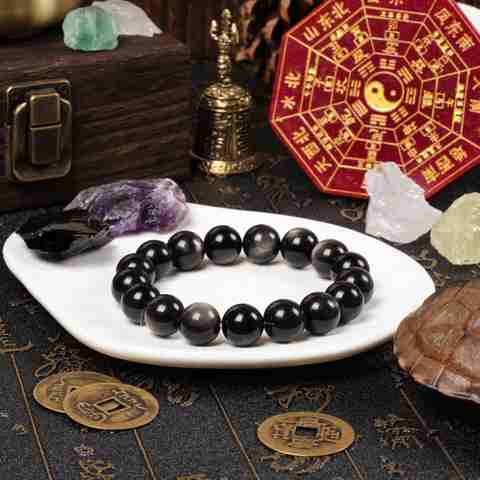
Choosing a symbolic jewelry gift can feel more personal than selecting an ordinary accessory. A bracelet or pendant may communicate appreciation, mark an important occasion, or reflect an interest the recipient has shared. However, symbolism can also make gift shopping more complicated when you are uncertain about the person's preferences.
A useful approach is to begin with the recipient rather than the product description. Consider what they already wear, how they spend their time, and whether they enjoy jewelry with cultural or personal meaning. These observations can help you choose something thoughtful without relying on dramatic claims.
Start with the recipient's usual style
Look at the accessories the person already wears. Someone who regularly chooses small necklaces may appreciate a modest pendant. A person who prefers watches and bracelets might find a bead bracelet more familiar.
Pay attention to colour and materials. Some people favour silver-toned metal, while others enjoy darker finishes or natural textures. Matching these preferences makes the gift easier to incorporate into everyday outfits.
If you are uncertain, choose a relatively simple design. A piece that works with several clothing styles may be more useful than a highly decorative accessory selected without knowing the recipient's taste.
Consider whether symbolic jewelry suits the person
Not everyone has the same relationship with symbols. Some people enjoy learning about cultural traditions and historical designs. Others prefer accessories chosen purely for appearance.
Before buying, think about whether the recipient has expressed interest in meaningful jewelry. A symbol connected to their interests can feel thoughtful. An unfamiliar religious motif may be less appropriate when you do not know how they view it.
It is also worth considering whether the person prefers subtle or prominent designs. A small charm may be enough to introduce a personal element without changing their usual style.
Learn about the design before presenting it
Symbolic jewelry can draw inspiration from many traditions. The same visual motif may be interpreted differently depending on its cultural or historical setting. Product descriptions do not always explain these distinctions.
When considering Taoist Talismans, it can also be useful to explore the background of materials such as black obsidian. Understanding the difference between a material's geological history and a design's cultural associations helps create a more informed gift.
Traditional Daoist talismans may have specific religious and ritual functions. Modern accessories inspired by their visual forms are not necessarily equivalent. Avoid presenting decorative jewelry as an authentic religious object without reliable supporting information.
Match the gift to the occasion
Different occasions create different expectations. A birthday gift may simply reflect the recipient's favourite colours or accessories. A graduation gift might mark the transition into a new stage of life.
For an anniversary, the connection between the gift and a shared experience may be more important. A bracelet selected during a memorable journey can become a reminder of that occasion.
There is no need to attach an elaborate interpretation to every gift. A clear reason for choosing the piece is often enough. The recipient may appreciate knowing that you considered their preferences carefully.
Compare bracelets and pendants practically
Bracelets and pendants offer different wearing experiences. A bracelet remains visible to the wearer but may contact desks and other surfaces throughout the day. A pendant generally stays away from the hands but can interfere with certain clothing or activities.
Think about the recipient's daily routine. Someone who types frequently may prefer smaller beads or a necklace. A person who rarely wears necklaces may appreciate a simple bracelet instead.
Consider closures as well. Adjustable designs can offer flexibility when exact measurements are unavailable. However, they still need to be appropriate for the recipient's preferred fit.
Check the measurements carefully
Jewelry sizing is particularly important when buying a gift. A bracelet that is too tight may be uncomfortable, while a loose one could slide excessively. Necklace length determines where the pendant rests against clothing.
Use measurements from an existing accessory when possible. If that is not practical, review the seller's size guide and look for clear adjustment information.
Bead diameter also affects the overall impression. Large beads may create a bold design but feel bulky beneath sleeves. Smaller beads usually offer a quieter appearance.
Do not rely entirely on styled photographs. Compare the listed dimensions with familiar objects to understand the scale.
Choose materials that fit everyday use
A gift should be suitable for the activities the recipient normally enjoys. Someone with an active routine may need jewelry that is easy to remove and store. A person who prefers occasional accessories may have different priorities.
Black obsidian offers a distinctive polished appearance, but its glassy structure means it can chip under impact. Metal, wood, and other decorative materials have their own care requirements.
Consider the complete construction. A pendant may include a metal fitting and textile cord. A bracelet may contain elastic, carved beads, and additional decorative components.
The materials should suit both the recipient's preferences and the care they are likely to provide.
Avoid making promises about spiritual effects
Symbolic jewelry is sometimes marketed with claims involving luck, protection, wealth, or emotional change. These descriptions may reflect cultural beliefs or modern spiritual interpretations. They should not be presented as guaranteed results.
When giving jewelry, focus on why you selected it. A bracelet might represent encouragement during a new project. A pendant could remind the recipient of an important achievement.
This explanation allows the gift to carry personal meaning without claiming measurable supernatural effects.
The recipient can decide what significance the piece holds for them. They may appreciate the symbolism, the appearance, or simply the gesture behind the gift.
Pay attention to construction quality
A thoughtful design still needs suitable construction. Check photographs for information about clasps, cords, drilled holes, and pendant attachments. These components experience movement whenever jewelry is worn.
Look for clear material descriptions and measurements. If a bracelet uses elastic, consider whether the seller explains how to care for it. If the pendant has a detailed carving, examine whether its edges appear properly finished.
Avoid assuming that attractive packaging proves the quality of the jewelry itself. Practical details often provide a better indication of how enjoyable the piece will be to wear.
Add a short personal note
A simple note can explain the reason behind your gift. It does not need to describe the entire history of the design or make promises about its effects.
You might mention that the colour reminded you of the recipient's usual clothing. Perhaps the material interested them, or the design connects with an experience you shared.
Keep the message personal and accurate. If the piece includes cultural symbolism, explain only what you understand about it. Avoid repeating uncertain historical claims.
A few thoughtful sentences can make an ordinary gift more memorable.
Include care information without making it complicated
A gift is easier to enjoy when the recipient knows how to maintain it. Include any care instructions supplied by the maker. This is particularly helpful for pieces containing natural materials or delicate fittings.
A soft cloth may be appropriate for removing ordinary surface marks. Separate storage can reduce rubbing between hard components. Cleaning methods should always suit the complete piece.
Encourage the recipient to remove jewelry during activities involving strong impact or snagging. A small pouch can provide convenient storage when the piece is not being worn.
Practical information helps the recipient enjoy the gift without unnecessary uncertainty.
Leave room for the recipient's interpretation
The meaning you attach to a gift may not remain its only meaning. A pendant given for a birthday may later become associated with a memorable event. A bracelet chosen for its symbolism may become a favourite because it is comfortable and versatile.
Allow that connection to develop naturally. The recipient does not need to wear the piece constantly or interpret it exactly as you intended.
A gift should offer enjoyment rather than create expectations. If the jewelry suits their preferences, it may become part of their routine over time.
Make the final choice simple
Before purchasing, consider the recipient's clothing, accessory habits, preferred materials, and comfort. Check the measurements and construction carefully. Learn about any unfamiliar symbols so you can describe them accurately.
Choose the piece that feels most appropriate rather than the one with the most impressive marketing description. A modest bracelet or pendant can be meaningful when selected with genuine attention.
Thoughtful jewelry gifts work best when they fit the person receiving them. The design may carry cultural associations or personal significance, but the everyday experience should remain comfortable and enjoyable.









Comments (0)