

Gynaecomastia Surgery in Dubai: Treatment Options
Discover treatment options for male breast enlargement, including liposuction, gland removal, and combined techniques available through gynaecomastia surgery in Dubai.
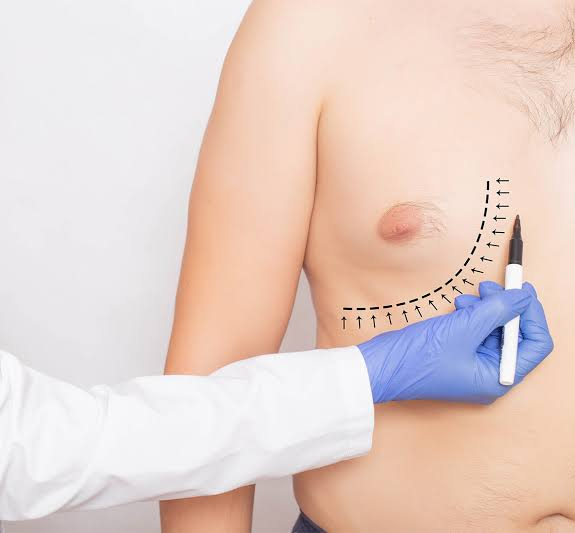
Male breast enlargement can develop because of hormonal changes, excess fatty deposits, or the growth of glandular tissue. Although the condition is common, its appearance can sometimes affect clothing choices, physical comfort, and confidence. Treatment depends on the underlying cause, the amount of excess tissue, and the individual's overall health. Gynaecomastia surgery in Dubai provides different surgical approaches for men seeking to improve persistent chest enlargement. Understanding these options can help individuals recognise which techniques may be suitable for their particular condition.
Understanding the Available Treatment Approaches
Gynaecomastia does not have one universal treatment method. Some individuals have enlarged glandular tissue, while others experience chest fullness caused mainly by excess fat. A combination of both is also possible.
The first step is identifying the type of enlargement. This distinction matters because fat removal alone may not correct firm glandular tissue, while gland removal may not address all the excess fatty deposits.
Treatment decisions are based on individual anatomy, skin elasticity, medical history, and expected outcomes.
Non-Surgical Approaches for Male Breast Enlargement
Not every case of male chest enlargement requires an operation. Depending on its cause, certain individuals may benefit from non-surgical management.
Weight Management
When excess body fat contributes to chest fullness, gradual weight reduction may improve the overall appearance. A balanced diet and regular physical activity can help reduce general body fat.
However, weight loss does not reliably eliminate enlarged glandular tissue. Men with persistent firm tissue beneath the nipple may continue to notice chest enlargement even after reaching a healthy weight.
Addressing Hormonal Factors
Hormonal changes can contribute to the development of gynaecomastia. When an underlying hormonal imbalance or medical condition is identified, treating that issue may help manage the enlargement.
Certain medications and substances can also contribute to breast tissue development. Any suspected medication-related cause should be discussed with an appropriate healthcare professional rather than stopping prescribed treatment independently.
Surgical Treatment Options for Gynaecomastia
When breast enlargement persists or causes significant concerns, surgical correction may be considered. Gynaecomastia surgery in Dubai can involve different techniques depending on the type and extent of excess tissue.
Chest Liposuction
Liposuction is commonly used when excess fat is a major contributor to chest enlargement.
During the procedure, small incisions are created through which a thin cannula is inserted. The instrument helps remove unwanted fatty deposits and improve the chest profile.
This technique can be useful for individuals with good skin elasticity and fat-related chest fullness. It does not directly remove firm glandular tissue.
Glandular Tissue Excision
When enlarged breast glands create a firm area beneath the nipple, direct tissue removal may be necessary.
The procedure involves carefully removing excess glandular tissue through an incision, often positioned around the edge of the areola. This allows the underlying cause of glandular enlargement to be addressed.
The amount of tissue removed is determined according to the individual's anatomy and desired chest proportions.
Combined Liposuction and Gland Removal
Some men have both excess fat and enlarged glandular tissue. In these cases, combining liposuction with surgical excision may be more appropriate.
Liposuction helps reduce surrounding fatty deposits, while excision addresses the firmer glandular component. The combination can improve overall chest definition and reduce uneven fullness.
How Is the Appropriate Technique Selected?
Selecting a suitable treatment method requires consideration of several factors. The composition of the enlarged chest is one of the most important.
The degree of enlargement, skin elasticity, nipple position, and distribution of excess tissue also influence treatment planning.
For example, someone with mild fat-related fullness may require a different approach from an individual with significant glandular enlargement and loose skin.
A detailed assessment helps establish the most suitable technique while taking individual expectations and medical considerations into account.
What to Expect Before Treatment?
Preparation begins with an evaluation of the chest and a review of medical history. Existing health conditions, medications, previous procedures, and lifestyle factors may be considered.
Additional tests may be recommended when necessary to investigate the cause of breast enlargement or assess general surgical suitability.
Patients may receive instructions about medications, smoking, supplements, and fasting before the procedure. Following these instructions helps prepare for surgery.
Recovery After Male Breast Reduction
The healing process depends on the selected technique and the extent of tissue removal.
During the early recovery period, swelling, bruising, tenderness, and temporary changes in sensation may occur. A compression garment may be recommended to support the treated area and help control swelling.
Light daily activities can usually be resumed gradually, depending on individual progress. Heavy lifting, chest exercises, and strenuous workouts should be postponed until appropriate clearance is provided.
As healing continues, swelling gradually decreases and the improved chest shape becomes more visible. Final results may take several months to develop.
Understanding the Benefits and Limitations
Surgical male breast reduction can help create a flatter chest, reduce unwanted fullness, and improve upper-body proportions.
However, the procedure does not guarantee perfect symmetry or eliminate every visible skin irregularity. Scarring, changes in sensation, and differences in healing may influence the final appearance.
The most appropriate goal is an improvement that suits the individual's natural chest structure rather than an unrealistic expectation of perfection.
Maintaining Results After Treatment
Long-term results depend partly on maintaining a stable body weight and addressing factors that may contribute to recurrent enlargement.
Healthy eating habits and regular exercise support overall body composition. Individuals should also discuss ongoing hormonal concerns or medications that could influence breast tissue.
Once recovery is complete and physical activity is permitted, strengthening the chest muscles may help complement the improved body contour. However, exercise is not a replacement for removing persistent glandular tissue.
Final Thoughts
Different causes of male breast enlargement require different treatment approaches, making proper assessment an essential part of the decision-making process. From fat reduction through liposuction to direct glandular tissue removal and combined techniques, the aim is to address the source of chest fullness while maintaining natural proportions. Individuals exploring Gynaecomastia surgery in Dubai can learn more about personalised male breast reduction options at TAJMEELS CLINIC and consider an approach suited to their individual needs.
For More Details, Contact Us Through:
WhatsApp: +971 56 203 8751
Phone: +971 4 373 9000
Social Media:

Provide health services









Comments (0)