

Commercial Lock Change in Knoxville, TN After a Break-In or Security Scare
Restore business security after a break-in with commercial lock change in knoxville, tn, access control checks, rekeying options, and clear steps for a safer reopening
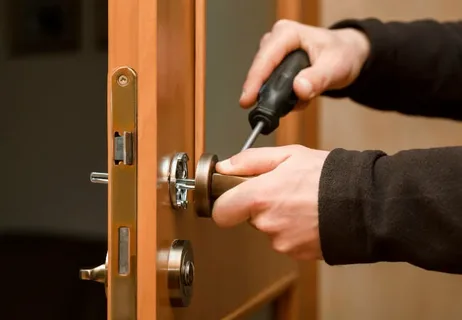
After a break-in or security scare, a business owner needs to limit access before normal operations resume. A damaged lock, missing key, or copied credential can leave more than one entry at risk. Knoxmith Lock & Key can be one option for arranging an inspection, but the owner still needs clear information about what changed and why. That is why commercial lock change in knoxville, tn should be treated as a security decision, not just a repair task.
Key Takeaways
-
Secure the affected area and protect any evidence before work begins.
-
Check every entry that may share keys, codes, or access credentials.
-
Decide between rekeying, lock replacement, or an access-control update.
-
Inspect the door frame, strike plate, and exit hardware along with the lock.
-
Keep written records of new keys, credentials, and completed work.
Section 1: First Response After a Security Scare
When a break-in has just occurred, safety comes first. Employees should stay away from damaged areas until the property is safe to enter. If police or emergency personnel are involved, the property manager should follow their instructions and avoid touching items that may matter to an investigation.
Once the scene is released, the owner can make a basic access list. It should show which doors were forced, which keys are missing, who had access, and whether any electronic credentials may have been copied. A broken front lock may not be the only concern if the same key opens a rear door, storage room, or office.
The next step is to secure the building without blocking safe exits. A temporary measure may help limit entry, but it should not interfere with fire doors, panic bars, or required egress paths. A written incident report, photos of damage, and notes about missing keys can also help with insurance and later decisions.
What Commercial Lock Change in Knoxville, TN Should Cover
Once the property is safe, commercial lock change in knoxville, tn may involve more than replacing one cylinder. The work should account for the lock, door, frame, access method, and people who still hold keys or credentials.
A proper scope may include these areas:
-
Exterior doors, deadbolts, lock cylinders, latches, and strike plates.
-
Interior offices, storage rooms, file areas, and employee-only doors.
-
Rekeying for existing hardware when the lock body remains in good condition.
-
Electronic locks, keypads, fobs, and access-control records when those systems are involved.
Many owners ask whether rekeying is enough. Rekeying changes the internal pin pattern so old keys no longer work, while keeping compatible hardware in place. It may fit a situation involving a lost key, a former employee, or a change in tenants. Full replacement may make more sense when the lock is damaged, worn, poorly matched to the door, or part of a larger security problem.
Section 3: Matching Hardware to the Property
A downtown storefront, office suite, warehouse, clinic, and mixed-use building can all have different entry needs. A business owner seeking Knoxville commercial locksmith help should consider how often each door is used, who needs access, and whether the door faces weather, loading traffic, or public areas.
Older doors sometimes have worn hinges, loose frames, or strike plates that no longer hold the latch correctly. A new lock cannot fully correct a weak frame. Weather exposure can also contribute to corrosion or sticking hardware, so the inspection should look at the whole entry rather than only the visible lock.
The following questions can help narrow the choice:
-
Does the door need a standard key, restricted key, keypad, or card access?
-
Should employees have separate access from contractors, cleaners, or tenants?
-
Does the hardware need to support heavy daily traffic or a controlled office area?
-
Will the change preserve safe exit operation and meet applicable property requirements?
A master key system may reduce the number of keys a manager carries, but it also requires careful control. If too many people receive copies, the system may become difficult to track. A restricted key system can make unauthorized duplication harder, although the property owner should understand how keys are issued and replaced.
Section 4: Restoring Access Without Losing Control
A lock change is not complete when the new hardware is installed. The property manager should also decide who receives new keys, which credentials should be deleted, and how future changes will be recorded. For after-hours business lock service in Knoxville, the manager should confirm building access, tenant schedules, alarm procedures, and any work-hour limits before the appointment.
A simple access plan can reduce confusion during reopening:
-
Give each key or credential to a named person or approved role.
-
Remove former employee, vendor, and tenant access when it is no longer needed.
-
Keep a record of key numbers, codes, fobs, and the date each item was issued.
-
Test every changed door, including locking, unlocking, closing, and safe exit functions.
Electronic access control deserves special attention after a security scare. Changing a mechanical lock will not remove an old keypad code or deactivate a lost fob. Those credentials need to be reviewed separately. Security cameras and alarm records may also help identify which doors need tighter control, but they do not replace a working lock or a clear access policy.
Mistakes That Can Create New Problems
One frequent mistake is changing only the visibly damaged lock. If a missing key opens several doors, the other cylinders may need to be rekeyed or replaced as well. The same concern applies to shared keypad codes and electronic credentials.
Another mistake is choosing hardware based only on price or appearance. A lock that fits a residential door may not be suitable for a busy commercial entrance. The property owner should ask whether the proposed hardware matches the door type, traffic level, frame condition, and existing access system.
It is also easy to overlook the strike plate and door frame. If either is loose or damaged, the latch may not seat correctly even with a new lock. Exit hardware should receive the same attention. A security change must not make it harder for people inside to leave during an emergency.
Decision Factors Before Work Begins
Before choosing a locksmith or approving the work, the property owner should request a clear written scope. It should separate rekeying, lock replacement, door repair, electronic credential changes, and follow-up testing. This makes it easier to compare options without treating every problem as a full replacement.
The owner should also ask what happens to old keys, who will receive the new ones, and whether the work affects tenants or neighboring businesses. If a lease, alarm contract, insurer, or property manager sets special requirements, those details should be checked before hardware is changed.
Timing matters, but speed should not remove basic checks. A business may need access restored before the next opening, while a warehouse or office suite may allow more planning. The best choice balances the level of risk, the condition of the existing hardware, the number of doors involved, and the need to keep normal operations moving.
A common question is whether a business should replace every lock after a break-in. The answer depends on the path of entry, the condition of each lock, and whether keys or credentials may have been exposed. An inspection can help separate doors that need immediate action from doors that only need testing or rekeying.
Frequently Asked Questions
Should A Business Rekey Or Replace Its Locks?
Rekeying may be suitable when the hardware is sound and the main concern is who can use existing keys. Replacement is more appropriate when the lock is damaged, worn, poorly fitted, or no longer suits the building’s access needs.
How Soon Should A Lock Be Changed After A Break-In?
The affected entry should be secured as soon as it is safe and appropriate to do so. The exact timing depends on emergency instructions, evidence concerns, building access, and whether a temporary measure can protect the property until permanent work is completed.
Should The Door Frame Be Checked Too?
Yes. Forced entry can damage the frame, hinges, strike area, or latch pocket. If those parts are weak, a new lock may not provide the expected protection or may fail to close correctly.
Can A Lock Change Affect Electronic Access Control?
It can, especially when mechanical locks and electronic credentials work together. The property manager should confirm whether codes, fobs, cards, or user permissions must be changed separately from the physical hardware.
What Records Should A Property Manager Keep?
Useful records include the work date, doors changed, hardware details, key numbers, assigned users, deleted credentials, and any follow-up repairs. These notes help with future turnover, maintenance, and security reviews.
Can Employees Keep Using Old Keys During The Change?
That depends on whether the old keys still work and whether they may have been copied or lost. Once a new key plan is approved, old keys should be collected or clearly marked as inactive when the hardware no longer accepts them.
A Clear Path Toward Reopening
A break-in or security scare can create pressure to make quick changes, but the most useful response is organized. The property owner should secure the site, review every access point, match hardware to the building, update credentials, and keep a record of the final setup. Those steps support a safer reopening without replacing equipment that still meets the property’s needs.
Next Steps for the Property Owner
After a break-in or security scare, property owners can start by listing affected doors, gathering key and access records, and noting any damaged hardware. They can then request a clear inspection and written scope that separates rekeying, lock replacement, door repair, and access-control updates. That process helps decision-makers compare options, protect business operations, and keep a record of changes. Scheduling the work after confirming site access, tenant needs, and required safety checks can make reopening more orderly and less disruptive.

Hi, I’m Freya Parker, an automotive expert focused on helping car owners make smarter decisions when selling their vehicles. I specialise in breaking down the car-selling process in a simple, practical way from understanding your car’s real value to reading market trends and spotting the right time to sell. My goal is to give you clear, honest guidance so you can confidently get the best possible price for your car without confusion or stress. Whether you’re selling for the first time or just want a better deal, I’m here to make the process straightforward, transparent, and rewarding








Comments (0)