

Safe Technician or General Locksmith in Phoenix, AZ: Who to Call for a Safe
Protect access to a home or business safe with a safe technician in phoenix, az. Learn when specialist help is needed, what to ask, and how to limit damage in Phoenix
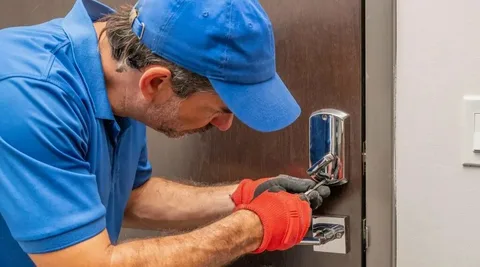
When a safe will not open, Old Glory Locksmith may be among the local names a property owner sees, but the type of help matters more than the name on the truck. A general locksmith handles many home, office, and vehicle lock problems. The right choice depends on the safe’s type, the reason it is locked, and whether damage must be avoided. In most cases, a safe technician in phoenix, az is the better choice when the problem involves the safe’s lock, code, key, or internal parts, while a general locksmith may be enough for a related access issue.
A safe technician works with mechanical dials, electronic keypads, combination locks, override keys, and internal bolt work. A general locksmith may still be able to help with access around the safe, such as a locked room, cabinet, or door. Before making the call, the owner should identify the safe model if possible and explain exactly what happened.
Key Takeaways
-
A general locksmith may handle simple key, door, or cabinet problems near a safe.
-
A safe technician is usually the better choice for a failed safe lock or forgotten code.
-
Proof of ownership may be needed before work begins.
-
Non-destructive methods should be considered before drilling or forced entry.
How the Two Roles Differ
A general safe locksmith focuses on common locks found on doors, gates, cabinets, vehicles, and commercial entry points. Their tools and training may cover key cutting, rekeying, lock repair, and lock replacement. Some general locksmiths also work on basic home safes, but safe work is not always part of their regular service.
A safe technician deals more directly with the construction and lock systems found inside a safe. That may include a mechanical dial, electronic keypad, time lock, deposit lock, fire-rated safe, or burglary-resistant unit. The work often requires careful testing because a safe can remain secure even when the outside handle or keypad looks normal.
This difference matters because a safe is not just a locked box. Its door may contain relockers, hardened steel, glass plates, or a complex bolt system. A rushed attempt to force the handle can make the original fault worse and may damage the contents, the door, or the safe’s future operation.
When a General Locksmith May Be Enough
A general locksmith may be suitable when the safe itself is working and the problem is outside it. For example, a property owner may need help opening a locked office door where the safe is located, replacing a cabinet lock, or making a key for a separate storage box. These jobs do not necessarily require knowledge of the safe’s internal locking system.
They may also help with a simple keyed safe if the key is lost and the unit uses a familiar lock design. Still, the owner should describe the safe before scheduling service. A small home cash box is very different from a large commercial safe with a dual-control lock or electronic access panel.
Situations a General Locksmith Can Handle
The following signs often point to a regular lock service rather than specialized safe work:
-
The safe opens normally, but the room or cabinet around it is locked.
-
A separate keyed box needs key duplication or a basic lock change.
-
A door lock, gate lock, or filing cabinet is the actual source of the access problem.
-
The owner needs rekeying for another lock at the same property.
When to Call a Safe Technician in Phoenix, AZ
A safe technician is the better first call when the safe will not open after the correct key, code, or combination has been used. The same is true when an electronic keypad stops responding, a mechanical dial feels unusual, or the handle turns without moving the bolts. These symptoms can point to a failed lock, a disconnected part, a dead battery, or a problem inside the door.
A Phoenix safe locksmith can also be the right choice for larger business safes, floor safes, drop safes, gun safes, and units with more than one locking system. A specialist is more likely to understand how the lock, door, bolts, and relocker work together. That knowledge can reduce the need for destructive entry, although no professional can promise a non-damaging opening before inspecting the unit.
Phoenix homes and businesses use many types of safes, from small personal units to heavy commercial models. A safe kept in an uncooled garage may have different battery or seal concerns than one inside a climate-controlled office. Sharing the safe’s location, brand, visible lock type, and recent symptoms helps the technician prepare for the visit.
What to Check Before Hiring
The first question is whether the person has direct experience with the type of safe involved. A provider who mainly handles house locks may not be the right fit for a digital safe, a burglary-resistant safe, or a unit with a time-delay feature. The owner can ask which safe brands and lock types they regularly service without expecting a promise that every model can be opened.
The owner should also ask how the provider approaches damage. A careful inspection should come before drilling, cutting, or other forced entry. In some cases, lock manipulation, code recovery, battery replacement, or an internal repair may solve the problem. If drilling is needed, the provider should explain where it would occur, how the opening would be secured afterward, and whether the lock or warranty may be affected.
A safe opening assistance may return many choices, but location alone does not show whether a provider is suited to the job. Clear questions about identification, service limits, pricing, repair options, and ownership records can help prevent confusion. Some providers may ask for identification, a purchase record, or another form of proof of ownership before opening a valuable safe.
Questions to Ask Before Work Begins
These questions help the owner compare providers without relying only on a low quoted price:
-
Has the provider worked with this safe’s lock type and brand?
-
Will they inspect non-destructive options before discussing drilling?
-
What information or proof of ownership should be ready?
-
Will the quote cover opening, repair, and any needed replacement parts?
-
How will the safe be secured if the original lock cannot be repaired?
Common Safe Problems and Safer Next Steps
A dead electronic keypad battery is a common source of confusion, but replacing the battery does not always solve the issue. The battery contacts, keypad cable, solenoid, or internal lock may also be involved. Owners should avoid entering random codes repeatedly because some electronic locks have a temporary delay after several incorrect attempts.
Mechanical locks have their own warning signs. A dial that no longer stops at its usual points, a key that will not turn fully, or a handle that feels loose may signal a problem with alignment or bolt movement. Forcing the handle can bend parts that were still repairable. The safer step is to stop, record what changed, and describe the symptoms accurately.
After-Service Steps That Protect Access
Once the safe is open or repaired, the owner can reduce the chance of another lockout by following a few simple habits:
-
Keep a current record of the combination or access code in a secure place.
-
Replace keypad batteries on a schedule recommended for the lock.
-
Test the safe with the door open before closing it after a code change.
-
Keep service records, model details, and ownership documents together.
-
Ask whether the lock, keypad, or other part has a warranty or care requirement.
A safe should never be tested for the first time after it has been locked shut. When a code or battery is changed, testing the mechanism several times with the door open can reveal a mistake while access is still available. Owners should also avoid storing the only override key inside the safe.
Frequently Asked Questions
Can a General Locksmith Open Any Safe?
No. A general locksmith may open some basic keyed safes, but safe construction and lock design vary widely. A digital, commercial, or burglary-resistant unit may need a technician who works with safe locks on a regular basis.
What Does a Safe Technician Do Differently?
A safe technician evaluates the lock, door alignment, bolts, relocker, and access method as one system. They may test a keypad, inspect a mechanical dial, or check whether a simple power or alignment issue is blocking the lock before choosing a more invasive method.
Is Drilling Always Required to Open a Safe?
No. The opening method depends on the lock fault, safe design, condition, and available records. Some problems can be corrected through battery service, code work, lock repair, or careful manipulation. If drilling is considered, the risks should be explained first.
What Should an Owner Have Ready?
The owner should have the safe’s brand, model if known, lock type, location, and a clear description of the problem. Identification and proof of ownership may also be needed, especially for a commercial safe or a unit containing valuable property.
Can a Failed Keypad Be Repaired?
Sometimes. The issue may involve batteries, contacts, wiring, the keypad, or the lock body. A technician can inspect the parts and explain whether repair is practical or whether the keypad or complete lock needs replacement.
Could a Safe Be Moved Before It Is Opened?
Moving a heavy safe can create safety risks and may worsen damage to the floor, door, or locking parts. The owner should have the unit assessed first. In many cases, opening it in place is safer than trying to transport it while locked.
Choosing the Right Professional
The main choice is not simply between a general locksmith and a specialist by job title. It is a choice between the person whose tools and experience match the problem and the person who can explain the risks clearly. A general locksmith may be suitable for surrounding locks or a simple keyed box, while a safe technician is usually the safer starting point for an internal safe lock problem.
By sharing accurate details, preparing ownership records, and asking about non-destructive options, property owners can make the service call more focused. That preparation also helps protect the safe, its contents, and future access.
Next Steps for a Safe Lockout
When a safe is locked, the next step should match the problem. They can first identify the safe type, gather proof of ownership, and note whether the issue involves a lost key, failed keypad, forgotten combination, or damaged lock. They should then ask for a clear inspection plan, possible non-destructive options, expected costs, and any limits on opening the unit. A qualified local professional can explain risks before work begins, helping owners protect the safe, its contents, and later access.

Hi, I’m Freya Parker, an automotive expert focused on helping car owners make smarter decisions when selling their vehicles. I specialise in breaking down the car-selling process in a simple, practical way from understanding your car’s real value to reading market trends and spotting the right time to sell. My goal is to give you clear, honest guidance so you can confidently get the best possible price for your car without confusion or stress. Whether you’re selling for the first time or just want a better deal, I’m here to make the process straightforward, transparent, and rewarding










Comments (0)