

How Do Commercial Epoxy Flooring Companies Protect Showroom Floors Against UV Yellowing and Sunlight?
Standard epoxy forms a tough, dense film that handles weight, chemicals, and foot traffic well. Ultraviolet light is a different story. UV energy slowly breaks down the aromatic compounds in the resin, and the visible result is a warm yellow or brownish tint.

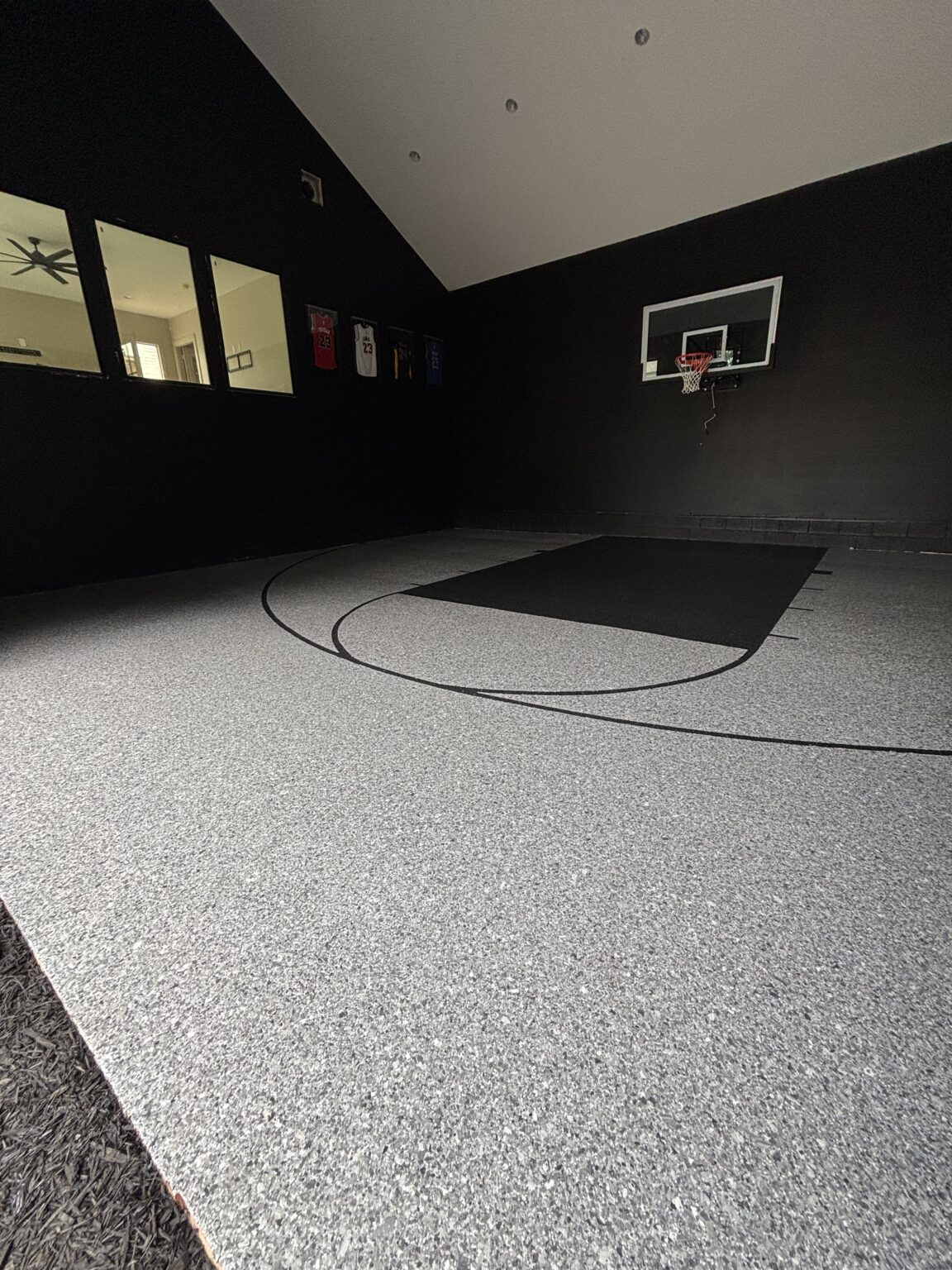
A showroom floor does quiet but important work. It frames the vehicles, furniture, or equipment on display, and it tells visitors that a business pays attention to detail. In North Alabama, large glass storefronts let in strong sunlight for much of the year, and that can wear a floor down quickly. Clear and light-colored epoxy tends to turn amber under daily UV exposure. Experienced commercial epoxy flooring companies know this problem well and plan for it from the first site visit. This article explains what causes yellowing and how professionals prevent it.
Why Sunlight Turns Epoxy Yellow
Standard epoxy forms a tough, dense film that handles weight, chemicals, and foot traffic well. Ultraviolet light is a different story. UV energy slowly breaks down the aromatic compounds in the resin, and the visible result is a warm yellow or brownish tint.
The change is gradual. A floor may look perfect for six months and then show a faint cast near the front windows. Heat speeds things up, since warm glass and direct afternoon sun intensify the reaction. Gloss can fade too, leaving a hazy surface that looks less premium. Showrooms often use pale grays, whites, or clear finishes, so even a slight color shift shows up fast.
Why You Need a UV-Stable Topcoat Over Epoxy
The most common fix is simple: epoxy should not be the exposed top layer. It works well as the body of a floor system, but the surface needs a material that tolerates sunlight. Polyaspartic and aliphatic polyurethane coatings are the usual choices. Their chemistry resists UV breakdown, so they hold color and gloss far longer than plain epoxy.
Polyurethane gives a smooth, scratch-resistant surface. Polyaspartic cures quickly and goes down in a thinner film, which helps when a business cannot stay closed for long. Installers choose between them based on schedule, sun exposure, and the look the owner wants. Either way, the topcoat acts like sunscreen for the layers underneath.
How Layered Systems Protect the Floor
A showroom floor is rarely a single coat. Professional crews build a system in which each layer has its own job; a primer bonds to the concrete. A base coat adds color and thickness. Decorative flakes or metallic pigments, if used, add depth and hide small flaws. The final UV-stable topcoat seals everything.
Reputable commercial epoxy flooring companies also watch film thickness closely. A topcoat applied too thin may wear through early and expose the epoxy to sunlight. One applied too thick can cure unevenly. Following the manufacturer’s spread rates keeps the protective layer consistent across the whole floor. Many showroom projects also use pigmented base coats, because colored systems hide minor tint changes much better than clear ones.
How Preparation and Application Details Affect Color
Color stability depends on more than the products. Moisture in the concrete can cause cloudiness and blistering that looks a lot like aging. Installers test the slab before coating and add a moisture barrier if readings run high. Mechanical grinding opens the concrete pores so the coating bonds well and cures evenly.
Temperature and humidity during installation matter as well. Mixing ratios must be exact, because an off-ratio batch can stay soft or discolor early. Good crews measure carefully, mix for the full recommended time, and apply coats within the recovery window. These habits sound small, but they decide whether a floor stays clear and bright or starts clouding within a year.
Why is Managing Sunlight and Maintenance After Installation Necessary
Even the best coating benefits from help at the source. Window tint or UV-filtering film can cut a large share of the radiation entering a showroom. Awnings, blinds, and smart display layouts add more relief. Switching to LED fixtures also reduces the small amount of UV that some older lighting gives off.
Routine care matters just as much. Daily dust mopping removes grit that scratches the topcoat, and a pH-neutral cleaner handles spills and tire marks. Harsh acids, solvent cleaners, and abrasive pads should stay away, since they dull the finish. A light recoat every few years costs far less than replacing the whole system.
Final Thoughts
Sunlight will always reach a showroom, but yellowing does not have to follow it. UV-stable topcoats, layered systems, careful preparation, and smart light control all work together to protect the floor. Business owners who want lasting results should talk with local commercial epoxy flooring companies, such as Rocket City Epoxy, about topcoat options, window exposure, and long-term care before work begins. A little planning at the start keeps the floor bright, glossy, and ready to impress for years.
Frequently Asked Questions
Why do showroom epoxy floors turn yellow?
Epoxy resin reacts to ultraviolet light, which slowly changes its chemical structure and creates an amber tint. Heat and direct sun speed this up. Experienced commercial epoxy flooring companies greatly reduce the risk by using UV-stable topcoats, pigmented base coats, and proper curing methods. Hence, the floor keeps its original color and gloss for much longer in bright retail spaces.
Is polyaspartic better than polyurethane for sunny showrooms?
Both resist UV well, so the better choice depends on the project. Polyaspartic cures fast and suits tight schedules, while polyurethane offers excellent abrasion resistance and a smooth finish. Many installers apply either one over an epoxy base. A careful site inspection of sun exposure, traffic, and downtime limits helps owners determine the right UV-resistant topcoat for each showroom space.
Can yellowed epoxy be repaired without replacing the floor?
Often, yes. Crews can lightly abrade the glossy surface, clean it thoroughly to remove dust and residue, and apply a UV-stable topcoat over sound epoxy. Deep discoloration or peeling may need more extensive work. Reliable commercial epoxy flooring companies inspect the floor first, then recommend either a recoat or partial removal, depending on bonding, thickness, and the extent of damage.
How much does UV protection add to project cost?
UV-stable topcoats usually add a relatively modest amount to the total price, mainly for materials and an extra coat of skilled labor. That investment often saves owners money later by delaying recoats and preventing discoloration complaints. Pricing varies with floor size, preparation needs, and chosen products, so a written estimate after a site visit is the best guide for budgeting.
How long does a UV-resistant showroom floor last?
With a quality topcoat and regular cleaning, a showroom floor can stay clear and glossy for many years in a busy retail setting. Actual lifespan depends on sun exposure, foot or vehicle traffic, and maintenance habits. Periodic light recoating every few years refreshes protection without full replacement, which keeps downtime short and helps the floor continue to look sharp for customers.








Comments (0)