

Behind Every Great Website: The Hidden Work You Learn at Solutions1313's Website Designing Course in Patiala
Solutions1313's Website Designing Course in Patiala introduces learners to these important activities and helps them understand what happens behind the scenes of website creation.
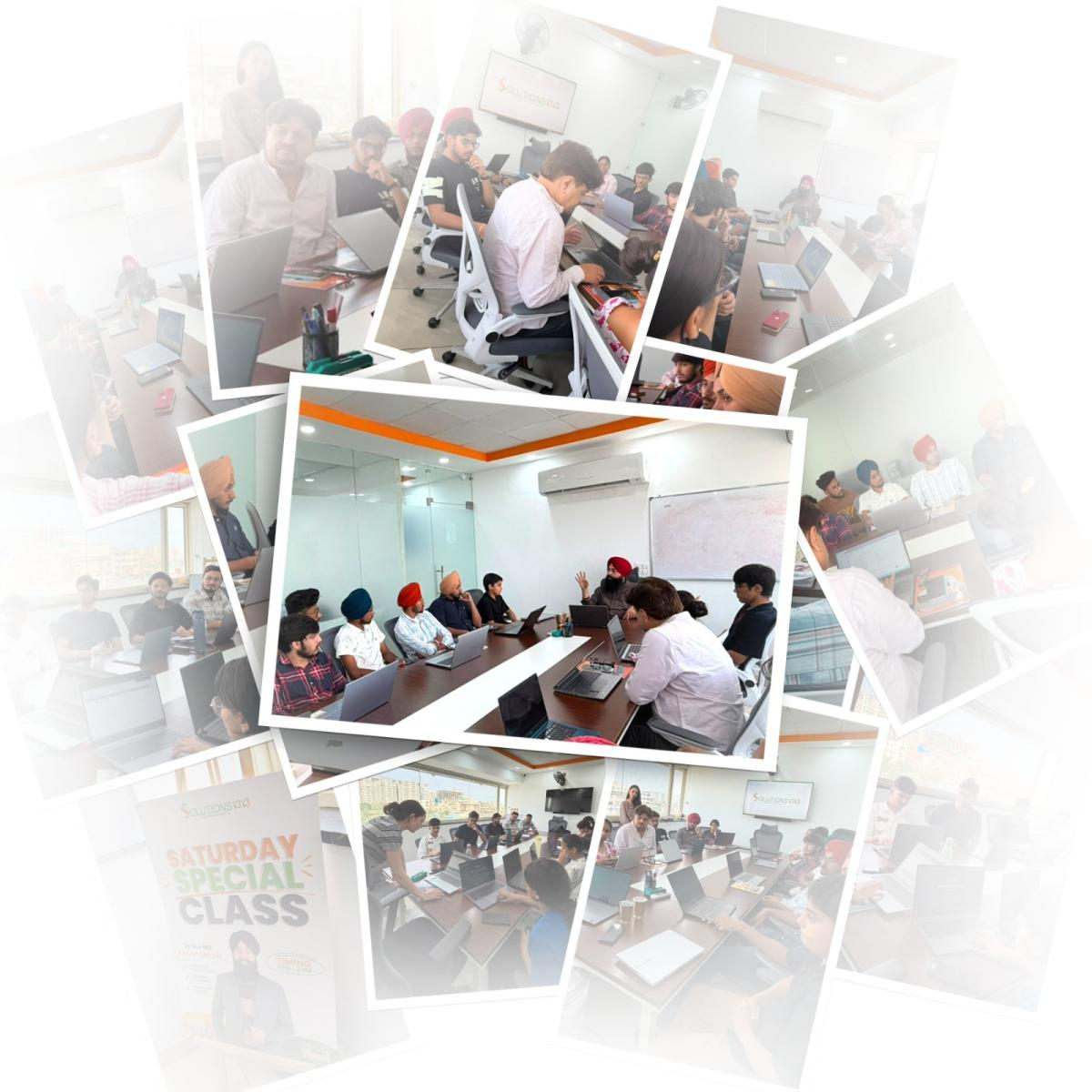
When visitors open a website, they usually notice the visible elements first: attractive photographs, headings, colours, buttons, and page layouts. What they may not realise is how much planning and technical work happens before those elements appear on the screen.
A professional website is the result of multiple decisions involving design, content, coding, testing, performance, and maintenance. Solutions1313's Website Designing Course in Patiala introduces learners to these important activities and helps them understand what happens behind the scenes of website creation.
Let's explore the less visible work that makes a website function effectively.
The First Hidden Task: Understanding the Business
Before a designer creates a homepage, they need to understand the organisation behind it. A coaching institute, restaurant, manufacturing company, and online store all have different objectives. Their websites should reflect those differences.
A designer may need to ask:
-
Who is the target audience?
-
What information should visitors find?
-
Which services or products must be displayed?
-
What action should visitors take?
-
Does the business need an enquiry form or an online store?
These questions establish the foundation for the website project.
The Second Hidden Task: Information Architecture
Information architecture is the process of organising website content so visitors can find what they need. Imagine a website containing fifteen services. If every service is placed on one long page without a clear structure, visitors may struggle to explore it. A sitemap helps organise pages and their relationships. Navigation labels should be understandable, and important content should be easy to reach. This stage may seem simple, but it can influence the entire website experience.
The Third Hidden Task: Wireframing
Wireframes are basic layouts that show where content and interface elements will appear. A designer may create wireframes for desktop and mobile screens. They help determine the position of headings, navigation, images, forms, and buttons before detailed styling begins. Figma is useful for preparing wireframes and visual design systems. It also helps organise reusable components and maintain consistency.
The Fourth Hidden Task: Writing Clean Structure
HTML5 provides the foundation of a webpage. A well-organised HTML structure helps make content understandable and easier to maintain. Semantic elements such as header, nav, main, section, article, and footer communicate the purpose of different page areas. Developers should also use suitable heading levels, meaningful link text, and descriptive image alt text. The visible design may receive more attention, but the underlying structure is equally important.
The Fifth Hidden Task: Managing CSS
CSS3 controls the appearance of a website, but professional styling involves more than selecting colours. Designers need to understand the box model, typography, spacing, Flexbox, Grid, positioning, responsive rules, and visual consistency. A poorly organised stylesheet can become difficult to maintain as a website grows. Using consistent classes, reusable styles, and logical organisation helps make future improvements easier.
The Sixth Hidden Task: Handling Interactivity
A website may contain dropdown menus, forms, sliders, tabs, and other interactive features. JavaScript can help create these behaviours. However, every interactive feature needs testing. For example, a contact form should provide suitable feedback when required fields are missing. A mobile navigation menu should open and close correctly. Buttons should perform the actions their labels promise. Good functionality should make the website easier to use, not more confusing.
The Seventh Hidden Task: Managing Content
Many businesses update their websites regularly. They may add new services, publish articles, change photographs, or introduce new products. WordPress provides a content management environment that helps manage these updates. Designers should understand how pages, posts, themes, menus, and plugins work. They should also learn to manage updates and backups carefully. WooCommerce introduces additional features for online stores, including product organisation and shopping functionality.
The Eighth Hidden Task: Improving Performance
A website may look attractive but still provide a poor experience if it loads slowly. Performance work can include image optimisation, resource management, caching concepts, and reviewing unnecessary scripts. Core Web Vitals introduce important measurements related to loading, interactivity, and visual stability. Designers should learn how to identify performance issues and evaluate whether their changes improve the experience.
The Ninth Hidden Task: Preparing for Search Visibility
Search-friendly website structure begins during development. Designers should understand semantic HTML, heading hierarchy, page titles, metadata, internal links, descriptive URLs, image alt text, and basic schema markup. These practices help organise content and communicate its meaning. They do not guarantee search rankings, but they contribute to a more understandable website.
The Tenth Hidden Task: Launching and Maintaining the Website
A website must be prepared before it becomes publicly available. The process may include domain configuration, hosting setup, DNS records, SSL, backups, and final testing. After launch, the designer may need to correct issues, update content, maintain plugins, and implement improvements. A proper handover helps the business understand how to manage its website.
How Solutions1313 Introduces These Skills
The Web Designing Course in Patiala at Solutions1313 covers HTML5, CSS3, JavaScript, Figma, WordPress, WooCommerce, responsive design, website speed, SEO basics, and deployment. Students receive practical project exposure and learn about client feedback, revisions, testing, handover, and post-launch fixes. This approach helps learners understand that website creation is a complete process rather than a collection of unrelated tools.
Why Behind-the-Scenes Knowledge Matters
A designer who understands the entire process can make better decisions. They can plan more realistic layouts, communicate effectively with developers, identify technical problems, and prepare websites for future updates. This knowledge can also help when working on freelance assignments or collaborating with a digital agency.
Conclusion
The visible part of a website is only one part of the work. Planning, structure, coding, performance, and maintenance all contribute to the final result. Students who want to explore these areas can consider a practical Website Designing Institute in Patiala. Solutions1313 introduces learners to the technologies and workflows behind professional website creation.

Learn to Design Travel Websites with Solutions1313's Website Designing Course in Patiala. Travel websites need attractive visuals and organised information to help visitors explore destinations and plan their journeys. The Website Designing Course in Patiala at Solutions1313 introduces learners to creative website layouts that can present travel experiences effectively. Students can explore destination cards, photo galleries, travel packages, itinerary sections, and important visitor information. They can also understand how colours, typography, image placement, and navigation influence the browsing experience. A well-structured travel website allows users to discover useful details while enjoying an engaging visual presentation. The Web Designing Course in Patiala can build a foundation for understanding travel-related website design. Explore your interest in digital creativity and start learning practical design concepts at Solutions1313.










Comments (0)