

DPF Cleaning for Cars: BMW and XUV700 DPF Problems Explained
DPF Cleaning for Cars, BMW DPF Cleaning, XUV700 DPF Issue, Diesel Car DPF Cleaning, SUV DPF Cleaning, BMW Diesel Particulate Filter Cleaning, XUV700 DPF Regeneration

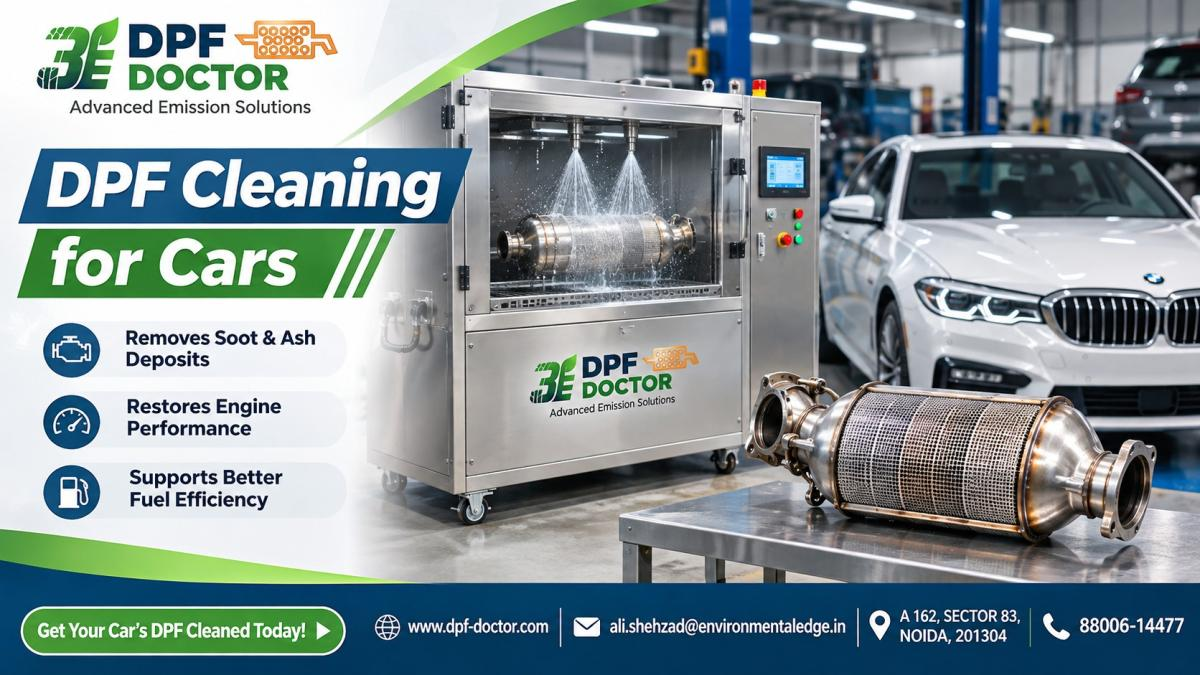
Modern diesel cars and SUVs use advanced emission control systems to reduce harmful particulate emissions. One of the most important components is the Diesel Particulate Filter (DPF), which captures soot generated during diesel combustion.
Over time, accumulated soot and ash can restrict exhaust flow, affecting engine performance and fuel efficiency. Professional DPF Cleaning for Cars helps address these restrictions when the filter remains suitable for reuse.
Whether you own a BMW diesel car or a Mahindra XUV700, understanding common DPF problems, warning signs, and maintenance requirements can help prevent unnecessary repair expenses.
Why Do Diesel Cars Experience DPF Blockage?
Diesel particulate filters rely on regeneration to burn accumulated soot. However, certain driving conditions can prevent this process from being completed successfully.
Common causes of DPF blockage include:
- Frequent short-distance journeys.
- Excessive engine idling.
- Interrupted regeneration cycles.
- Faulty fuel injectors.
- Excessive engine oil consumption.
- Malfunctioning exhaust sensors.
- Accumulation of non-combustible ash
Diesel cars frequently driven in congested urban areas may experience incomplete regeneration because the exhaust system does not consistently reach suitable operating temperatures.
What Are the Common Signs of DPF Problems in Cars?
Recognising early warning signs allows vehicle owners to arrange professional inspections before filter restrictions become more severe.
|
Warning Sign |
Possible Cause |
|---|---|
|
DPF warning light |
Excessive soot accumulation |
|
Reduced fuel efficiency |
Frequent active regeneration |
|
Poor acceleration |
Restricted exhaust flow |
|
Reduced engine power |
Increased exhaust backpressure |
|
Frequent regeneration |
Incomplete soot removal |
|
Limp mode |
Significant restriction or emission system faults |
These symptoms can also indicate other mechanical problems. A diagnostic inspection is necessary to confirm whether DPF blockage is responsible.
BMW DPF Cleaning: What Should Diesel Car Owners Know?
BMW diesel vehicles equipped with particulate filters require appropriate exhaust system maintenance to support reliable performance.
Frequent city driving, interrupted regeneration, and underlying engine faults can contribute to excessive filter contamination.
Professional BMW DPF Cleaning should begin with an assessment of diagnostic fault codes, differential pressure readings, filter condition, and regeneration history.
Technicians should also investigate temperature sensors, fuel injection systems, and other components that could contribute to repeated blockage.
Cleaning a restricted filter without addressing the underlying problem may result in recurring contamination. Therefore, BMW owners should select service providers with suitable diagnostic equipment and experience handling their specific vehicle models.
What Causes the XUV700 DPF Issue?
The Mahindra XUV700 diesel uses a particulate filter as part of its exhaust emission control system. Under suitable operating conditions, regeneration helps remove accumulated soot.
A common XUV700 DPF issue may involve incomplete regeneration, excessive soot loading, or persistent dashboard warnings.
Potential contributing factors include frequent short journeys, heavy city traffic, prolonged idling, and interrupted regeneration cycles.
Mahindra's XUV700 owner's manual advises owners to follow vehicle-specific regeneration instructions and contact an authorised service centre if parked regeneration fails to start or repeatedly stops.
Persistent DPF warnings should not be ignored, particularly when accompanied by reduced engine power or additional warning lights.
How Does Professional DPF Cleaning for Cars Work?
Professional cleaning involves a controlled procedure based on the filter's design and physical condition.
1. Diagnostic Inspection
Technicians assess fault codes, filter restrictions, and applicable pressure readings.
2. Filter Removal
Where necessary, the DPF is removed while protecting connected sensors and exhaust fittings.
3. Controlled Cleaning
Specialised equipment removes suitable soot, ash, and accumulated contaminants from the filter.
4. Drying and Testing
The filter undergoes appropriate drying and performance assessment.
5. Reinstallation
Serviceable filters are refitted, followed by relevant diagnostic and operational checks.
DPF Regeneration vs Professional DPF Cleaning
Both processes address filter contamination, but they serve different maintenance purposes.
|
Parameter |
DPF Regeneration |
Professional DPF Cleaning |
|---|---|---|
|
Primary purpose |
Burns accumulated soot |
Removes suitable deposits |
|
Ash removal |
No |
Possible |
|
Filter removal |
Usually unnecessary |
May be required |
|
Cleaning process |
Controlled exhaust heating |
Specialised cleaning equipment |
|
Application |
Routine soot management |
Excessive contamination |
|
Performance assessment |
Vehicle diagnostics |
Applicable flow or pressure testing |
Professional cleaning may become necessary when regeneration cannot resolve restrictions caused by accumulated ash or persistent contamination.
How Can Diesel Car Owners Prevent DPF Problems?
Regular maintenance can help reduce avoidable filter restrictions and support vehicle reliability.
- Follow manufacturer-recommended service intervals.
- Use approved engine oil and suitable diesel fuel.
- Avoid unnecessary engine idling.
- Follow vehicle-specific regeneration instructions.
- Maintain fuel injection and air intake systems.
- Arrange inspections when warning lights persist.
Similar maintenance principles apply to commercial diesel vehicles, although component sizes and cleaning requirements differ. Fleet operators can explore specialised Truck DPF, SCR and DOC Cleaning solutions for heavy-duty applications.
Find Professional DPF Cleaning Solutions with 3E DPF DOCTOR
3E DPF DOCTOR helps vehicle owners explore specialised DPF Cleaning for Cars and SUVs through its service network.
Customers should confirm model compatibility, cleaning procedures, service charges, and diagnostic requirements with their chosen service provider.
Conclusion
Proper DPF maintenance is essential for maintaining diesel car performance and exhaust system efficiency. Whether dealing with BMW DPF restrictions or XUV700 regeneration problems, accurate diagnosis should always come before cleaning.
Timely inspection, appropriate maintenance, and professional cleaning can help address filter contamination and avoid premature component replacement.












Comments (0)