

Improving Beverage Service Through Thoughtful Cup Sleeve Design
Explore how material selection, practical functionality, manufacturing processes, customer comfort, and visual design influence the quality of paper cup sleeves. This article examines the role of well-designed sleeves in beverage service and how thoughtful packaging choices can support both business operations and customer experience.

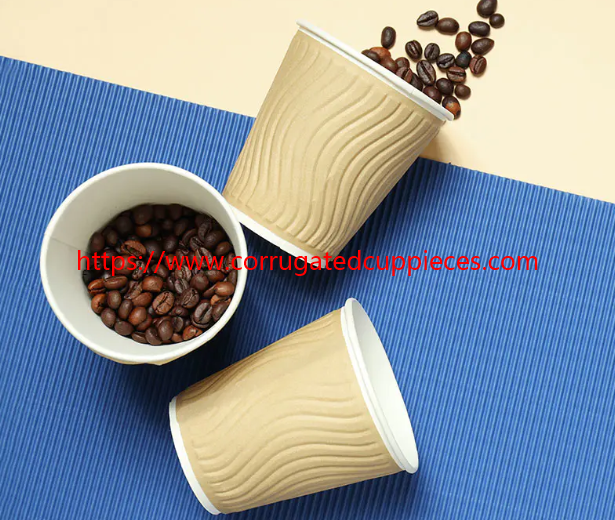
In cafés, takeaway counters, and foodservice environments, packaging details can influence how customers interact with a drink from the moment it is served. A well-designed sleeve adds a practical layer between the cup and the customer's hand, while also contributing to the overall presentation of the beverage. When businesses evaluate Hot Drink Cup Sleeves, they should consider more than basic appearance, paying attention to paper quality, structural design, handling comfort, and how the product fits into daily service routines.
Paper selection is an important starting point. Different paper materials create different experiences in terms of texture, appearance, and structural behavior. Kraft paper is often selected for its natural color and understated surface, making it suitable for businesses that prefer a simple, environmentally conscious visual identity. White paper offers a cleaner background for colorful artwork, logos, and other printed elements. Corrugated paper introduces a distinctive textured structure that can help create separation between the cup and the hand while giving the packaging a recognizable appearance.
The choice of material should reflect the intended application rather than follow a general preference. A coffee shop with a natural, handcrafted brand image may favor kraft paper, while a beverage chain seeking a consistent graphic presentation may prefer white paper with customized printing. Businesses should also consider the paper's surface, folding behavior, and compatibility with the converting process. Material consistency matters because uneven paper quality can affect the appearance and handling of finished sleeves.
Selecting a suitable sleeve involves understanding how it will be used in real service conditions. Buyers should first consider the types of cups commonly used in their business. Cup shape, surface profile, and the way customers hold their drinks all influence sleeve design. A sleeve that fits too loosely may move during handling, while one that is difficult to position can slow down preparation at busy counters. The objective is to achieve a practical fit that supports convenient application and a comfortable grip.
Purchasing decisions should also account for the business's operating model. Independent cafés may value flexible designs that complement changing beverage menus, while larger foodservice operations may prioritize consistent appearance across different locations. Storage and preparation deserve attention as well. Sleeves that are supplied in convenient formats can help staff organize packaging materials and access them efficiently during service. Buyers should review samples, examine the finished edges, and assess whether the product can be handled smoothly by employees.
Functionality depends on more than the paper itself. The sleeve's overall structure determines how it wraps around a cup, maintains its shape, and responds to everyday handling. Corrugation, cutting, creasing, and forming are important processes in creating a sleeve that combines useful structure with an attractive finish. Each stage influences the relationship between the material and the final product. Accurate cutting helps create consistent outlines, while well-planned creases support folding and assembly.
The design of the sleeve should also consider how customers interact with a hot beverage. A textured surface can provide a more comfortable holding experience, and a properly shaped sleeve can help reduce direct contact between the hand and the cup. It should remain easy to apply and remove without creating unnecessary inconvenience. These practical details are particularly relevant in takeaway environments, where customers may be walking, commuting, or carrying other items while holding a drink.
From the customer's perspective, packaging quality is often judged through small interactions. A sleeve that feels stable and comfortable can make a drink easier to carry. Clean edges, an even surface, and a secure fit contribute to a sense of care in the overall presentation. If a sleeve shifts, unfolds unexpectedly, or feels rough during use, it can distract from the beverage experience. Businesses should therefore assess products through actual handling rather than relying on appearance alone.
Visual design provides another opportunity to strengthen the relationship between packaging and brand identity. A sleeve is a visible part of the beverage presentation, making its color, texture, and printed artwork meaningful elements of the customer experience. Minimal graphics can communicate a natural and relaxed style, while more expressive designs can help distinguish seasonal drinks or promotional offerings. Typography, logo placement, and the balance between printed and unprinted areas should work together without making the sleeve look crowded.
Customization should remain connected to the product's practical purpose. Artwork needs to fit the available surface and remain clear when the sleeve is wrapped around a cup. Color choices should complement the cup and other packaging materials, creating a coordinated appearance across takeaway bags, beverage containers, and food packaging. Businesses can also consider how a sleeve will look in customer photographs and on social media, where packaging may become part of the visual identity of a café.
Manufacturing experience is another consideration when selecting a packaging partner. Shanghai Xinona New Material Technology Co., Ltd. works with corrugated paper packaging products and related converting processes, including corrugating, die cutting, printing, and sleeve forming. Its product range includes kraft and white paper options, allowing businesses to consider different material appearances and customization approaches. For buyers, discussing intended applications, artwork requirements, and preferred material styles with a manufacturer can help establish a clearer direction before production begins.
As beverage businesses refine their packaging choices, sleeves deserve attention as both functional accessories and visible parts of the service experience. Material quality, practical construction, comfortable handling, and thoughtful artwork all contribute to how a finished product performs in everyday use. Shanghai Xinona New Material Technology Co., Ltd. provides further information about its corrugated paper packaging products and customization options at https://www.corrugatedcuppieces.com/product/.









Comments (0)