

Post Hair Transplant Care Tips: What to Expect During the First 30 Days
A hair transplant is an important step toward restoring hair density, improving your appearance, and regaining confidence.

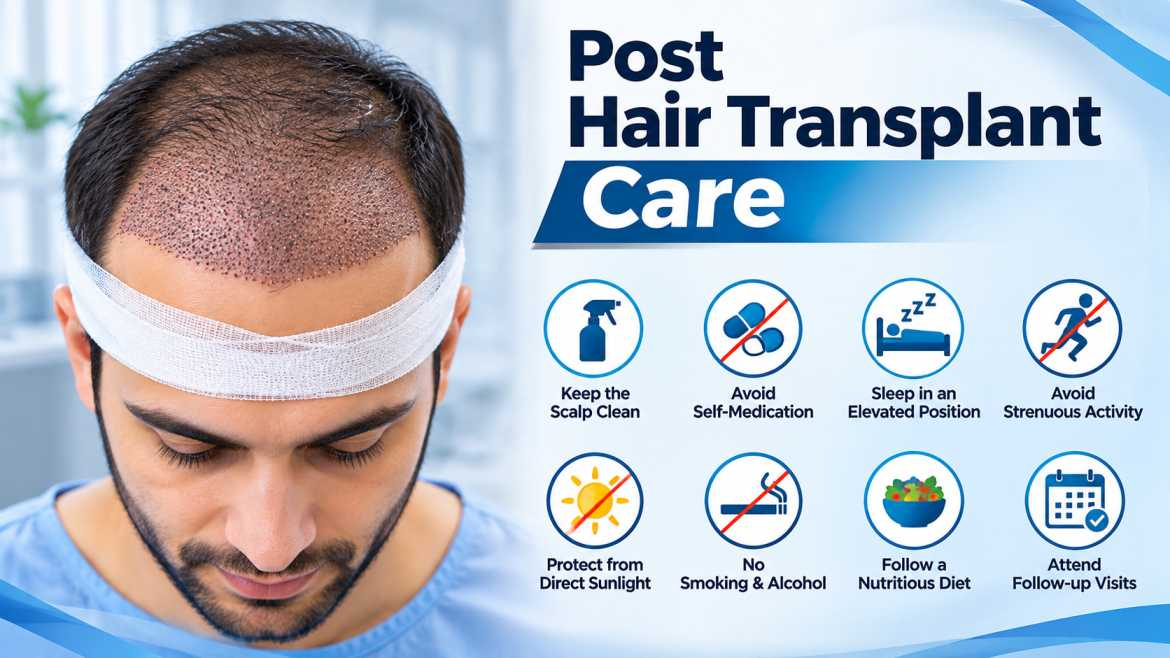
A hair transplant is an important step toward restoring hair density, improving your appearance, and regaining confidence. However, the success of the procedure depends not only on the surgeon's expertise but also on how well you care for your scalp after surgery. Proper post hair transplant care is essential for protecting newly implanted grafts, supporting healing, and creating favorable conditions for healthy hair growth.
The first 30 days after a hair transplant are particularly important because your scalp goes through several stages of recovery. You may experience redness, swelling, scabbing, and temporary hair shedding during this period. Understanding what is normal and which precautions to follow can help you manage your recovery with confidence. Whether you have undergone Follicular Unit Extraction (FUE) or Follicular Unit Transplantation (FUT), following your surgeon's instructions is essential for achieving the best possible results.
Why Is Post Hair Transplant Care Important?
Post hair transplant care involves following specific medical instructions and maintaining healthy habits after hair restoration surgery. During the initial recovery period, newly implanted grafts need protection while the surrounding scalp heals.
Proper aftercare helps reduce the risk of infection, manage discomfort, protect the transplanted follicles, and support the natural healing process. It also helps patients understand the expected recovery timeline and avoid activities that could interfere with healing.
First 3 Days: Protect Your Newly Implanted Hair Grafts
The first three days after surgery are among the most sensitive stages of recovery. Your scalp may feel tender, and you might notice mild redness, swelling, or small amounts of dried blood around the recipient area.
During this period, protecting the newly implanted grafts should be your priority. Avoid touching, rubbing, scratching, or applying pressure to the transplanted area. Follow your surgeon's instructions regarding medications and scalp cleaning.
Sleep on your back with your head slightly elevated using extra pillows or a neck pillow. This position may help reduce swelling and prevent accidental contact with the treated area.
Avoid strenuous exercise, excessive sweating, smoking, and alcohol consumption during the initial recovery period, according to your surgeon's recommendations.
Days 4–7: Begin Gentle Hair Washing
During the first week, your scalp gradually starts healing. Small scabs may develop around the transplanted grafts, and mild itching or redness may occur.
Hair washing is an important part of post hair transplant care, but you should begin only when your surgeon recommends it. Use the shampoo provided or approved by your clinic and follow the washing technique carefully.
Avoid rubbing the scalp, using hot water, or applying strong water pressure directly to the transplanted area. Allow the scabs to soften and fall away naturally. Never scratch or remove them forcefully because this may irritate the healing skin.
Continue sleeping carefully and avoid activities that could cause accidental injury to your scalp.
Days 8–14: Scalp Healing and Scab Removal
During the second week, many patients notice that scabs gradually begin falling off. Redness and swelling may also start improving, although some sensitivity can remain.
Your surgeon may allow you to wash your scalp more normally as healing progresses. However, continue following the recommended washing technique until you receive permission to return to your usual routine.
Avoid using hair gels, sprays, oils, dyes, or chemical treatments unless your doctor approves them. Continue avoiding activities that involve direct pressure or friction on the transplanted area.
If you notice increasing pain, spreading redness, pus, fever, or unusual swelling, contact your clinic promptly.
Days 15–21: Understanding Temporary Hair Shedding
During the third week, you may notice transplanted hairs beginning to fall out. This is commonly known as shock loss and is generally an expected part of the hair transplant recovery process.
Although seeing transplanted hairs shed can be concerning, it does not necessarily mean that the grafts have failed. The follicles usually remain beneath the skin and enter a resting phase before producing new hair.
Continue following your post hair transplant care routine. Maintain a balanced diet, stay hydrated, and avoid unnecessary scalp irritation.
You should also follow your surgeon's recommendations regarding exercise, outdoor activities, and regular hair care.
Days 22–30: Adjusting to Your Recovery Routine
By the fourth week, most patients experience noticeable improvement in scalp healing. Redness and scabbing generally decrease, and everyday activities may become easier.
Some patients may still experience mild sensitivity, dryness, or temporary shedding. These changes can vary depending on individual healing and the type of procedure performed.
Your surgeon may gradually allow you to resume more normal activities, including exercise and regular hair washing. However, do not assume that every activity is safe simply because one month has passed. Follow your clinic's specific recommendations.
Remember that visible hair growth usually takes several months, so do not expect significant density improvements during the first 30 days.
10 Essential Post Hair Transplant Care Tips for the First 30 Days
Following a consistent aftercare routine can make your recovery more comfortable. Here are ten important tips to remember:
1. Follow Medical Instructions: Always follow your surgeon's personalized aftercare recommendations.
2. Protect Your Grafts: Avoid touching, scratching, rubbing, or putting unnecessary pressure on the transplanted area.
3. Wash Gently: Use an approved shampoo and follow your clinic's recommended washing technique.
4. Sleep Carefully: Keep your head elevated during the initial nights if recommended by your surgeon.
5. Avoid Heavy Exercise: Stay away from strenuous workouts until your doctor approves them.
6. Eat Healthy Foods: Include protein, fruits, vegetables, and essential nutrients in your daily diet.
7. Stay Hydrated: Drink enough water to support your body's normal functions.
8. Avoid Smoking and Alcohol: Follow your surgeon's recommendations about avoiding these substances during recovery.
9. Protect Your Scalp: Avoid excessive sunlight and use appropriate protection when permitted by your doctor.
10. Attend Follow-Up Appointments: Regular checkups help your surgeon monitor healing and identify potential problems.
Common Mistakes to Avoid During the First 30 Days
Patients sometimes make mistakes that can interfere with their recovery. Avoid scratching the transplanted area, removing scabs forcefully, washing aggressively, exercising too early, or using unapproved hair products.
Do not expose your scalp to excessive sunlight or wear tight headwear without medical approval. Avoid taking additional medications or supplements without consulting your doctor.
Most importantly, do not panic if transplanted hairs begin shedding. Temporary shedding is commonly part of the normal hair growth cycle after transplantation.
When Will You See Hair Transplant Results?
The first 30 days mainly focus on healing rather than visible hair growth. Most patients begin noticing new hair growth around three to four months after surgery.
Between six and nine months, hair growth and density often become more noticeable. More mature results generally develop between twelve and eighteen months, depending on individual factors and the treatment area.
Patience is essential because every patient's hair growth timeline is different.
Conclusion
The first 30 days after hair transplant surgery are an important stage in your hair restoration journey. Following proper post hair transplant care can help protect newly implanted grafts, support scalp healing, and reduce the risk of unnecessary complications.
From protecting your scalp during the first few days to understanding temporary hair shedding during the third and fourth weeks, every stage requires attention and patience. Follow your surgeon's instructions, maintain healthy lifestyle habits, wash your hair gently, and attend regular follow-up appointments.
Remember that successful hair restoration is a gradual process. With consistent aftercare and professional medical guidance, you can support healthy recovery and look forward to the long-term benefits of your hair transplant.












Comments (0)