

How Ethnic Grocery Delivery Is Changing Home Cooking Across The USA
See how ethnic grocery delivery brings familiar ingredients, global flavors, and easier meal planning to busy households across the DMV.

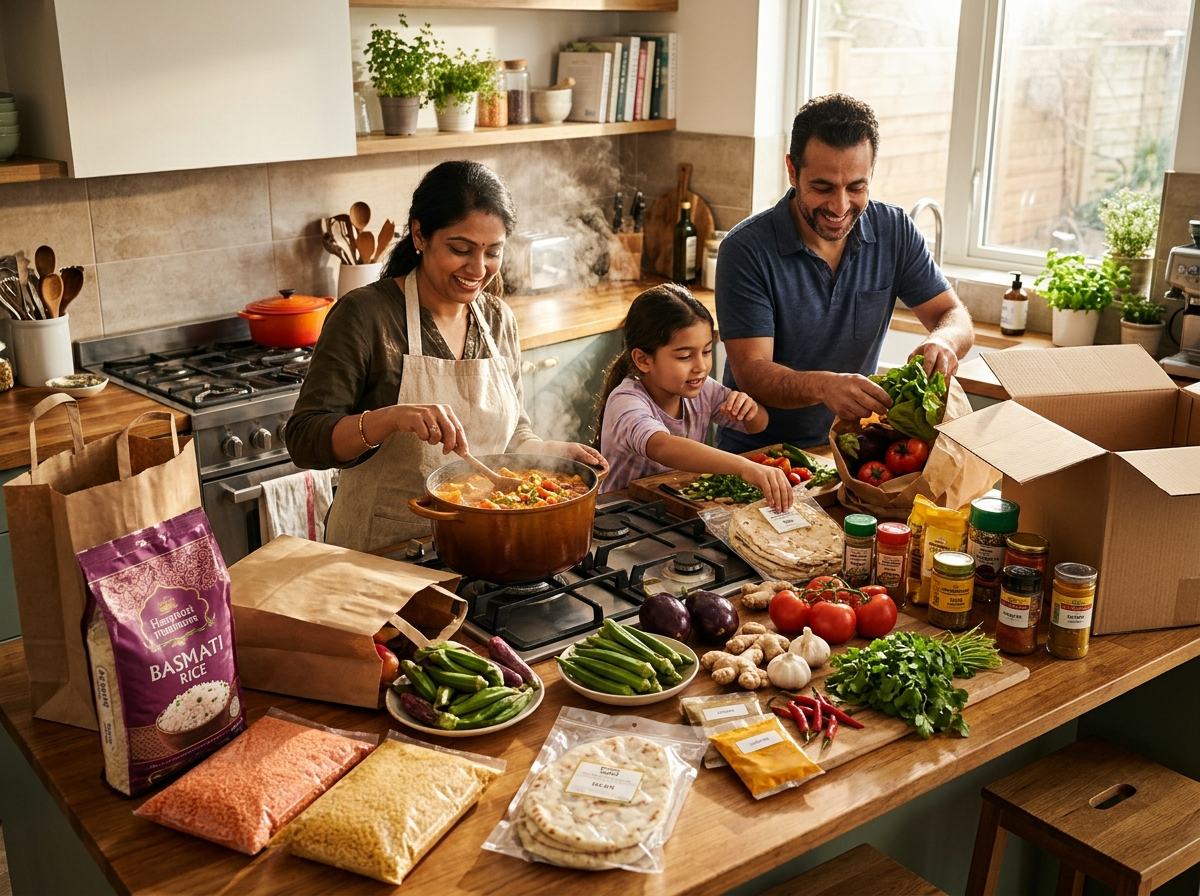
Bringing Global Ingredients into Everyday Kitchens
Home cooking is changing as families look for convenient ways to prepare meals that still feel familiar. Many people want the spices, grains, sauces, snacks, and specialty ingredients they grew up with. Yet those items may not be available at a nearby supermarket. Ethnic grocery delivery helps close that gap by making a wider range of foods easier to find and order.
For South Asian, Arab, and African households, the right ingredient can make a family recipe taste just as it should. A particular rice, lentil, spice blend, or cooking sauce can shape the whole dish. Online shopping gives home cooks another way to find these essentials without making several store visits.
How Ethnic Grocery Delivery Makes Meal Planning Easier
A well-planned grocery order can support several meals at once. Families can add pantry basics, fresh produce, dairy, frozen foods, and snacks to one basket. This makes it easier to plan a week of meals around what is already in the kitchen.
Keep Everyday Staples Close at Hand
Rice, atta, lentils, cooking oil, ghee, and spices form the base of many home-cooked meals. When these staples are easy to reorder, cooks can plan dishes such as dal, rice bowls, roti, curries, and stews with less last-minute shopping.
A useful online grocery delivery routine starts with a short list. Check what is running low, note the meals planned for the week, and add only the quantities the household can use. This can reduce forgotten items and help limit food waste.
More Choice for South Asian, Arab, and African Cooking
A standard supermarket may carry common ingredients, but it may not offer the exact products needed for regional recipes. A dedicated international grocery store can make it easier to explore ingredients from different food traditions in one place. It can also help shoppers discover products they may not find in their usual local shops.
A South Asian grocery list may include basmati rice, atta, dal, achar, masala blends, and familiar tea. Arab cooking may call for tahini, dates, olives, bulgur, or particular sauces. African meals can use specific grains, flours, seasonings, and pantry foods that vary by region. Having access to these choices helps families cook a wider range of dishes at home.
A South Asian grocery range can sit alongside Arab and African pantry choices, giving shoppers more options for preparing meals from different traditions.
Fresh Food and Pantry Items Can Work Together
Good home cooking is not only about shelf-stable products. Fresh vegetables, fruit, herbs, dairy, and meat often bring a meal together. Ordering these alongside pantry goods can help households build a more complete grocery list.
Plan Meals Around Fresh Produce
Think about the meals you want to prepare before adding produce to your basket. Tomatoes, onions, greens, coriander, mint, lemons, and seasonal vegetables can be used in several dishes. Choose amounts that match your household size and cooking plans.
For meat, fish, and frozen products, read the product description and storage instructions carefully. Check pack sizes and handling details, and refrigerate or freeze items promptly after delivery. These simple habits help maintain food quality at home.
Convenience Can Encourage More Home Cooking
Convenience does not have to mean relying on takeaway meals. Ready-to-cook mixes, frozen snacks, noodles, sauces, and prepared batters can save time on busy days. They can also serve as a starting point for a meal made more personal with fresh vegetables, herbs, or protein.
For example, dosa batter can make breakfast easier, while a spice mix can shorten preparation for a weeknight curry. Pasta, soup, or frozen snacks can help fill gaps in a busy schedule. Add a fresh side or salad to make the meal more balanced.
An online grocery delivery service can support this flexible approach when shoppers review ingredients, serving sizes, and cooking directions before ordering.
What to Check Before Placing an Order
A little care makes online grocery shopping more useful. Before checkout, review the product name, brand, weight, ingredients, and price. For foods linked to dietary needs, read the label and product information rather than relying on the category name alone.
Also check the delivery area, available time slots, fees, and order details shown at checkout. Delivery coverage can vary by retailer and location. If an item is important for a recipe, confirm that the selected product and size match what you need.
How the Store Fits into Changing Home-Cooking Habits
AUR serves customers in Washington, DC, Maryland, and Virginia with groceries for South Asian, Arab, and African households. Its online categories include vegetables and fruits, atta, rice and dal, oils and masalas, dairy, meat and fish, instant foods, snacks, drinks, and household essentials. Shoppers can browse these categories and check product details before placing an order.
For households in the service area, a planned grocery order can make it easier to bring everyday staples and familiar ingredients into the same shopping routine. The best approach is to plan meals, compare products, and check delivery availability for your ZIP code.
A More Flexible Way to Cook at Home
Home cooking is shaped by time, taste, budget, and access to ingredients. Online grocery shopping gives families another way to find the foods that make their meals personal. With a thoughtful list and careful product checks, ethnic grocery delivery can support both traditional recipes and new ideas in the kitchen.
The result is not a replacement for home cooking. It is a more flexible way to stock the kitchen, reduce extra shopping trips, and keep a wider range of flavors within reach.














Comments (0)