

Autism and Sensory Overload: Calming Tools to Use With a Weighted Blanket
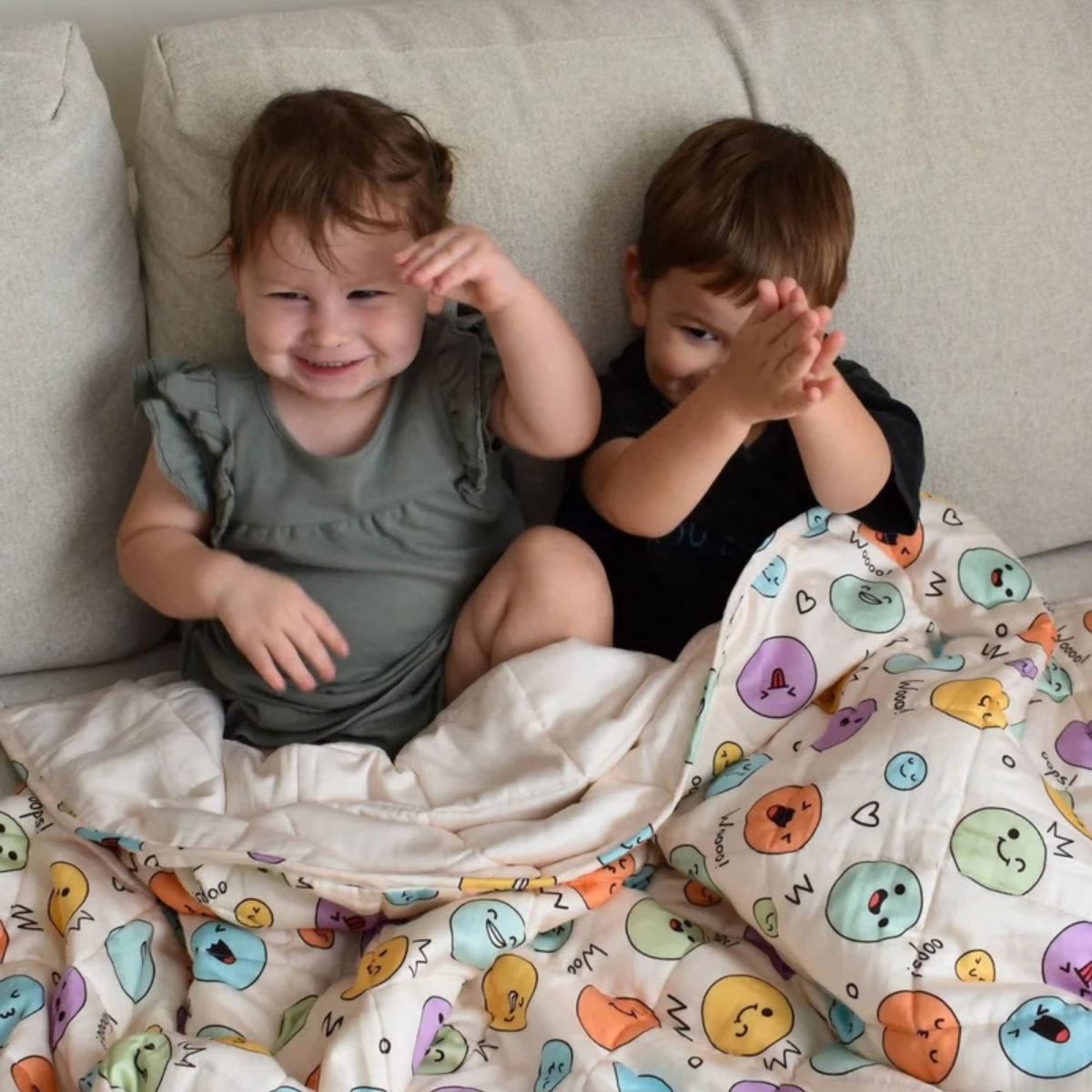
For many children with autism, everyday environments can feel far too intense. A humming fridge, a bright supermarket or a scratchy clothing tag can become overwhelming very quickly. A weighted blanket is a popular way to bring calm through deep pressure, but it works best as part of a wider toolkit. This guide explains what sensory overload is, how to spot it, and which calming tools pair well with a weighted blanket.
What Is Sensory Overload?
Sensory overload happens when the brain receives more sensory information than it can process comfortably. Sounds, lights, textures, smells and movement all compete for attention, and the nervous system struggles to keep up. Many people on the autism spectrum experience this more strongly because they may process sensory input differently.
Common Signs to Watch For
Every child is different, but some typical signs include:
- Covering the ears or eyes
- Becoming suddenly quiet or withdrawn
- Meltdowns, crying or shouting
- Running away from a situation
- Repetitive movements such as rocking or hand flapping
- Refusing certain clothes, foods or places
If you would like a broader explanation of how sensory differences work, our beginner's guide to sensory processing for parents is a helpful place to start.
Why Calm Comes Before Coping
It is easier for a child to use calming tools before they reach crisis point. Learning your child's early warning signs gives you time to step in gently, offer a quiet space and bring out the tools they like best.
How a Weighted Blanket Helps
A weighted blanket provides deep pressure, a firm, even touch that many people find soothing. Some families say it helps their child feel grounded and secure. Research on weighted blankets and autism is still limited and results vary, so it is best viewed as one helpful option rather than a cure or treatment.
Using It Safely
Safety always comes first, especially with children:
- A common guideline is about 10% of the child's body weight, though some manufacturers recommend staying slightly under.
- Weighted blankets are not recommended for children under 2.
- Your child should always be able to remove the blanket easily on their own.
- Check with a paediatrician or occupational therapist if your child has breathing, circulation or mobility concerns.
Calming Tools to Use Alongside a Weighted Blanket
No single tool works for every child. The aim is to build a small set of options your child can choose from.
Noise-Reducing Tools for Sound Sensitivity
Loud or unpredictable noises are one of the most common triggers. Noise-cancelling earmuffs soften background sound without blocking the world entirely, which is useful in shopping centres, classrooms and fireworks displays. You can explore soft, comfortable noise-cancelling earmuffs for kids designed for small heads and sensitive ears. Let your child try them at home first, so they feel familiar before using them in busier places.
Visual Calming Tools
Bright overhead lighting and clutter can add to overload. Helpful options include:
- Dimmable lamps or warm fairy lights
- Blackout curtains for bedtime
- Sunglasses or a cap for outdoor glare
- Simple, tidy storage to reduce visual noise
Touch and Fidget Tools
Hands often need something to do. Soft fabric swatches, therapy putty, textured balls and chewable jewellery designed for sensory needs can offer comfort. Offer a few options and rotate them so they stay interesting.
Movement and Body Tools
Many children regulate themselves through movement. A swing, a trampoline or a few minutes of jumping, pushing or carrying heavy items can help release built-up energy. After movement, settling under a weighted blanket often feels easier.
Create a Calm Space at Home
A dedicated spot gives your child somewhere predictable to retreat. It does not need to be big. A corner of the bedroom, a play tent or a space behind a sofa can work well.
What to Include
- A weighted blanket within easy reach
- Soft cushions or a beanbag
- Dim, warm lighting
- Earmuffs and a few fidget tools
- A favourite book or a quiet toy
Keep It a Positive Place
Never use the calm space as a punishment. It should feel like a safe choice your child can make whenever they need it. Involve them in setting it up, since choosing colours and items builds ownership and trust.
Tips for Using Calming Tools Successfully
Calming strategies work better when they are introduced thoughtfully.
- Introduce tools when your child is calm. New items are hard to accept in the middle of a meltdown.
- Follow their lead. If your child dislikes something, set it aside and try again later.
- Use visual supports. Picture cards showing the calm space or tools can help children who find words hard in stressful moments.
- Stay consistent. Predictable routines help children know what to expect.
- Watch and adjust. Needs change over time, so review your toolkit regularly.
When to Seek Extra Support
If sensory overload is affecting sleep, school, eating or daily life, consider speaking with an occupational therapist or your child's doctor. They can suggest personalised strategies, a sensory diet or other supports that suit your child's needs.
Final Thoughts
Sensory overload is not misbehaviour. It is a genuine response to a world that can feel too loud, bright and busy. A weighted blanket can be a comforting part of the solution, especially when it is paired with sound-reducing tools, gentle lighting, fidget items and a calm space of their own. Start small, follow your child's cues and be patient. Over time, you will build a toolkit that helps them feel safe, understood and in control.

Auteeze is a kids-focused online store offering thoughtfully designed sensory comfort products that support better sleep, relaxation, and emotional wellbeing. The range includes bamboo weighted blankets, memory foam pillows, and other child-friendly sensory essentials made to provide calmness and comfort. Each product is created with safe, soft, and high-quality materials to help children with sensory needs feel secure and sleep more peacefully every night.










Comments (0)