

Can Chemical Peels in Dubai Improve Skin Pigmentation?
Learn how chemical peels may improve certain pigmentation concerns, including dark spots, uneven tone, and superficial discoloration.
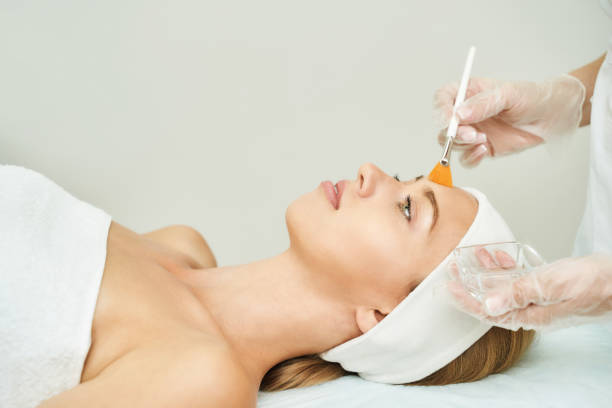
Yes, certain chemical peels may help improve the appearance of some types of skin pigmentation. They use exfoliating ingredients to remove accumulated surface cells, which can gradually reduce the visibility of superficial discoloration.
Pigmentation can develop for different reasons, including sun exposure, hormonal changes, ageing, and inflammation after acne. Because these conditions affect the skin differently, the same treatment may not produce the same results for everyone.
Chemical Peels in Dubai (التقشير الكيميائي في دبي) may be considered for selected pigmentation concerns after assessing the cause, depth, and appearance of the discolouration. Choosing an appropriate formulation is important because excessive irritation can sometimes make pigmentation worse.
Understanding Different Types of Skin Pigmentation
Before selecting a treatment, it helps to understand what type of pigmentation is present.
Sunspots and Age Spots
Sunspots are areas of increased pigmentation that commonly develop after repeated UV exposure. They may appear as flat brown patches on areas frequently exposed to sunlight, including the face, hands, and neck.
Some superficial sunspots may respond to chemical exfoliation. However, unusual, changing, or irregular spots should be medically assessed before cosmetic treatment.
Post-Inflammatory Hyperpigmentation
Post-inflammatory hyperpigmentation develops after skin inflammation or injury. Acne, irritation, and certain skin procedures can leave brown or darker marks after the original problem has healed.
Selected chemical peels may help improve superficial marks, but treatment needs to account for skin tone and the risk of further irritation.
Melasma
Melasma often appears as symmetrical brown or grey-brown patches, commonly on the cheeks, forehead, and upper lip. Hormonal influences and sunlight can contribute to its development.
Chemical peels may form part of a carefully selected treatment plan for some people with melasma. However, the condition can be persistent and may return, so sun protection and ongoing management are essential.
Uneven Skin Tone
Uneven pigmentation can make the complexion look patchy or inconsistent. It may result from a combination of sun exposure, previous inflammation, and natural skin changes.
A suitable peel may help improve some superficial colour differences, depending on their underlying cause.
How Do Chemical Peels Work on Pigmented Skin?
Chemical peels use ingredients that loosen the connections between dead surface cells. As these cells shed, the skin gradually renews its outer layer.
This process may help reduce the appearance of pigment concentrated near the skin's surface. Certain formulations can also improve rough texture and dullness that make pigmentation more noticeable.
However, not all pigment is located in the same skin layer. Deeper pigmentation may respond poorly to superficial exfoliation and may require a different treatment strategy.
Which Ingredients Are Used for Pigmentation Concerns?
Different peel ingredients have different properties. The selection should depend on the pigmentation type, skin sensitivity, and treatment objective.
Glycolic Acid
Glycolic acid is an alpha hydroxy acid that supports surface exfoliation. It may help improve dullness and some superficial pigmentation by encouraging the shedding of accumulated skin cells.
Its concentration should be selected carefully, particularly for skin that is prone to irritation.
Lactic Acid
Lactic acid is another alpha hydroxy acid used in exfoliating formulations. It may help improve surface texture and the appearance of mild discoloration.
Some formulations are considered when a more gradual exfoliation approach is preferred.
Salicylic Acid
Salicylic acid is a beta hydroxy acid that can penetrate oily pores and help remove accumulated debris. It is commonly considered when pigmentation occurs alongside acne or clogged pores.
It does not treat every type of pigmentation, so the underlying concern should be identified first.
Mandelic Acid
Mandelic acid is used in some formulations for controlled exfoliation. Its larger molecular structure allows it to penetrate more gradually than smaller-molecule acids such as glycolic acid.
Its suitability depends on the formulation and individual skin response rather than the ingredient name alone.
Can Chemical Peels Treat Deep Pigmentation?
Chemical peels are generally more predictable for selected superficial pigmentation than for deeper pigment changes. When pigment is located in deeper skin layers, exfoliating the surface may provide limited improvement.
Melasma and persistent post-inflammatory pigmentation can also return even after visible improvement. A broader management plan may be necessary, including appropriate skincare and consistent sun protection.
It is important to avoid aggressive treatments simply because pigmentation is difficult to address. Excessive inflammation can increase the risk of additional dark marks, particularly in skin that is more prone to post-inflammatory pigmentation.
Why Sun Protection Is Essential for Pigmentation Management
UV exposure can stimulate pigment production and make existing dark spots more noticeable. Without regular sun protection, improvements from treatment may be harder to maintain.
Use a broad-spectrum sunscreen with SPF 30 or higher and reapply according to its instructions. Hats, shade, and protective clothing can provide additional support when spending time outdoors.
Visible light may also contribute to melasma in some skin tones. A tinted sunscreen containing iron oxides may be worth discussing with a qualified skincare professional.
What to Expect During and After Treatment
Before a peel, the skin should be assessed to determine whether exfoliation is appropriate. The selected solution is then applied according to the treatment protocol.
Temporary tingling, warmth, redness, dryness, or flaking may occur. The intensity and recovery period depend on the peel's depth and formulation.
After treatment, use gentle skincare and avoid picking or scrubbing peeling areas. Follow the recommended instructions about moisturising, sun protection, and when to restart active ingredients.
Severe pain, blistering, increasing swelling, or worsening redness requires prompt medical assessment.
How Many Treatments May Be Needed?
There is no single number of treatments that suits every pigmentation concern. Some people may notice gradual improvement after one session, while others may need several carefully spaced treatments or a different approach.
The treatment schedule should consider the pigmentation type, skin response, and recovery between sessions. Repeating peels too frequently can cause irritation and may increase the risk of further discoloration.
Progress should be evaluated over time rather than judged immediately after exfoliation.
Final Thoughts on Chemical Peels for Skin Pigmentation
Chemical peels may improve selected superficial pigmentation concerns, but their effectiveness depends on the cause and depth of the discoloration. A careful assessment, suitable treatment selection, and consistent sun protection are important for managing uneven skin tone. If you are exploring Chemical Peels in Dubai, TAJMEELS DUBAI عيادة تجميل can be part of your research into personalised options for pigmentation concerns and long-term skin care.

Provide health services












Comments (0)