

What Happens During Professional Accident Repairs? A Complete Guide for Car Owners
A minor collision can leave you unsure what happens next. This guide follows the typical path of an accident repair, from first assessment and insurance steps through disassembly, structural and panel work, paint and final checks. It also explains how cosmetic damage differs from structural damage and what to inspect before you drive away.
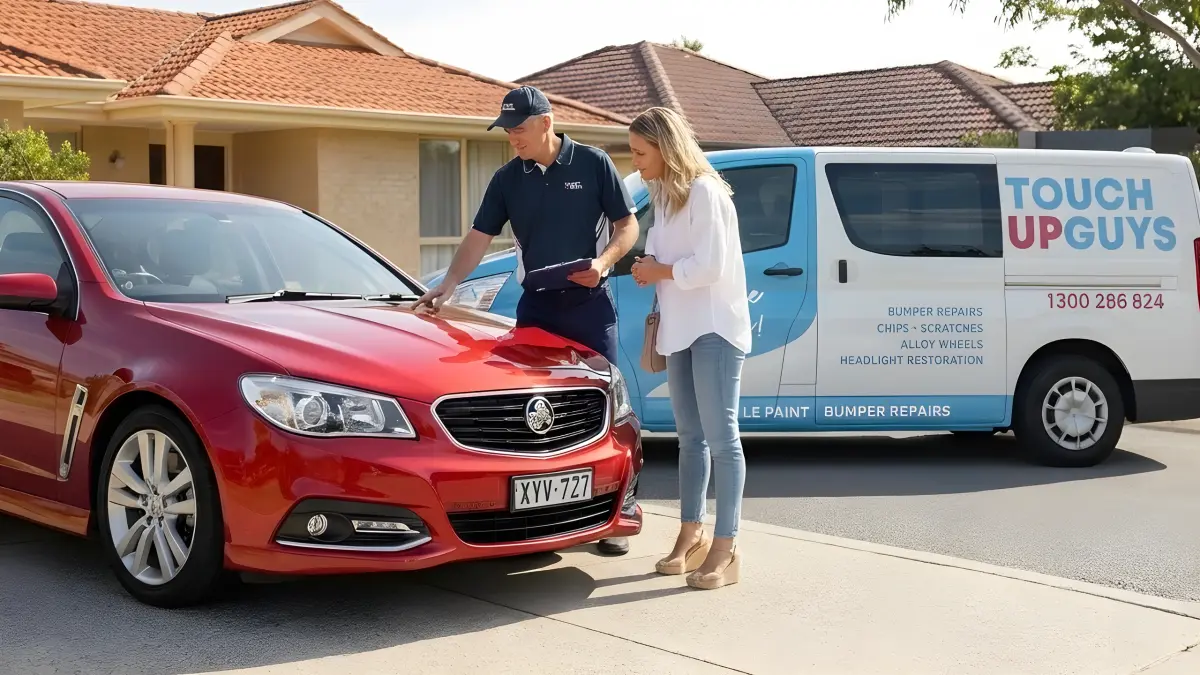
The hours after a collision are a blur. You exchange details, take a few photos, perhaps drive home with a crumpled corner or arrange a tow. Then comes the question that most people have never had to answer: what actually happens to the car now?
If you’ve never been inside a repairer’s workshop, the process can feel opaque. Knowing the usual steps makes it easier to ask good questions, spot problems and decide who should handle the work.
First steps after a collision
Before thinking about repairs, deal with the basics:
- Make sure everyone is safe and move to a safe place if you can.
- Check what reporting requirements apply in your state or territory, particularly if there were injuries or significant damage.
- Photograph the damage, the scene, number plates and any road signs.
- Swap details with the other driver and note any witnesses.
- Contact your insurer if you plan to claim, and ask what they require before repairs begin.
Cosmetic damage or structural damage?
This is the most important distinction in accident repair, because it decides what kind of repairer you need.
Cosmetic damage
This affects the outer appearance but not the strength of the vehicle: scuffs, scratches, small dents, paint transfer and cracked or scraped bumper covers. Many of these jobs are comparatively simple.
Structural and hidden damage
This involves the parts that keep the car rigid and safe in a crash: chassis rails, pillars, crumple zones, suspension mounting points and airbag or sensor systems. You can’t judge it by looking at the paint. Warning signs include:
- Doors, bonnet or boot that no longer close properly
- Uneven gaps between panels
- The car pulling to one side or an off-centre steering wheel
- New warning lights on the dash
- Unusual tyre wear after the incident
If you notice any of these, the car needs a proper inspection by a collision repairer with measuring equipment, not a quick cosmetic fix.
What happens in the workshop, step by step
Workshops differ, but a typical accident repair follows this sequence:
- Assessment and quote. The repairer inspects the car, photographs the damage and prepares a written estimate. Insurers may send their own assessor.
- Approval and parts ordering. Once the quote is approved, parts and paint materials are ordered. Lead times for parts can be the biggest factor in how long the repair takes.
- Disassembly. Damaged panels, bumpers and trims are removed. This often reveals extra damage that was hidden, which is why repair costs sometimes change after the first quote.
- Structural repair and measuring. If the frame is affected, the vehicle is secured to a bench and measured against manufacturer specifications.
- Panel repair or replacement. Repairable panels are reshaped; badly damaged ones are replaced.
- Preparation and painting. Panels are sanded, primed, colour-matched and sprayed, then clear coated. Adjoining panels are often blended so the colour looks consistent.
- Reassembly and recalibration. Parts, trims and lights are refitted. Cars with parking sensors, cameras or driver-assistance systems may need them checked or recalibrated.
- Quality check and clean. The repairer checks fit, finish and operation of lights, locks and sensors, then cleans the vehicle.
- Handover. You receive the car and, ideally, paperwork describing the work done and any warranty.
Smash repairs and crash repairs: does location matter?
Whether you’re searching for smash repairs in Brisbane, crash repairs in Adelaide or anywhere else, the steps above are largely the same. What varies is workshop capacity, parts availability and which repairers your insurer works with, so ask about turnaround times early.
It also helps to know where mobile cosmetic repairers fit in. Touch Up Guys lists operators in both Brisbane and Adelaide, but its work is aimed at minor cosmetic damage such as scuffs, chips, bumper damage and small dents, not structural collision repairs. Its SMART repair service is described as small-to-medium repair technology for damage that doesn’t need a full panel shop. If your car has structural or safety-system damage, a full collision repairer is the right choice.
Questions to ask before approving a repair
- Will you use genuine, aftermarket or recycled parts, and what are the differences?
- Will adjoining panels be blended for colour match?
- Do the sensors, cameras or airbags need checking or recalibration?
- How long will it take, and what could delay it?
- Is a courtesy car available?
- What warranty applies to the repair and what does it cover?
Checking the finished job
Take your time at handover. Inspect the car in daylight and look for:
- Even gaps between panels
- A consistent colour and gloss across repaired and original panels
- No paint texture, runs or dust specks in the finish
- Lights, sensors and warning indicators working normally
- Doors, bonnet and boot opening and closing smoothly
- Written documentation of the repair
Common mistakes to avoid
- Driving for weeks with suspected structural damage
- Accepting only a verbal estimate
- Choosing a repairer purely on price
- Ignoring small chips and cracks that let moisture reach bare metal
- Rushing the handover and finding problems later
Final thoughts
Accident repairs are easier to manage when you understand the order of events and know which questions to ask. Get the car assessed properly, be honest with yourself about whether the damage is cosmetic or structural, and choose a repairer who explains what they’re doing. For minor cosmetic damage, a mobile specialist may be a convenient option. For anything that might affect safety, go to a collision repairer.

Touch Up Guys are Australia's original mobile cosmetic car repair specialists, serving drivers since 1991. Our technicians come to your home or workplace to repair bumper scuffs, scratches, paint damage and minor dents on all makes and models. No workshop drop-off, fast turnaround and free, no-obligation quotes. Learn more at https://www.touchupguys.com.au









Comments (0)