

Rediscovering Balance Through Yoga, Devotion and Nature-Based Living
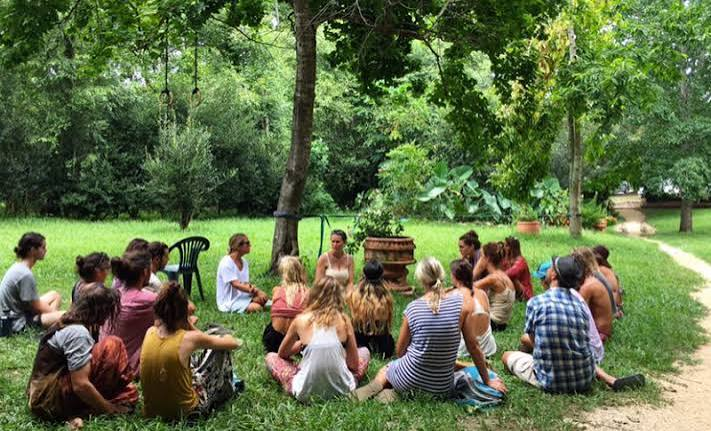
Modern life often leaves little room for slowing down. Between work responsibilities, digital distractions and everyday commitments, people can find it difficult to make time for personal reflection and wellbeing. While a short holiday may offer a temporary break, a holistic yoga retreat provides an opportunity to explore a more mindful way of living.
A yoga retreat is not simply about practising physical postures or learning meditation techniques. It can also introduce participants to healthier daily routines, conscious eating, meaningful connections and a deeper understanding of themselves. By combining these elements in a peaceful natural environment, a retreat can offer an experience that extends beyond the time spent away.
1. Understanding the Holistic Approach to Yoga
Yoga is often associated with flexibility, balance and physical exercise. However, traditional yoga encompasses much more than movement. It also explores the relationship between the body, mind, personal discipline and spiritual awareness.
A holistic yoga experience brings different practices together to support a balanced lifestyle. These may include physical yoga, breathing exercises, meditation, philosophical discussions, mindful activities and conscious food choices.
At an immersive retreat, participants can experience these practices as part of their everyday routine rather than treating them as separate activities. This creates an opportunity to understand how small lifestyle changes can influence daily habits and personal awareness.
For beginners, a retreat can provide an introduction to yoga in a supportive environment. More experienced practitioners may appreciate the opportunity to explore their practice in greater depth.
2. Why the Natural Environment Matters
The environment in which people spend their time can influence how they experience a retreat. Busy urban surroundings often involve traffic, noise, crowded spaces and constant digital interruptions. A natural setting can offer a different atmosphere for rest, reflection and outdoor activities.
Located in the Northern Rivers region of New South Wales, between Byron Bay and the Gold Coast, Krishna Village offers an eco-yoga community experience within a large farm environment.
The natural surroundings provide opportunities to enjoy peaceful walks, spend time outdoors and experience community living away from the usual demands of city life.
Being surrounded by nature can also encourage people to become more aware of their daily habits. Simple activities such as walking through gardens, enjoying outdoor views or taking time to read can become meaningful parts of a mindful routine.
3. Exploring Different Yoga Practices
A well-rounded yoga retreat can introduce participants to different approaches rather than focusing on a single style.
Some common practices include:
Vinyasa Yoga: This style connects movement with breathing through a flowing sequence of postures. It can help participants develop coordination, body awareness and concentration.
Restorative Yoga: This practice uses supported and gentle postures to encourage relaxation. It may appeal to people who prefer a slower-paced session.
Meditation: Meditation encourages participants to observe their thoughts and develop greater awareness of the present moment. Regular practice can become a useful part of a daily mindfulness routine.
Bhakti Yoga: Often described as the yoga of devotion, Bhakti Yoga focuses on cultivating love, gratitude and a connection with the Divine. It may include mantra meditation, devotional music and other spiritual practices.
At Krishna Village, the daily programme includes yoga classes, with styles such as Vinyasa and Restorative Yoga, alongside activities that introduce guests to different aspects of yogic living.
4. The Role of Kirtan and Mantra Meditation
Kirtan is a traditional devotional practice involving the singing or chanting of mantras. It is an important part of Bhakti Yoga and offers a different experience from silent meditation.
Rather than concentrating only on stillness, participants engage with rhythm, sound and repetition. Kirtan is commonly practised in a group, creating an opportunity for shared participation and connection.
Mantra meditation can also provide a simple structure for focusing attention. Repeating a mantra gives the mind something specific to return to when distractions arise.
For people unfamiliar with these traditions, participating in Kirtan can be a way to explore the cultural and philosophical aspects of yoga. It does not require advanced physical ability, making it accessible to people interested in learning about devotional practices.
Krishna Village incorporates Kirtan and mantra singing into its regular retreat activities, giving guests an opportunity to experience Bhakti culture as part of daily life.
5. Understanding Ayurveda and Conscious Eating
Food is another important element of a holistic lifestyle. The choices people make about what they eat, how they prepare meals and when they eat can influence their everyday routines.
Ayurveda is a traditional system of knowledge that explores wellbeing through lifestyle, diet and individual habits. Within a yoga retreat, introductory Ayurvedic discussions can help participants understand traditional perspectives on food, daily routines and balance.
Conscious eating is also about developing a better relationship with food. This may involve eating without unnecessary distractions, appreciating ingredients and choosing meals that suit individual dietary needs.
At Krishna Village, meals are prepared around vegetarian and vegan options, with three meals served daily for guests. The food programme includes dishes such as kitchari, vegetable preparations, salads, lentils, rice and fresh fruit.
Sharing meals in a community setting can also become an important part of the retreat experience. It creates opportunities for conversation and allows participants to enjoy simple, nourishing food together.
6. Community Living and Personal Growth
One of the distinguishing features of an eco-yoga retreat is the opportunity to experience community life. Instead of spending the entire retreat independently, guests can meet people from different backgrounds who share an interest in personal development, yoga and mindful living.
Community activities may include group classes, shared meals, workshops, conversations and opportunities to participate in everyday responsibilities.
At Krishna Village, the experience is connected with a wider eco-yoga community and the principles of Bhakti culture. Guests can explore different activities according to their interests and comfort levels.
This environment can encourage people to reflect on their usual routines, develop new perspectives and learn from others. It also highlights the importance of kindness, cooperation and meaningful human connection.
7. Choosing Accommodation That Suits Your Retreat
Accommodation plays an important role in creating a comfortable retreat experience. Different travellers have different expectations depending on their budget, privacy requirements and preferred style of stay.
Some people enjoy camping because it allows them to remain close to the natural environment. Others may prefer a private room or cabin where they can enjoy additional privacy.
Krishna Village offers several accommodation options, including camping areas, powered van sites, budget rooms, cottages, guesthouse rooms and private cabins. Facilities and amenities vary depending on the accommodation selected.
Before booking, visitors should consider the location of their accommodation in relation to the yoga hall, dining areas and shared facilities. As the retreat is spread across a natural farm setting, some walking between facilities may be required.
Reviewing the available accommodation options in advance can help guests choose a stay that matches their needs and expectations.
8. Bringing Mindfulness into Everyday Life
The value of a retreat does not have to end when the stay is over. Many of the practices introduced during a retreat can be adapted to everyday routines.
For example, people can begin their mornings with a short yoga session, include a few minutes of meditation in their schedule or make more conscious food choices.
Other simple habits include:
- Taking regular breaks from digital devices.
- Spending time outdoors whenever possible.
- Practising gratitude and self-reflection.
- Creating a consistent sleep and morning routine.
- Making time for activities that encourage learning and personal development.
- Staying connected with supportive and like-minded people.
It is important to approach these changes gradually. Rather than trying to transform every aspect of daily life at once, choosing a few realistic habits can make it easier to maintain a balanced routine.
9. Finding a Retreat That Matches Your Interests
Not every retreat offers the same experience. Some focus mainly on physical yoga, while others include meditation, spiritual learning, workshops, community activities and traditional lifestyle practices.
Before choosing a retreat, consider what you want to gain from the experience. You may be interested in improving your yoga practice, exploring meditation, learning about Ayurveda or simply taking time away from your regular routine.
It is also worth reviewing the daily schedule, accommodation arrangements, meal inclusions, participation expectations and any relevant health or accessibility information.
For those interested in a broader experience, Krishna Village provides opportunities to participate in daily yoga classes, Kirtan, Yogic Living sessions, workshops and community activities. Visitors can explore the available yoga retreats and courses to find an experience that suits their interests.
Conclusion
A holistic yoga retreat offers more than a temporary change of scenery. It provides an opportunity to explore different practices, understand traditional approaches to mindful living and experience the value of community.
Through yoga, meditation, Kirtan, conscious eating and time spent in nature, participants can discover practical ways to bring greater awareness into their everyday lives.
Whether someone is new to yoga or already has an established practice, choosing a retreat that combines learning, relaxation and community can create a meaningful experience. The most valuable outcome may be the simple realisation that mindful living is not limited to a retreat environment; it can become part of everyday life.
Krishna Village is an eco-yoga community and retreat Centre in Northern NSW, Australia, located between Byron Bay and the Gold Coast. Set within a beautiful organic farm and surrounded by nature, Krishna Village provides a welcoming space for people to slow down, reconnect with themselves and experience a more mindful and balanced way of living.













Comments (0)