

Plasma Injection for Hairs in Dubai for Hair Thinning
Discover how plasma injection for hairs in Dubai may help people experiencing hair thinning. Explore PRP therapy, follicle support, treatment suitability, and expected results.
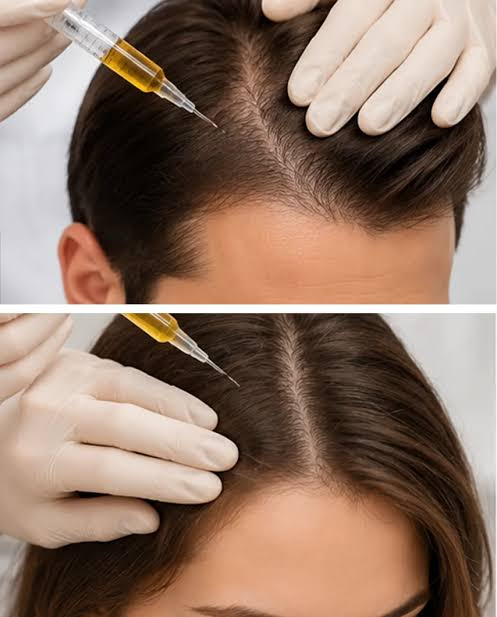
Hair thinning often develops gradually, making it difficult to recognise changes until the scalp becomes more visible or hairstyles lose their previous volume. Factors such as genetics, hormonal fluctuations, ageing, nutritional deficiencies, and environmental stressors can contribute to weaker hair density. For individuals exploring non-surgical solutions, plasma injection for hairs in Dubai (حقن البلازما للشعر في دبي) is an option that focuses on supporting existing hair follicles.
The treatment uses platelet-rich plasma (PRP), which is prepared from the individual's blood and contains concentrated platelets and growth factors. These biological components are being studied for their potential role in supporting hair follicle activity. Understanding how the procedure relates to hair thinning can help individuals decide whether it deserves consideration.
Understanding the Connection Between Hair Thinning and Plasma Therapy
Hair thinning occurs when individual strands become finer, the growth cycle changes, or fewer hairs remain in the active growth phase. In some conditions, hair follicles gradually shrink and produce shorter, thinner strands.
Plasma injection for hairs in Dubai is designed to introduce concentrated platelets into selected scalp areas. Platelets release growth factors involved in tissue repair and cellular signalling.
Researchers have investigated whether these factors can support the biological environment around hair follicles. Some clinical studies suggest potential improvements in hair density and thickness, particularly in individuals with pattern hair loss. However, outcomes differ, and the treatment does not work equally well for every cause of thinning.
How Does Hair Thinning Develop?
Understanding the reasons behind reduced hair volume is important before selecting a treatment.
Genetic Hair Follicle Sensitivity
Genetic factors can make hair follicles sensitive to hormonal influences, particularly dihydrotestosterone (DHT). Over time, affected follicles may become smaller and produce progressively finer strands.
This process is commonly associated with male and female pattern hair loss.
Hormonal Fluctuations
Changes in hormone levels can influence the hair growth cycle. Pregnancy, menopause, thyroid disorders, and certain hormonal conditions may contribute to changes in hair density.
Nutritional Deficiencies
Insufficient iron, protein, zinc, and other essential nutrients may affect normal hair growth. Identifying and addressing a deficiency can be important when investigating unexplained thinning.
Stress and Lifestyle Factors
Physical or emotional stress can trigger excessive shedding in some individuals. Poor sleep, restrictive diets, and certain lifestyle habits may also affect general hair health.
How Plasma Injection for Hairs in Dubai May Help Thinning Hair
PRP therapy is being studied as a supportive approach for certain types of hair loss. Its potential benefits relate to the growth factors released by concentrated platelets.
Supporting the Hair Growth Environment
Platelets contain biological substances that participate in cellular communication and tissue maintenance. When introduced into selected scalp areas, these growth factors may influence the environment surrounding existing follicles.
Potential Improvement in Hair Density
Some research has reported increased hair density following PRP treatment in people with androgenetic alopecia. This may contribute to a fuller-looking appearance in suitable individuals.
However, the degree of improvement varies, and some people may experience limited changes.
Supporting Hair Shaft Thickness
Hair thinning can involve the gradual production of finer strands. Research suggests that PRP may improve hair shaft thickness in certain individuals, although further studies are needed to establish consistent outcomes.
A Minimally Invasive Treatment Approach
The procedure does not involve surgical removal or transplantation of hair follicles. Instead, concentrated plasma is delivered through small injections into selected areas of the scalp.
This makes it an option for individuals interested in exploring non-surgical hair restoration.
Which Areas of the Scalp Can Be Treated?
Treatment areas depend on the individual's hair loss pattern and scalp condition.
The crown is a common area where gradual thinning occurs, particularly in people with pattern hair loss. Some individuals also experience reduced density around the frontal scalp or a widening central part.
In women, diffuse thinning may affect larger sections of the scalp. In men, changes may be more noticeable around the temples and crown.
The treatment plan should be based on an examination of the affected areas rather than following the same injection pattern for everyone.
What Is the Treatment Procedure Like?
The process generally begins with collecting a small blood sample. The sample is placed in a centrifuge to separate the blood components and prepare the platelet-rich plasma.
The scalp is cleaned, and a numbing method may be used to reduce discomfort. The prepared plasma is then injected into the areas affected by thinning.
A typical appointment may take approximately 30 to 60 minutes, depending on the size of the treatment area and preparation process.
Temporary tenderness, redness, or mild swelling can occur following the injections.
When Can Thinning Hair Start Showing Improvement?
Hair restoration is gradual, so immediate changes should not be expected. Some individuals may notice differences in shedding or hair thickness after several months.
The outcome depends on follicle health, the underlying cause of thinning, treatment frequency, and personal biological response.
Consistent photographs can help monitor changes in scalp coverage and hair volume. It is also important to remember that PRP cannot guarantee complete restoration of lost hair.
Is Plasma Therapy Suitable for Every Type of Hair Thinning?
No. The treatment may be considered for selected individuals with pattern hair loss, but different causes of thinning require different approaches.
For example, nutritional deficiencies may need correction, while autoimmune hair conditions may require specific medical management. Scarring hair loss can permanently damage follicles, limiting the potential benefits of PRP.
A proper evaluation helps distinguish between these conditions and identify the most appropriate treatment strategy.
Ways to Maintain Healthier Hair Alongside Treatment
Hair care habits can support overall scalp and hair health. Maintaining a balanced diet with adequate protein and essential nutrients is important for normal hair growth.
Avoiding excessive heat styling, harsh chemical treatments, and tight hairstyles may help reduce preventable hair damage. Managing stress and maintaining a consistent sleep routine can also contribute to general wellbeing.
If thinning continues despite these measures, investigating possible medical or hormonal causes is worthwhile.
Final Thoughts
Managing thinning hair requires an approach that considers the underlying cause, follicle condition, and long-term hair health. Plasma injection for hairs in Dubai may help support hair density and strand thickness in selected individuals, particularly when functioning follicles remain. Although research shows encouraging potential, results vary and should not be guaranteed. TAJMEELS DUBAI عيادة تجميل provides an opportunity to explore plasma-based hair restoration and understand how this treatment may fit individual hair improvement goals.

Provide health services










Comments (0)