

Building Supplies: Essential Materials for Every Construction and Home Improvement Project
Whether you are undertaking a major construction project, renovating a property, or completing smaller home improvements, choosing the right building supplies is essential for achieving reliable and long-lasting results. Every successful project depends on quality materials, suitable fixings, and the correct products for each stage of construction. From structural components and timber to screws, adhesives, and finishing materials, having access to dependable building supplies helps keep work efficient, safe, and within budget.

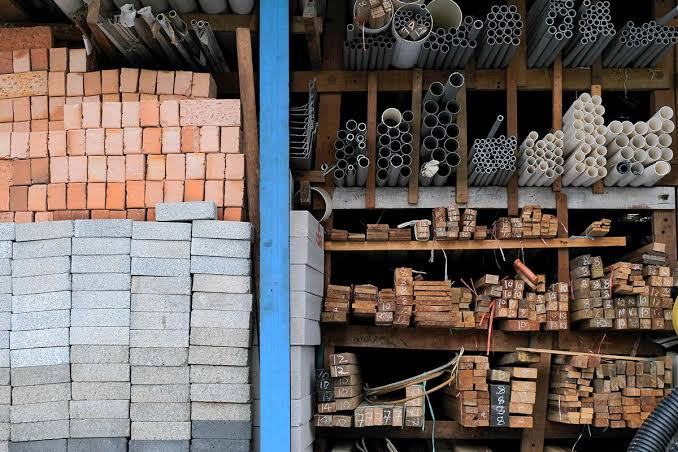
Whether you are undertaking a major construction project, renovating a property, or completing smaller home improvements, choosing the right building supplies is essential for achieving reliable and long-lasting results. Every successful project depends on quality materials, suitable fixings, and the correct products for each stage of construction. From structural components and timber to screws, adhesives, and finishing materials, having access to dependable building supplies helps keep work efficient, safe, and within budget.
For builders, tradespeople, contractors, and DIY enthusiasts, understanding which materials are needed can make a significant difference to the overall quality of a finished project.
What Are Building Supplies?
Building supplies cover a wide range of materials, products, and equipment used in construction, renovation, maintenance, and property improvement. These products support different stages of a project, from preparing foundations and constructing structural elements to installing fixtures and completing decorative finishes.
Common categories of building supplies include:
-
Timber and sheet materials: Used for structural frameworks, flooring, roofing, partitions, and general carpentry.
-
Building fixings and fasteners: Screws, bolts, nails, anchors, and other products used to connect and secure materials.
-
Construction materials: Cement, mortar, aggregates, plasterboard, insulation, and other essential products.
-
Roofing supplies: Materials and accessories used to construct, repair, and maintain roof structures.
-
Landscaping supplies: Products for outdoor construction, garden improvements, fencing, and paving projects.
-
Sealants and adhesives: Used for bonding materials, filling gaps, and creating weather-resistant joints.
Selecting suitable products for each application is important. Different materials have different strength characteristics, installation requirements, and environmental limitations.
Choosing the Right Building Supplies for Your Project
Before purchasing materials, it is worth considering the specific requirements of your project. Not every product is suitable for every application, and choosing based solely on price can lead to unnecessary repairs or premature material failure.
1. Consider the Application
Start by identifying how and where each product will be used. Structural applications generally require materials with appropriate load-bearing capabilities, while decorative projects may prioritise appearance, ease of installation, and finish quality.
For example, timber used in an external structure may require suitable treatment to withstand moisture and changing weather conditions. Similarly, fixings used for masonry installations must be designed for the relevant substrate.
Always check product specifications and manufacturer recommendations before selecting materials.
2. Prioritise Material Quality
Quality is an important consideration when sourcing building supplies. Materials that are manufactured to consistent standards are generally easier to work with and provide more predictable performance.
For fixings, this means considering factors such as material composition, corrosion resistance, dimensions, thread design, and load capacity. For timber and sheet materials, thickness, grade, moisture content, and intended application should all influence the purchasing decision.
Choosing appropriate materials from the beginning can reduce installation problems and long-term maintenance requirements.
3. Check Compatibility
Construction materials frequently work together, which makes compatibility particularly important.
For instance, selecting the correct screw depends on the materials being joined, the required holding strength, and the installation environment. A fixing suitable for timber may not provide the same performance in concrete, brickwork, or metal.
Consider the complete installation rather than purchasing individual products without checking how they will work together.
Essential Building Fixings and Their Applications
Fixings are among the most important products in any construction or renovation project. They provide the connections that hold materials together, secure components in position, and contribute to the stability of finished installations.
Some commonly used options include:
Wood Screws: Designed for joining timber components, attaching fittings, and completing general carpentry work. Different head styles, lengths, and thread configurations are available for specific applications.
Construction Screws: Heavy-duty fasteners used for demanding building applications, including timber framing and structural connections where the appropriate product specification permits.
Drywall Screws: Specifically designed for securing plasterboard to suitable timber or metal frameworks. Their dimensions and thread designs help provide an effective installation.
Masonry Fixings: Used for attaching components to materials such as concrete, brick, and blockwork. Depending on the application, options include masonry screws, expansion anchors, and frame fixings.
Bolts and Nuts: Provide mechanical connections for applications requiring secure fastening and, where appropriate, the ability to dismantle components.
When selecting fixings, always consider the substrate, installation conditions, expected loads, and relevant technical guidance.
Building Supplies for Indoor and Outdoor Projects
The environment in which materials are installed can significantly affect their performance. Indoor and outdoor projects often require different product characteristics.
Indoor Construction and Renovation
Interior projects may involve installing plasterboard, building partition walls, fitting flooring, constructing furniture, or updating kitchens and bathrooms.
Commonly required materials include timber, plasterboard, insulation, drywall screws, wood screws, adhesives, and general-purpose construction fixings.
For kitchens and bathrooms, moisture exposure should also be considered. Materials and fixings should be suitable for the conditions in which they will be installed.
Outdoor Construction and Landscaping
External projects introduce additional challenges, including rain, temperature changes, UV exposure, and moisture.
Decking, fencing, garden structures, sheds, and outdoor renovations require materials selected for their ability to withstand these conditions.
Corrosion-resistant fixings are particularly important in exposed environments. Stainless steel screws, for example, may be appropriate for certain external applications. However, the correct stainless steel grade depends on the environment, with coastal and highly corrosive locations potentially requiring higher corrosion resistance.
Timber treatment, drainage, and appropriate installation techniques also contribute to the durability of outdoor structures.
How to Calculate the Materials You Need
Accurate material planning helps prevent unnecessary purchases, reduce waste, and keep construction projects organised.
Begin by measuring the area or dimensions of the intended installation. For example, when calculating flooring or wall materials, determine the total surface area before estimating the required quantity.
For timber projects, consider the length, width, and number of components required. For fixings, calculate the number of connection points and follow the manufacturer's recommended spacing and installation guidance.
It is also sensible to allow for a reasonable amount of additional material to account for cutting, damage, and unexpected adjustments.
However, ordering excessive quantities can increase costs and create storage problems. A detailed materials list makes it easier to balance availability with actual project requirements.
Why Buy Building Supplies from a Reliable Supplier?
Finding a dependable supplier is an important part of managing construction work. Builders and DIY customers need access to products that meet their requirements, clear product information, and a straightforward purchasing experience.
A reliable building supplies supplier should offer:
-
A practical selection of construction materials and fixings.
-
Clear product descriptions and technical specifications.
-
Options for different project sizes and applications.
-
Consistent product quality.
-
Convenient ordering and delivery arrangements.
-
Helpful information to support purchasing decisions.
Having multiple essential products available from one supplier can also simplify procurement. Instead of sourcing every fixing and construction accessory separately, customers can organise more of their requirements through a single supplier.
UK Fixings Direct provides access to building fixings and construction-related products for customers working across a variety of building, maintenance, and improvement projects.
Common Mistakes to Avoid When Buying Building Supplies
Even experienced tradespeople can encounter problems when ordering construction materials. Avoiding a few common mistakes can help improve project efficiency.
Choosing products based only on price: Lower-cost materials are not always the most economical option over the long term. Consider product suitability, durability, and expected performance.
Ignoring technical specifications: Dimensions, load ratings, material grades, and installation requirements should always be checked before purchasing.
Using unsuitable fixings: Different substrates require different fastening solutions. Using the wrong screw or anchor can compromise the installation.
Underestimating quantities: Insufficient materials can cause project delays, while excessive ordering increases costs and waste.
Overlooking environmental conditions: Outdoor installations require appropriate consideration of moisture, corrosion, and temperature exposure.
Taking time to plan purchases and review product specifications helps prevent avoidable complications.
Final Thoughts
Successful construction and renovation projects start with choosing the right materials. From timber and structural components to screws, anchors, and specialist building fixings, every product contributes to the safety, functionality, and durability of the finished result.
When sourcing building supplies, focus on quality, compatibility, application requirements, and reliable product information rather than price alone. Careful planning and selecting suitable materials can make construction work more efficient while helping reduce future maintenance and repair costs.
Whether you are a professional contractor, an experienced tradesperson, or a homeowner tackling a DIY project, UK Fixings Direct can help you source essential building fixings and construction products for a wide range of applications.










Comments (0)