

Rhinoplasty in Dubai: Is It Right for You?
Considering Rhinoplasty in Dubai? Explore suitability, common nasal concerns, health considerations, surgical expectations, and recovery requirements.
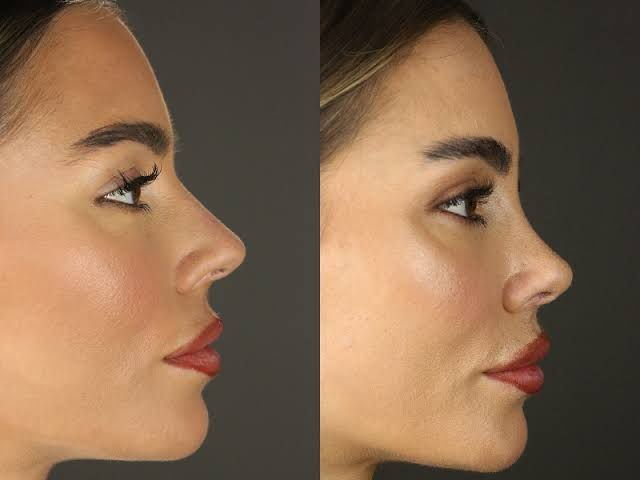
Deciding whether to change the shape or structure of your nose is a personal choice that requires careful consideration. Some individuals are unhappy with a prominent nasal bridge, while others want to improve tip definition, correct asymmetry, or address breathing difficulties. Rhinoplasty in Dubai offers a surgical option for people who want to explore these changes according to their individual needs. However, understanding personal suitability, medical considerations, and realistic outcomes is essential before making a decision.
Understanding Your Reasons for Considering Rhinoplasty
The first step is identifying what you want to improve. Having a clear reason can help establish whether surgical nose reshaping is appropriate.
Some individuals are concerned about the appearance of a dorsal hump or a broad nasal tip. Others may have experienced an injury that changed the alignment of their nose.
Functional concerns can also influence the decision. A deviated septum or other internal structural abnormalities may contribute to persistent nasal obstruction.
Understanding whether your primary concern is aesthetic, functional, or both can help guide the evaluation process.
Who Is Generally a Suitable Candidate?
Rhinoplasty may be considered by individuals who have completed most facial growth, are in suitable general health, and understand what the procedure can realistically achieve.
People should have specific concerns they want to address rather than expecting surgery to completely transform their appearance.
Emotional readiness is also important. The decision should be based on personal preferences and realistic goals rather than external pressure or temporary beauty trends.
A detailed assessment is necessary to determine whether the procedure is appropriate.
Nasal Concerns That May Make You Consider Surgery
Different nasal features can influence someone's interest in reshaping.
A Prominent Nasal Hump
A visible bump along the bridge can create an uneven side profile. Some individuals consider reshaping to achieve a smoother contour.
A Bulbous Nasal Tip
A rounded or broad tip may appear less defined. Selected structural modifications can help refine its appearance.
Uneven Nasal Alignment
Asymmetry may result from natural development, previous injuries, or structural differences. Surgical correction may improve alignment in suitable cases.
Wide Nostrils
Some individuals feel that their nostrils appear disproportionate to the rest of their nose. Specific adjustments may help create more balanced proportions.
Breathing Difficulties
Persistent nasal obstruction may be associated with internal structural problems. An appropriate assessment can help identify whether functional correction is necessary.
Does Your General Health Matter?
General health is an important factor when considering any surgical procedure. Certain medical conditions may affect anaesthesia, bleeding, wound healing, or postoperative recovery.
Medications, allergies, previous operations, and smoking habits should be discussed during the preoperative assessment.
Smoking and nicotine exposure can interfere with tissue healing and increase complications. Individuals may receive specific instructions about stopping these products before and after surgery.
Being medically suitable helps reduce avoidable risks, although no operation is completely risk-free.
Are Your Expectations Realistic?
Realistic expectations are essential when deciding whether rhinoplasty is right for you.
The procedure can modify selected nasal features, but it cannot guarantee perfect symmetry or reproduce another person's nose exactly.
Your existing bone structure, cartilage strength, skin thickness, and facial proportions influence the possible changes. Some concerns may require more extensive modifications than others.
It is helpful to focus on achievable improvements that complement your natural appearance rather than expecting an entirely different facial structure.
Understanding Different Surgical Options
The appropriate surgical approach depends on the nasal changes required.
Open rhinoplasty uses an incision across the columella to provide greater visibility of the underlying nasal framework. It may be useful for complex structural adjustments.
Closed rhinoplasty involves incisions inside the nostrils and may be appropriate for selected modifications that do not require an external approach.
Functional procedures may also be considered when internal abnormalities affect breathing. The selected method should reflect individual anatomy and surgical objectives.
Are You Prepared for the Recovery Period?
Rhinoplasty requires a recovery period during which the nose gradually heals and settles into its modified shape.
Initial swelling, bruising, and temporary congestion are common. A protective splint may be used during the first stage of healing.
Many people resume routine activities gradually, depending on their recovery and postoperative instructions. However, strenuous exercise and activities that risk impact to the nose should be avoided until appropriate clearance is provided.
The final appearance develops over several months, and subtle swelling may take a year or longer to disappear.
Understanding the Possible Risks
Before deciding on surgery, it is important to understand that rhinoplasty carries potential complications.
These may include bleeding, infection, anaesthesia-related complications, scarring, persistent swelling, changes in sensation, breathing problems, or dissatisfaction with the outcome.
In some cases, additional surgery may be considered if structural or aesthetic concerns remain. Understanding these possibilities helps create a balanced decision.
Questions to Consider Before Making Your Decision
Before proceeding, think about whether your concerns are specific and longstanding, whether you understand the limitations of surgery, and whether you can comfortably manage the recovery period.
Consider whether your goals are based on personal preferences and whether you are prepared for the possibility that the final result may differ from your initial expectations.
Taking time to understand these points can help you make a more informed choice.
Final Thoughts
Deciding whether nose reshaping is appropriate involves considering your aesthetic goals, health, nasal anatomy, and expectations. It is important to understand both the potential improvements and the responsibilities associated with surgical recovery. Individuals exploring Rhinoplasty in Dubai can learn more about personalised possibilities through TAJMEELS CLINIC, while keeping their natural facial characteristics and individual requirements in mind.
For More Details, Contact Us Through:
WhatsApp: +971 56 203 8751
Phone: +971 4 373 9000
Social Media:

Provide health services











Comments (0)