

How Does Sweat Affect a Leather Motorcycle Vest?
How Does Sweat Affect a Leather Motorcycle Vest? Sweat can cause salt buildup, unpleasant odors, discoloration, and gradual damage to a leather motorcycle vest. Regular cleaning, proper ventilation, and leather conditioning help maintain its softness, appearance, and long-lasting durability.

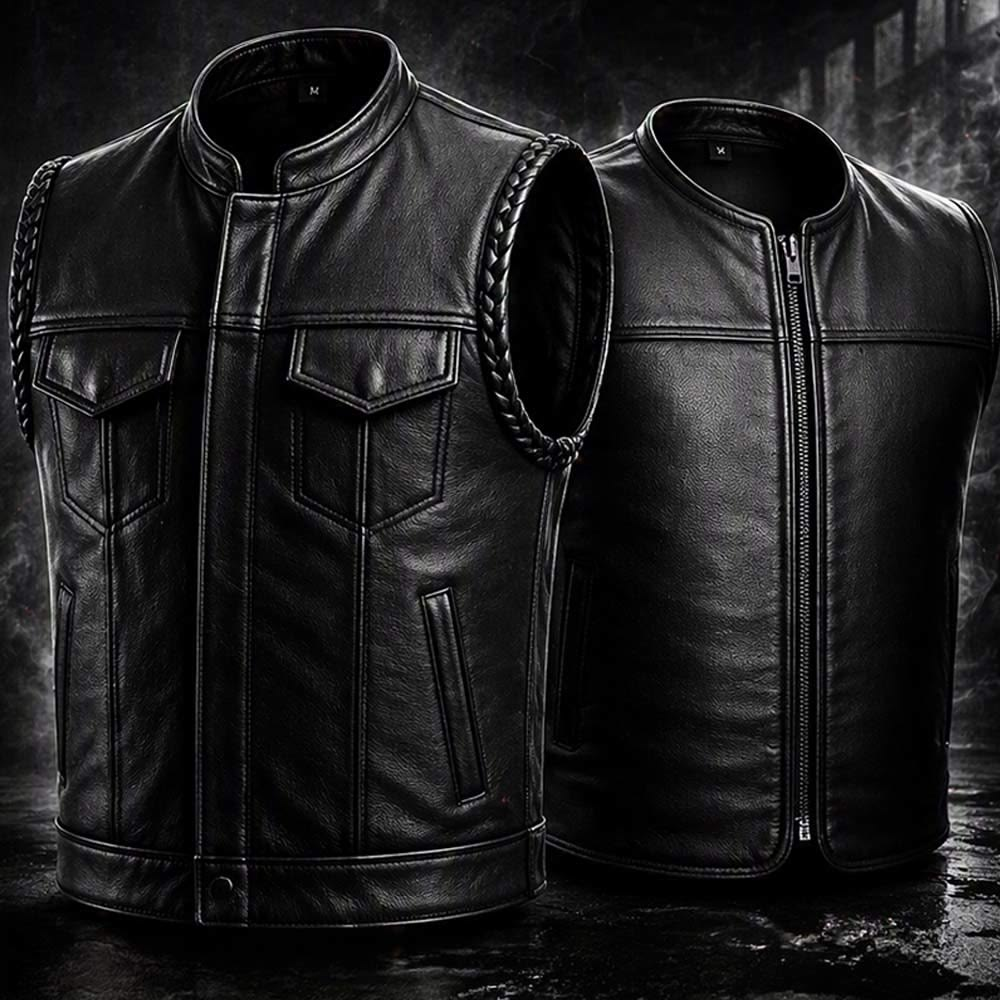
Sweat can affect a leather motorcycle vest gradually, especially when the garment is worn frequently in warm weather or during long rides. Perspiration contains water, salts, body oils, and other residues that can collect around the collar, armholes, upper back, chest, lining, and interior pockets. A single sweaty ride is unlikely to cause major damage, but repeated exposure without proper drying or cleaning can change how the leather feels, smells, and ages.
The biggest problems usually come from moisture being left inside the vest for too long. Sweat can dry into the lining, leave salt deposits near high-contact areas, make leather feel stiff, and contribute to odor or mildew when the vest is stored before it has fully aired out. Regular post-ride care is therefore more important than aggressive cleaning after every use.
Sweat Reaches the Vest From the Inside
Unlike rain, which usually hits the outer surface first, sweat comes from direct contact with the rider's body and clothing. This means moisture often builds up in areas that receive less airflow.
The inside of the collar, shoulders, upper back, and armholes can become damp even when the outside of the vest still looks completely dry. A mens leather motorcycle vest may therefore need airing after a warm ride even when there is no visible moisture on the exterior.
Salt Is One of the Main Concerns
As sweat dries, water evaporates but salts and other residues remain behind. Over time, these deposits can collect around high-contact areas and make the surface or lining feel rough.
Salt can also draw moisture from the environment and contribute to stiffness in leather if buildup becomes heavy. Riders may notice pale marks around the collar or armholes after repeated hot-weather use. Light cleaning before deposits become severe is easier than trying to remove months of buildup at once.
The Collar Usually Shows Sweat First
The collar sits close to the neck, where heat and perspiration are common. Body oils, sunscreen, hair products, and sweat can all transfer into this area.
Over time, the inside of the collar may darken, become slightly greasy, or develop odor. This is one of the first areas riders should inspect after hot rides. Regular gentle cleaning helps prevent residue from becoming deeply embedded.
Armholes Collect Moisture Easily
Armholes are another high-sweat zone because they sit close to the underarm area and receive constant movement. Moisture can transfer from the rider's base layer into the leather edge, lining, and stitching.
These areas can also experience friction as the rider moves the arms. Sweat combined with repeated rubbing can make grime build up faster. Keeping the armhole area clean and dry helps preserve both comfort and appearance.
The Upper Back Can Stay Damp Longer
The back panel often receives less airflow than the front, especially when the rider wears a backpack, protective jacket, or additional layers.
Sweat can become trapped between the rider and the vest, leaving the lining damp after the ride. If the vest is hung immediately in a closed closet, that moisture may remain longer than expected. Opening the garment and allowing the back to air is one of the easiest ways to prevent odor.
Sweat Can Make Leather Feel Stiffer After Drying
When perspiration dries inside or around leather, the remaining salts can contribute to a firmer feel. Repeated sweat-dry cycles may make certain areas feel less supple than the rest of the vest.
This is especially noticeable around the collar, shoulders, and waist. Stiffness does not always mean the leather needs conditioner immediately. Cleaning away residue and allowing the material to fully dry should come first.
Sweat Does Not Mean the Vest Needs Conditioner After Every Ride
One of the easiest mistakes is assuming any stiffness should be fixed with conditioner. If the problem is actually salt or grime, adding conditioner can trap residue against the leather.
Clean first, dry fully, and then evaluate the material. If the leather genuinely feels dry after cleaning, a suitable conditioner may be appropriate. If it still feels healthy and flexible, no additional product may be necessary.
Body Oils Can Darken High-Contact Areas
Sweat is not only water and salt. Natural body oils also transfer into leather and fabric over time.
These oils can gradually darken the collar, armhole edges, pocket openings, or interior surfaces. Some of this change becomes part of normal patina, but heavy buildup can make the garment feel greasy. Regular light cleaning helps keep the color change more even.
Sweat Can Affect the Lining More Than the Leather
Many riders focus only on the outer leather, but the lining often absorbs more perspiration. Fabric holds moisture and odor differently from leather and may become the main source of an unpleasant smell.
The lining should be aired after sweaty rides and cleaned according to the garment's care instructions when needed. A clean outer shell will not solve odor if the interior remains saturated with old sweat.
Interior Pockets Can Trap Sweat
Inside pockets sit close to the body and may have multiple fabric layers, making them slower to dry. If a phone, wallet, or other item remains inside after the ride, airflow is reduced even further.
Empty the pockets and leave them open when airing the vest. This helps moisture escape and prevents both the pocket lining and stored items from developing odor.
Concealed Carry Pockets Need Extra Attention
Larger reinforced interior pockets often contain additional layers of fabric and stitching. These areas may hold sweat longer than standard pockets.
Inspect them after hot rides and allow them to air fully before storage. The more structured the pocket, the more time it may need to dry completely.
Sweat Can Contribute to Odor
Odor develops when moisture, body oils, bacteria, and poor airflow remain together. Leather itself may absorb some smell, but the lining and interior fabrics are often responsible for most of it.
A sweaty womens leather biker vest should be hung open after use rather than immediately placed in a closet. Drying the garment thoroughly can prevent mild odor from becoming a persistent problem.
Fragrance Does Not Remove Sweat Odor
Spraying cologne, deodorizer, or air freshener onto the vest only masks the smell temporarily. The underlying residue remains.
Heavy fragrance can also mix with sweat and create a stronger or more unpleasant odor. Proper drying and cleaning address the source rather than covering it.
Sweat Can Encourage Mildew if Moisture Is Trapped
Mildew becomes a risk when a damp vest is stored in a warm, poorly ventilated environment. Sweat provides moisture and organic residue that can remain in lining, seams, and pockets.
A musty smell is often the first warning sign. Preventing mildew is much easier than removing it, so the vest should never be stored while still damp from a ride.
Humidity Makes Sweat Problems Worse
In humid conditions, perspiration evaporates more slowly. The vest may remain damp for longer even after the motorcycle is parked.
This gives salts and body oils more time to remain against the material. Riders in humid climates should prioritize airflow and may need to air their gear for longer before putting it away.
Hot Weather Increases Repeated Exposure
Summer riding naturally produces more sweat, especially in traffic or at low speed. The vest may be exposed to perspiration ride after ride without a full cleaning.
This is why summer maintenance should focus on frequent airing and occasional targeted cleaning rather than waiting until strong odor appears. Prevention keeps the garment easier to maintain.
Stop-and-Go Riding Produces More Sweat
Highway airflow helps evaporate some moisture, while city traffic can leave the rider sitting in heat with very little ventilation.
A vest used mainly for urban riding may therefore collect more sweat around the back, neck, and chest. Even short rides can create significant moisture when temperatures are high and airflow is limited.
Backpack Straps Can Trap Sweat Against the Vest
Backpack straps press the leather against the shoulders and upper chest, reducing airflow in those areas.
Sweat can remain trapped underneath the straps while friction works the moisture into the leather and lining. If the rider uses a backpack regularly, those contact areas should be checked and aired more carefully.
Sweat Can Affect Stitching
Thread around seams and patches can absorb moisture and salts. Over long periods, repeated wet-dry cycles may contribute to wear, especially if the thread is already old.
Inspect shoulder seams, armholes, pockets, and patch stitching periodically. Loose or frayed thread should be repaired before repeated moisture and movement make the problem worse.
Patch-Heavy Vests Can Hold More Moisture
Patches add extra fabric, thread, backing, and stitching to the garment. These layers can reduce drying speed and trap sweat near the leather.
After a hot ride, check around patch edges and the interior behind heavily covered areas. A patch-covered back may stay damp longer than a plain leather panel.
Sweat Can Build Up Around Patch Stitching
The small holes and thread around patch borders create areas where moisture and residue can collect.
This does not mean patches should be removed, but the vest should be given enough time to dry fully. Gentle cleaning around patch borders can also help prevent dirt and salt from accumulating.
Light-Colored Salt Marks May Appear
After repeated sweaty rides, riders may notice pale or whitish residue near the collar, armholes, or inside panels.
These marks are often dried salts rather than leather fading. They should be cleaned gently using a method appropriate to the leather finish. Scrubbing aggressively can damage the surface even if the residue itself is harmless.
Do Not Use Harsh Household Cleaners
Strong detergents, alcohol-heavy products, bleach, and household sprays can strip finishes or dry leather unnecessarily.
Use leather-specific cleaning methods and follow the garment manufacturer's instructions. The goal is to remove sweat residue without causing more damage than the sweat itself.
Do Not Soak the Vest to Remove Sweat
Leather should not be submerged simply because it smells or feels dirty. Full soaking introduces much more moisture than necessary and creates additional drying risks.
Targeted cleaning is generally safer. Focus on the areas where sweat actually accumulates instead of saturating the entire vest.
Sweat Can Affect Snap and Zipper Hardware
Salt and moisture can collect around metal snaps, zippers, and eyelets. Over time, this may contribute to corrosion or rough movement.
Wipe hardware after particularly sweaty rides and make sure the vest dries completely. If a zipper feels gritty, clean it rather than forcing it. Keeping hardware dry supports both appearance and long-term function.
Side Laces Can Absorb Sweat Too
Leather or fabric side laces sit close to the torso and can become damp in hot conditions.
Repeated moisture may make them softer or dirtier over time. Check them during routine maintenance and allow them to dry naturally. Avoid over-conditioning leather laces because excessive softness can encourage stretching.
Waist Areas Can Become Damp During Long Rides
The lower torso can trap sweat where the vest overlaps with pants, belts, or other layers. This area also experiences repeated folding while seated.
Moisture combined with compression may make waist creases more pronounced. After long rides, hang the vest open so the lower panels can dry rather than leaving them folded around the waistband shape.
Sweat Can Change How Leather Breaks In
Leather naturally adapts to the rider's body, and moisture can make it more flexible while that process happens.
Repeated sweat exposure may therefore encourage certain areas to mold more closely to the wearer. Some of this is normal break-in, but excessive dampness combined with pressure can also create deeper folds or distortion.
Heavy Pocket Loads Are Worse When the Vest Is Damp
Moisture softens leather temporarily. If heavy items remain inside the pockets while the vest is sweaty, they can pull the material more easily.
Remove phones, wallets, keys, and other dense objects after the ride. This allows the pockets to dry without being stretched around their contents.
Avoid Leaving a Sweaty Vest in a Motorcycle Bag
A saddlebag, backpack, or top case may seem convenient after the ride, but enclosed storage traps heat and moisture.
If the vest is sweaty, remove it and let it air as soon as practical. Leaving it compressed in a hot bag can intensify odor and slow drying dramatically.
A Broad Hanger Helps Airflow
A supportive hanger allows the vest to remain open and keeps the shoulders in their natural shape while drying.
Avoid folding the garment immediately after a hot ride. Hanging it with the front open lets air move through both the leather shell and lining more effectively.
Keep the Vest Away From Direct Heat
Do not use radiators, hair dryers, or strong heaters to speed up sweat drying. Rapid heat can dry leather unevenly and make it stiff.
Room-temperature airflow is safer. If more ventilation is needed, a fan can improve circulation without applying excessive heat.
A Moisture-Wicking Base Layer Helps
The clothing underneath the vest can reduce how much sweat reaches the leather and lining. A moisture-wicking base layer helps move perspiration away from the skin and spreads it over a larger surface where it can evaporate more easily.
This does not keep the vest completely dry, but it can reduce direct sweat transfer. It is especially useful during hot-weather and long-distance riding.
Cotton Can Hold Moisture Longer
A heavy cotton shirt may absorb a significant amount of sweat and remain damp against the vest.
Technical moisture-wicking materials generally dry faster and reduce the amount of wet fabric pressed against the leather. This can improve both rider comfort and garment maintenance.
Wash Base Layers More Often Than the Vest
The garment closest to the skin should take most of the sweat load. Keeping base layers clean prevents old perspiration from transferring back into the vest.
This allows the leather garment itself to go longer between deeper cleaning sessions. It is usually easier and safer to wash a base layer frequently than to clean leather unnecessarily.
Airing After Every Sweaty Ride Helps
The simplest maintenance habit is also one of the most effective. After a warm ride, empty the pockets, open the front, and hang the vest in a ventilated area.
Even basic airflow can prevent moisture from remaining trapped overnight. Regular airing reduces odor, mildew risk, and the need for frequent aggressive cleaning.
How Often Should a Sweaty Vest Be Cleaned?
There is no fixed cleaning schedule because sweat exposure varies between riders, climates, and seasons.
Clean the vest when visible salt, grime, odor, or greasy buildup appears. Lightly worn leather does not need a full cleaning simply because it was used once. Condition and cleaning frequency should follow the actual state of the garment rather than a strict calendar.
What Should Riders Avoid?
Most sweat-related problems become worse through incorrect care rather than normal riding.
Avoid:
-
Storing the vest while damp
-
Leaving it in a sealed bag after a hot ride
-
Applying conditioner over sweat residue
-
Using strong household cleaners
-
Soaking the entire vest unnecessarily
-
Drying it with direct heat
-
Masking odor with fragrance
-
Leaving heavy items in damp pockets
-
Ignoring salt buildup around the collar
-
Wearing the same sweaty base layer repeatedly
When Does Sweat Become a Serious Problem?
Normal perspiration is manageable, but persistent dampness, mildew, cracking, strong odor, or severe salt buildup deserves more attention.
If the leather becomes hard and brittle, the lining remains musty after cleaning, or mildew appears, professional leather care may be worthwhile. The sooner persistent moisture problems are addressed, the easier they are to correct.
Conclusion
Sweat affects a leather motorcycle vest through moisture, salt, body oils, and repeated exposure to heat and friction. Over time, these can create odor, stiffness, discoloration, residue, and additional wear around the collar, armholes, lining, pockets, stitching, and hardware. The damage usually develops gradually rather than after a single ride.
The best protection is simple post-ride care. Air the vest, empty the pockets, let the lining dry completely, clean visible residue when needed, and avoid applying conditioner over dirty or damp leather. A clean moisture-wicking base layer can also reduce how much sweat reaches the garment in the first place. With regular drying and moderate maintenance, sweat does not have to shorten the useful life of a leather vest.
For riders looking for leather motorcycle vests designed for regular road use, practical storage, and long-term comfort, Unik International offers options for different riding styles and conditions. Contact Unik International to explore available styles and choose a vest that fits naturally into your riding routine while remaining easier to maintain through hot-weather use.












Comments (0)