

Why Does Water Come Up Through a Basement Floor Drain During Heavy Rain?

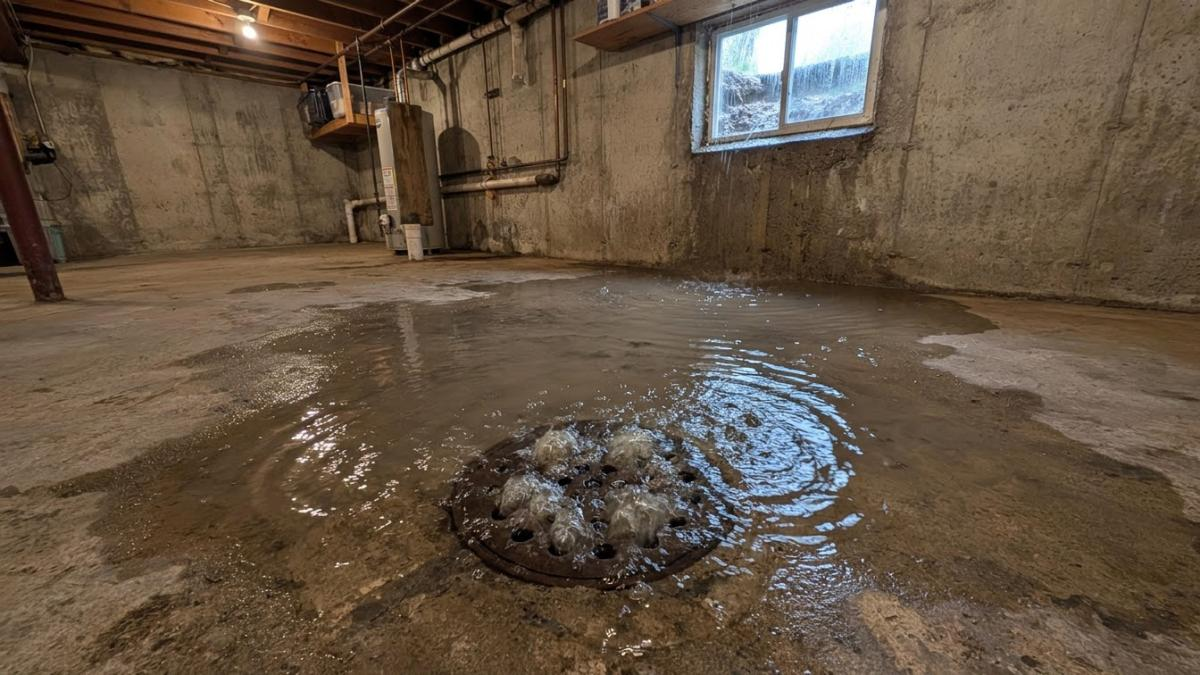
A homeowner notices water collecting around the basement floor drain during a heavy rainstorm. The basement walls look dry, and no plumbing fixture appears to be leaking. As rainfall continues, however, the water level rises and begins spreading across the floor. Once the storm passes, the water gradually disappears, leaving damp concrete and a musty smell.
Water emerging from a floor drain can indicate a drainage-system backup, sewer surcharge, or another problem affecting how wastewater or groundwater moves around the property. The exact cause matters because the water may be contaminated, and ordinary surface drying may not be enough to restore affected materials safely.
Why Basement Floor Drains Can Back Up
Basement floor drains usually connect to a drainage system designed to carry water away from the building.
When that system becomes restricted, overloaded, or otherwise unable to discharge properly, water may return through a lower opening.
Heavy rain can contribute to certain drainage problems, but rainfall alone does not establish the cause. A clogged private drain, sewer-system surcharge, or incorrectly connected drainage arrangement may produce similar symptoms.
A qualified plumber or drainage specialist should identify the system serving the affected drain before corrective work begins.
Homeowners should not assume that every basement backup originates from groundwater entering through the foundation.
How Heavy Rain Can Affect Sewer Systems
During intense rainfall, some sewer systems can experience additional flow from stormwater infiltration or other sources.
If the system cannot carry the incoming volume under the existing conditions, wastewater may back up through connected building drains.
The likelihood and mechanism depend on the local infrastructure and property plumbing.
A home connected to a municipal sewer may face different conditions from one using an onsite wastewater system.
The homeowner should explain when the backup occurs, whether nearby properties experience similar problems, and which fixtures are affected.
These observations may help the appropriate utility or plumbing specialist investigate the source.
Why the Water May Be Contaminated
Water emerging from a drain should not automatically be treated as clean groundwater.
Depending on the drainage connection, it may contain sewage, microorganisms, chemicals, or other contaminants.
The water's appearance and odor are not reliable measures of safety.
Homeowners should avoid walking through unknown standing water, touching contaminated materials, or operating electrical equipment in the affected area.
Children and pets should remain away from the basement until the situation is evaluated.
If the drain is connected to the sanitary system, the restoration plan must account for possible sewage contamination rather than rely on ordinary water extraction alone.
What Happens to Basement Flooring?
The impact depends on the flooring material and how far the water spreads.
Sealed concrete may require appropriate cleaning and drying, while carpet and padding can absorb substantial moisture.
Laminate flooring, wood-based underlayment, and certain adhesive systems may deteriorate after prolonged exposure.
The contamination category also influences which materials can be retained.
For example, carpeting exposed to sewage may require a different response from materials affected by a limited clean-water incident.
The restoration contractor should evaluate each assembly rather than assume that removing surface water makes the floor suitable for continued use.
Can Water Travel Into the Walls?
Water accumulating across a basement floor can reach baseboards, drywall, and insulation.
Porous materials may absorb moisture above the visible waterline.
In finished basements, moisture can also enter cavities behind wall coverings and cabinets.
The extent of damage depends on the material, water source, and exposure duration.
A professional may use appropriate moisture measurements to help determine whether concealed areas require drying or selective removal.
However, every wall touched by water does not automatically require complete demolition.
The restoration approach should follow the actual material condition and contamination.
Why the Drainage Problem Must Be Corrected First
Cleaning the basement without resolving the backup source may allow the same incident to happen during another storm.
The necessary correction could involve plumbing repairs, drainage improvements, or other work identified through investigation.
A backwater valve may be appropriate for certain systems, but installation and maintenance requirements depend on the plumbing design and applicable rules.
Homeowners should not install one without a qualified assessment.
The restoration contractor and drainage specialist may need to coordinate their work so water removal is not repeatedly interrupted by additional backups.
What Should Professional Cleanup Include?
Professional Flood Cleanup may include removing standing water, evaluating contamination, identifying affected materials, and drying suitable structural components.
The scope should also address cleaning requirements and any materials that cannot be restored reliably.
Drying equipment should be selected according to conditions rather than installed without considering the water source.
The restoration provider should explain which parts of the floor and walls were evaluated and which conditions remain unresolved.
A useful completion report distinguishes restored materials from the separate drainage repair that prevents another incident.
How to Document the Backup
Homeowners should photograph the affected floor and water level from a safe location.
Record the rainfall conditions, the approximate time the water appeared, and whether any plumbing fixtures were in use.
If a municipal sewer problem is suspected, contact the appropriate utility for guidance.
Keep invoices and inspection records, particularly if an insurance claim is being considered.
Coverage for backups or flooding depends on the policy and applicable endorsements.
Accurate documentation provides a clearer account of what occurred without assuming the source or insurance outcome.
Conclusion
Water rising through a basement floor drain during heavy rainfall can indicate a drainage restriction, sewer surcharge, or another system problem. Because the water may be contaminated, the response should address safety and the water source before ordinary drying.
Understanding a backwater valve helps explain one method used in certain plumbing systems to reduce reverse wastewater flow. Proper diagnosis and restoration are both necessary to prevent recurring damage.












Comments (0)