

Secure Records, Smarter Offices: Digitizing Paperwork in Los Angeles

When Paper Becomes a Problem
A single misplaced folder once cost a busy clinic weeks of lost revenue and a stack of apologetic phone calls. Stories like that are common wherever paper piles up. Businesses, clinics, and agencies that adopt Document Scanning Los Angeles County services replace fragile filing cabinets with searchable digital archives that can be retrieved in seconds. This article explains why digitization matters, how the process works, and what regulations shape it. The central argument is simple: converting paper to secure digital files protects information, saves space, and supports compliance for organizations.
The Hidden Cost of Paper Records
Paper carries hidden costs that rarely appear on a budget sheet. Storage rooms consume expensive square footage, staff spend hours hunting for a single contract, and water damage, fire, or simple wear can erase irreplaceable records overnight. Many firms and public offices that invest in Document Scanning Los Angeles County projects discover that retrieval time drops dramatically while physical storage costs shrink. Digital files can also be backed up in multiple locations, which reduces the risk of permanent loss. In a region known for earthquakes and wildfires, resilience is necessary.
Accuracy and accessibility are the other major concerns. Misfiled paper is effectively lost, whereas a scanned record can be indexed by name, date, account number, or any custom field. Optical character recognition converts images into searchable text, allowing staff to locate a clause or invoice within moments. Role-based permissions then control who may view each file, and audit trails record every access. This combination of speed, structure, and oversight turns a disorganized archive into a dependable resource that supports daily operations, customer service, and long-term decision making across all departments.
How Professional Scanning Works
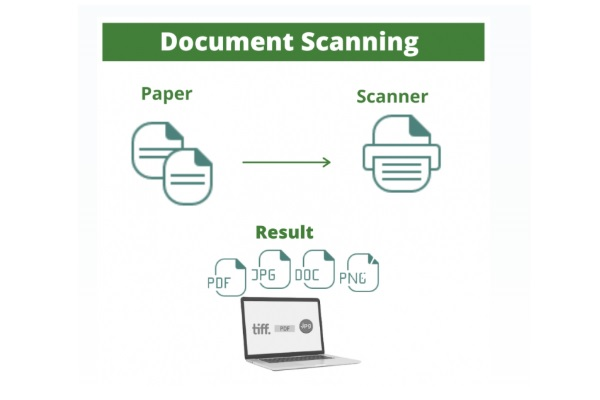
Professional projects usually begin with an assessment of volume, paper condition, and desired file formats. Documents are then prepped by removing staples, repairing tears, and sorting by category. High-speed scanners capture each page, while quality control staff verify clarity and completeness. Providers of Document Scanning Los Angeles County services often handle oversized drawings, bound books, and fragile originals with specialized equipment. Finished images receive index data, are saved as PDF or TIFF, and are delivered through encrypted transfer or secure media. Original paper may then be returned, stored, or shredded.
Healthcare Privacy and HIPAA Requirements
Medical records carry some of the most sensitive information any organization handles. The Health Insurance Portability and Accountability Act requires safeguards for protected health information, whether it exists on paper or on screen. Providers that rely on HIPAA Document Scanning Los Angeles specialists gain a process built around those safeguards, including background-checked personnel, controlled facilities, and documented chain of custody. Hospitals, dental offices, and billing companies benefit because patient charts become accessible to authorized staff without being copied, mailed, or left on desks. Proper handling reduces breach risk and penalties.
Beyond scanning itself, privacy depends on how information is stored and shared afterward. Encryption at rest and in transit keeps files unreadable to outsiders, and multifactor authentication limits entry to approved users. Business associate agreements clarify the responsibilities of each party, while destruction certificates confirm that discarded paper has been permanently eliminated. Staff training matters just as much as technology, since many incidents stem from human error. Organizations that document these practices can demonstrate due diligence during audits, which strengthens patient trust and protects the overall reputation of the practice.
Choosing a Compliant Scanning Partner
Selecting a vendor deserves careful comparison. Facility security, employee screening, equipment quality, and turnaround time all influence results. Requesting references and a written description of procedures is a reasonable first step. Healthcare organizations should confirm that any provider offering HIPAA Document Scanning Los Angeles solutions will sign a business associate agreement and maintain verifiable security controls. Pricing models vary, with some vendors charging per page and others per box, so a clear quote that lists indexing, prep, and delivery costs prevents surprises. A pilot batch can reveal quality issues early.
Conclusion
Digitizing records is no longer optional for organizations that value efficiency, security, and compliance. Careful planning, a trusted provider, and consistent retention policies turn stacks of paper into an organized asset. For clinics and other regulated businesses, HIPAA Document Scanning Los Angeles services add the privacy protections that patient data demands, and AccessScanning offers services built around these needs for local organizations. With the right approach, offices can reduce clutter, improve response times, and keep sensitive information protected for years to come. Informed decisions made today prevent compliance headaches tomorrow.












Comments (0)