

When Is Cleft Lip and Palate Surgery Usually Performed?
The gaps or openings in the palate, roof of the mouth, or upper lip are common features of congenital diseases known as cleft lip and Palate Surgery in Dubai.
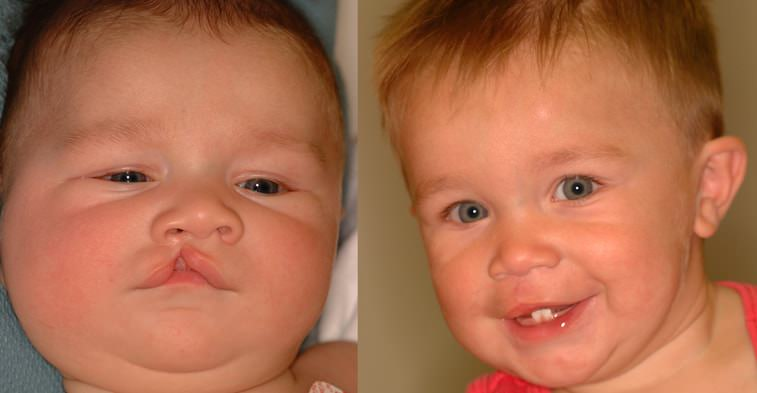
A cleft lip or palate is a congenital condition that develops when certain facial structures do not fully join during pregnancy. It can affect a child's appearance, feeding, speech development, hearing, and overall oral health. Understanding the appropriate treatment timeline helps parents make informed decisions and prepare for each stage of their child's development. Cleft Lip and Palate Surgery in Dubai is generally performed during infancy or early childhood, although the exact timing depends on the type of cleft, the child's health, and individual treatment requirements. Early evaluation and a carefully planned treatment approach can help support healthy development and improve long-term outcomes.
Understanding Cleft Lip and Palate
A cleft lip occurs when the tissue forming the upper lip does not completely join before birth, leaving an opening that may extend toward the nose. A cleft palate develops when the tissues forming the roof of the mouth do not fuse completely, creating an opening between the oral and nasal cavities.
Some children are born with only a cleft lip, while others have a cleft palate or both conditions. The severity can vary considerably, which means treatment plans are not identical for every child.
These conditions may influence several aspects of childhood development, including:
-
Feeding and swallowing difficulties during infancy.
-
Speech development and pronunciation challenges.
-
Dental alignment and the growth of surrounding structures.
-
Recurrent middle ear problems and hearing concerns.
-
Emotional well-being and confidence as children grow.
Early assessment helps identify these concerns and establish an appropriate treatment pathway.
When Is Cleft Lip Surgery Usually Performed?
Cleft lip repair is commonly performed when a baby is around three to six months old. This period is often selected because the infant has had time to grow, gain weight, and develop sufficient physical stability for the procedure.
However, the exact timing depends on the baby's overall health, nutritional status, cleft severity, and medical assessment.
Why Is Surgery Recommended During Early Infancy?
Repairing a cleft lip during infancy can help restore the continuity of the upper lip and improve its appearance. Early treatment also supports the development of facial structures and helps establish more typical lip function.
Before surgery, the medical team evaluates the baby's general health, feeding progress, and readiness for anaesthesia. The procedure is planned according to the child's individual needs rather than following a fixed age for every patient.
What Happens During Cleft Lip Repair?
The procedure involves bringing the separated tissues together to reconstruct the upper lip. The goal is to create a more natural lip shape, improve symmetry, and support normal movement.
The specific surgical technique depends on the location and extent of the cleft. In some cases, additional procedures may be considered as the child grows to address differences in appearance or function.
When Is Cleft Palate Surgery Usually Performed?
Cleft palate repair is generally performed later than cleft lip repair. It is commonly scheduled between nine and eighteen months of age, although some treatment plans may recommend surgery earlier or later.
The timing is particularly important because the palate plays a major role in speech development, swallowing, and separating the mouth from the nasal cavity.
Why Is the Timing of Palate Repair Important?
As children begin developing speech, the palate helps direct airflow through the mouth rather than allowing it to escape through the nose. An unrepaired cleft can interfere with this process and contribute to speech difficulties.
Repairing the palate before more advanced speech development may help establish better conditions for communication. Nevertheless, surgery does not guarantee completely typical speech, and some children may require speech therapy or additional treatment as they grow.
What Happens During Cleft Palate Repair?
During the procedure, the separated tissues of the roof of the mouth are repositioned and joined to close the opening. The aim is to create a functional palate that supports swallowing, speech, and oral development.
The surgical approach varies depending on the cleft's location, width, and severity. Following repair, children require regular monitoring to assess healing, speech development, and other related functions.
Factors That Influence the Timing of Surgery
Although general age ranges provide useful guidance, several factors influence when a child should undergo treatment. A personalised assessment helps determine the safest and most appropriate schedule.
The Child's Overall Health
A baby's general health is one of the most important considerations. Weight gain, nutritional status, breathing, and other medical conditions may influence surgical readiness.
If a child has additional health concerns, the treatment timeline may need to be adjusted to support safety.
Type and Severity of the Cleft
A small cleft affecting only the lip may require a different approach from a complete cleft involving the lip, palate, and surrounding structures.
The extent of the opening and the involvement of nearby tissues help determine the treatment technique and timing.
Feeding and Nutritional Development
Some babies with cleft conditions experience difficulties creating the suction needed for feeding. Maintaining adequate nutrition is essential before surgery.
Specialised feeding bottles, appropriate feeding techniques, and nutritional monitoring may help support healthy growth during infancy.
Speech and Facial Development
Treatment planning also considers how the cleft may affect future speech, dental development, and facial growth. The timing of palate repair is particularly important because speech patterns begin developing during early childhood.
Can Cleft Lip and Palate Surgery Be Performed at the Same Time?
In some situations, cleft lip and palate repairs are performed as separate procedures because they are generally recommended at different developmental stages.
Lip repair often takes place during the first few months, while palate repair is usually scheduled later in infancy. This staged approach allows each procedure to address specific functional and developmental considerations.
The appropriate plan depends on the child's condition and the treatment objectives. Combining procedures is not suitable for every child, and the decision requires careful clinical evaluation.
What Happens After Cleft Lip and Palate Surgery?
Recovery is an important part of the overall treatment process. Children need appropriate monitoring, nutritional support, and follow-up appointments to ensure that healing progresses as expected.
Feeding During Recovery
Feeding instructions may change temporarily after surgery. Parents should follow the recommended feeding method and maintain adequate fluid and nutritional intake.
The treating team can provide guidance on suitable feeding equipment, food consistency, and positioning during recovery.
Monitoring Healing and Development
Follow-up appointments allow the medical team to examine the surgical area and monitor the child's progress. Parents should follow instructions regarding oral hygiene, activity restrictions, and signs that require medical attention.
Speech and Hearing Assessments
Some children benefit from speech and language therapy as they develop communication skills. Hearing assessments may also be recommended because children with cleft palate can experience middle ear problems.
Regular monitoring helps identify concerns early and supports appropriate intervention.
Does Every Child Need Additional Surgery?
Not every child requires further surgery after the initial repair. However, some may benefit from additional procedures as their facial structures, teeth, and speech abilities develop.
Further treatment may address residual openings, dental or jaw development, speech-related concerns, or differences in facial appearance.
For example, some children with a cleft affecting the gum may require an alveolar bone graft during childhood. This procedure is often planned according to dental development and the timing of permanent tooth eruption.
A long-term treatment plan helps ensure that each developmental stage receives appropriate attention.
Why Is Early Assessment Important?
Early assessment provides parents with a clearer understanding of their child's condition and the treatment options available. It also allows healthcare professionals to coordinate feeding support, surgical planning, hearing assessments, dental care, and speech development.
Rather than focusing only on the initial repair, a comprehensive approach considers the child's needs throughout infancy, childhood, and adolescence.
Parents should seek professional guidance if they notice feeding difficulties, unusual nasal speech, hearing concerns, or dental development issues. Timely evaluation can help address these concerns before they become more challenging.
Book Us
Every child deserves an individualised approach that considers their health, development, and treatment needs. Understanding the appropriate timing for Cleft Lip and Palate Surgery can help parents make confident decisions and explore suitable care options. Enfield Royal Clinic Dubai provides professional consultation and personalised guidance to help families understand available treatment pathways. Parents can connect with the clinic to discuss their child's condition, explore appropriate surgical options, and receive guidance on the next steps towards supporting healthy development.












Comments (0)