

Commercial Wrought Iron Fencing in Santa Fe, NM for Storefronts and Courtyards
Improve storefront safety and curb appeal with commercial wrought iron fencing in santa fe, nm. Get clear boundaries, welcoming courtyards, and a finish suited to daily business use
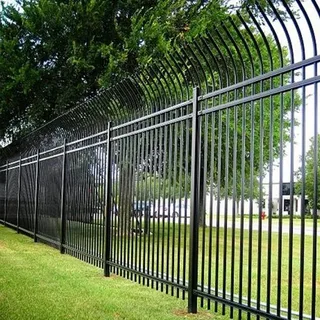
Storefront and courtyard owners often need a boundary that feels secure without making customers feel shut out. It should help people find the entrance, protect outdoor space, and keep the front of a business open and inviting. That balance matters to owners planning work with Home in One, especially when a courtyard needs safety without a closed-in feel. Choosing commercial wrought iron fencing in santa fe, nm can meet those needs when the layout, gate hardware, finish, and site conditions are considered together.
Key Takeaways
-
Open pickets can add security while keeping storefronts visible.
-
Gate placement should support customers, staff, deliveries, and emergency access.
-
Site conditions, masonry, drainage, and approval needs should be checked before fabrication.
-
A durable finish and regular inspections help protect the fence over time.
For most businesses, the best fence is not simply the tallest or heaviest option. It is a well-sized system that marks the property, supports safe movement, and fits the building’s style. Wrought iron offers strong lines and open views, making it useful for retail fronts, restaurant patios, office courtyards, and shared commercial spaces.
Choosing Commercial Wrought Iron Fencing in Santa Fe, NM
Wrought iron fencing works well where owners want a clear edge without a solid wall. Vertical pickets can discourage unwanted entry while allowing people outside to see displays, doors, signs, and landscaping. That visibility can make a storefront feel more welcoming than one enclosed by a tall privacy barrier.
Courtyards need a slightly different approach. The fence may need to protect seating, guide visitors toward one entrance, or separate a public patio from a service area. A simple pattern may suit a modern shop, while a more detailed design may fit a historic or traditional building. The key is to match the fence height, spacing, and shape to the way the space is used.
Owners often ask whether open iron fencing offers privacy. It does not provide full visual privacy by itself, but it can create a clear boundary and support privacy screens, plants, or interior partitions where needed. This layered approach keeps the street-facing edge open while giving people inside the courtyard more comfort.
Design Priorities for Public-Facing Spaces
At a storefront, the fence should direct people without creating a confusing path. A pedestrian gate should be easy to find, swing safely, and leave enough room for normal foot traffic. Gate hardware also needs to fit the business routine. A simple latch may work for a small courtyard, while access control may be useful when staff need to limit entry after hours.
Courtyard planning should account for tables, planters, trash areas, lighting, and service routes before post locations are set. A fence that looks correct on an empty plan may block a door, narrow a walkway, or interfere with deliveries once the space is furnished. Early layout work helps prevent those problems.
The finish deserves equal attention. Many commercial systems use a factory-applied powder coating because it creates an even surface and comes in many colors. The coating is not a reason to ignore scratches or exposed metal, however. Small chips should be cleaned and touched up before moisture can start corrosion.
Design details should support the building rather than compete with it. Rounded corners may soften a busy entry, while simple square lines may fit a newer storefront. Decorative finials, rails, and posts should be used with care so they do not create sharp edges or make routine cleaning difficult.
-
Keep storefront sightlines open near signs, windows, and doors.
-
Place gates around real walking, service, and delivery patterns.
-
Choose patterns and colors that fit the building and courtyard.
-
Plan the finish with future touch-ups and cleaning in mind.
Planning the Site and Approval Details
Before drawings are finalized, the property team should confirm the exact property line and note any shared access areas. A clear site plan for Santa Fe commercial fencing should show doors, sidewalks, driveways, utilities, existing walls, and changes in grade. This information helps the installer place posts where they will not block a route or create a new drainage problem.
Existing adobe, stucco, or masonry features need special care. Posts should not be fastened to a weak surface without checking how the load will transfer. In some locations, separate footings may be safer than attaching the fence directly to an old wall. A site review can also reveal buried utilities, irrigation lines, or roots that could affect excavation.
Local approval needs should be checked before materials are ordered. Santa Fe properties may have different review needs based on their location, building type, historic status, or relationship to a public sidewalk. The owner or project team should ask the proper city or property authority which permits, plans, or reviews apply rather than relying on a general assumption.
Drainage is another practical concern. Water that collects around posts can shorten the life of the finish and weaken the surrounding ground. The fence design should work with existing slopes and drainage paths, not force runoff toward a doorway or courtyard seating area.
-
Verify property lines, easements, doors, and service routes.
-
Check masonry, utilities, irrigation, and soil before digging.
-
Confirm local review or permit needs before fabrication.
-
Keep post locations clear of drainage paths and access routes.
Installation, Gates, and Daily Use
When selecting Santa Fe iron fencing, owners should look beyond the panel pattern and ask how the complete system will work each day. Posts, hinges, latches, anchors, and gate stops all affect how the fence performs. A well-made panel can still cause trouble if the gate drags, closes too quickly, or opens into a busy walkway.
Pedestrian gates should match the flow of customers and workers. They may need a self-closing hinge, a latch placed at an easy height, or hardware that works with an access control system. A vehicle gate requires more room and a different operating plan. Its swing or sliding path should stay clear of parked cars, delivery zones, and public walking areas.
Installation timing can also affect business operations. Work near a storefront may need to be staged so customers can still reach the entrance. Courtyard work may be easier when furniture, planters, and movable signs are cleared first. The project plan should address temporary barriers, daily cleanup, and safe access while the crew works.
Lighting can improve the usefulness of the fence after dark. Fixtures should illuminate gates and paths without shining into nearby windows or creating glare for drivers. If the fence is near a public sidewalk, the final layout should leave a comfortable passage and avoid creating a narrow pinch point.
-
Match gate hardware to customer, staff, and delivery needs.
-
Test swing paths, latches, stops, and access controls before final approval.
-
Plan temporary access while installation takes place.
-
Coordinate fence lighting with doors, sidewalks, and nearby windows.
Care and Long-Term Maintenance
Santa Fe’s sun, dust, and seasonal rain can affect an outdoor metal finish. A regular inspection should look for scratches, loose fasteners, rust-colored spots, leaning posts, and gates that no longer close evenly. These checks are easier when staff add them to an existing property maintenance schedule.
Cleaning usually starts with water, a soft brush, and a mild cleaner that will not damage the coating. Harsh abrasives can leave marks that collect dirt. Sprinklers should be aimed away from the fence when possible, since repeated wetting can wear down vulnerable areas and leave mineral deposits.
Repairs should address the cause as well as the visible defect. A loose hinge may need alignment, not just new paint. A leaning post may point to movement in the footing or surrounding soil. Prompt attention keeps a small maintenance issue from becoming a larger gate or security problem.
Comparing Materials and Quotes
The term wrought iron is often used for ornamental metal fencing, even though many current systems are made from steel shaped in a traditional wrought-iron style. Owners should ask what metal is included, how thick the components are, and whether the finish includes a primer, galvanizing, or powder coating. These details make quotes easier to compare.
A complete proposal should describe panel dimensions, post spacing, footing work, gate hardware, finish color, site preparation, cleanup, and any exclusions. The lowest price may not represent the lowest total cost if it leaves out masonry repair, difficult excavation, access control, or touch-up work.
The fence should also be judged by daily use. A storefront with frequent deliveries may need a different gate plan from an office courtyard with controlled entry. Owners who explain those patterns at the start are more likely to receive a layout that works after installation, not just one that looks good in a drawing.
Frequently Asked Questions
Is Wrought Iron a Good Choice for a Retail Courtyard?
It can be a good choice when the goal is to define the courtyard without hiding it. Open panels provide a visible boundary, while plants, screens, or interior furnishings can add privacy in selected areas.
Can Wrought Iron Fencing Provide Privacy?
Standard picket fencing provides limited privacy because people can see through it. Privacy can be improved with carefully placed landscaping, decorative panels, or a separate screen, but those additions should not block required paths or sightlines.
What Gate Types Work Best for a Storefront?
A pedestrian gate usually suits customer entry, while a wider swing or sliding gate may serve deliveries and service access. The best choice depends on available clearance, traffic patterns, security needs, and how often the gate will operate.
Does Santa Fe Weather Affect the Finish?
Sun, dust, moisture, and sprinkler spray can all affect a metal coating over time. A suitable finish, careful drainage, and prompt touch-up work can help reduce wear and slow corrosion.
How Should Owners Compare Installation Quotes?
They should compare more than the total price. The quote should state the metal, finish, post method, gate hardware, site preparation, schedule, cleanup, and any work that is not included.
Can Existing Masonry Support a New Fence?
Sometimes, but the condition and strength of the masonry must be checked first. Separate footings may be needed when an old wall cannot safely carry the fence load or when attaching to it could cause damage.
Conclusion
Commercial wrought iron fencing can give Santa Fe storefronts and courtyards a clear boundary while preserving visibility and character. Good results depend on more than the panel design. Owners should plan gates around daily movement, confirm site and approval details, choose a finish suited to outdoor use, and compare complete installation proposals before work begins.
Plan the Next Step
Property owners can begin with a site review that maps entrances, courtyard edges, existing walls, drainage, and service access. They should request a written proposal that names the metal, finish, post method, gate hardware, schedule, and expected upkeep. Comparing plans on these details helps them choose a fence that supports daily business without blocking the character of the property. A qualified local installer can then confirm measurements, approval needs, and the best next step before fabrication begins with clear plans.

Hi, I’m Freya Parker, an automotive expert focused on helping car owners make smarter decisions when selling their vehicles. I specialise in breaking down the car-selling process in a simple, practical way from understanding your car’s real value to reading market trends and spotting the right time to sell. My goal is to give you clear, honest guidance so you can confidently get the best possible price for your car without confusion or stress. Whether you’re selling for the first time or just want a better deal, I’m here to make the process straightforward, transparent, and rewarding











Comments (0)