

Tree Removal During Property Cleanup Projects in Wichita, KS
Clear planning for tree removal for property cleanup in Wichita helps owners manage hazards, protect nearby structures, plan access, and prepare a site for hauling, grading, and reuse
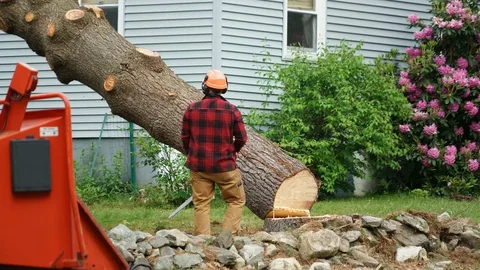
When a property owner is clearing an overgrown lot, the tree work should be planned with the rest of the cleanup, not added at the end with Warrior Property Solutions or any other contractor. Dead limbs, leaning trunks, hidden stumps, and blocked access can change the order of work and the cost of hauling. A careful review also protects fences, roofs, driveways, utility lines, and nearby homes. That is why tree removal for property cleanup starts with a site check, a clear work plan, and a decision about what should happen to the wood and stump.
Key Takeaways
-
Review tree condition, ownership, access, and nearby structures before work begins.
-
Check utility lines, property rules, and disposal needs before scheduling equipment.
-
Plan stump treatment and grading together so the cleared area is ready for its next use.
-
Use extra care around leaning trees, overhead wires, tight driveways, and storm damage.
Tree Removal for Property Cleanup in Wichita, KS
Trees often affect more than the appearance of a property. A large trunk may block a driveway, shade a damaged fence, or prevent equipment from reaching a rear lot. Roots may also interfere with future grading, drainage work, or a new pad for a shed or parking area. If the trees are reviewed early, the rest of the cleanup can follow a sensible order.
When tree removal for property cleanup is scheduled after all other work, crews may need to move debris twice or bring equipment back to an area that has already been leveled. Removing selected trees first can open an access route, but the plan should still protect soil from unnecessary rutting and keep falling limbs away from structures. The best sequence depends on tree size, condition, location, and the final goal for the property.
What to Check Before Work Begins
A site review should cover more than whether a tree looks dead. The following checks help a property owner define the work and avoid late changes:
-
Look for deadwood, split branches, hollow sections, leaning trunks, and signs of root damage.
-
Confirm the property line and determine who has authority to approve work on trees near a boundary.
-
Trace the equipment path, including gates, driveways, fences, overhead wires, and soft ground.
-
Decide whether logs, chips, and branches will be hauled away, reused, or left in a planned area.
Tree ownership can be unclear when branches cross a boundary or a trunk stands close to a fence. A property owner should settle that question before cutting begins. They should also check current city, county, right-of-way, and homeowners association rules, since requirements may differ by location and by the tree’s position.
Underground utilities matter when the project includes stump grinding, excavation, trenching, or grading. Kansas 811 can help identify public underground lines, while private lines may require a separate check. A written scope should state whether the work includes only the trunk and branches or also the stump, surface roots, soil removal, and final fill.
How Wichita Conditions Affect Cleanup Planning
Wichita properties may face strong wind, thunderstorms, hot dry periods, and changing soil conditions. Those factors do not make every tree unsafe, but they can expose weak limbs or make access harder after a storm. Wichita lot cleanup planning should account for the time of year, recent weather, and the condition of the ground where trucks or chippers will travel.
-
Wet or soft ground can suffer deep ruts under heavy equipment.
-
Wind-damaged branches may need separate handling from sound, usable logs.
-
Compacted soil may need loosening or added soil before a lawn or planting area is restored.
-
Low areas should be checked so cleanup does not block drainage or direct water toward a structure.
A property owner may notice that a tree looks stable from the street but has a damaged root flare or a hidden lean toward a building. That is why a close inspection matters. If a tree is near power lines, a roof, a busy sidewalk, or a narrow driveway, the removal plan may need smaller cuts, controlled lowering, or coordination with the utility owner.
Choosing the Right Removal Approach
Not every tree needs the same response. Some can remain after dead branches are pruned. Others need full removal because their condition, location, or planned site use creates a continuing problem. Kansas tree removal may also require a different plan when broken limbs are caught in a crown or a trunk is resting against a structure.
-
Pruning may be suitable when the trunk and major roots remain sound.
-
Full removal may make sense when a tree is failing, badly placed, or in the way of planned work.
-
Sectional removal can help where a whole-tree fall would threaten a house, fence, or utility line.
-
Stump grinding or excavation should be selected based on the next use of the ground.
The final choice should match the property’s purpose. A vacant lot intended for mowing may only need the stump ground below grade and the chips removed. A site planned for a driveway, foundation, or drainage improvement may need deeper root removal and imported fill. Those details should be settled before a price is accepted because they affect labor, equipment, and disposal.
A Practical Work Sequence
A well-ordered cleanup usually begins with inspection and marking. Trees to keep, prune, or remove can be identified before equipment enters the site. The crew can then plan a safe drop zone, protect structures, and create a route for logs and debris. Marking the property boundary and nearby hazards with visible paint or flags can reduce confusion during busy work.
Removal often comes before broad clearing and final grading, but that does not mean every tree should be cut on the first visit. Trees that protect soil from wind or help control runoff may be left until the ground plan is clear. Temporary access mats may also be useful when equipment must cross sensitive ground. A property owner should ask how the work area will be left at the end of each day.
After the trees are down, the remaining material should be sorted. Logs may be cut for firewood or hauled away, while branches can be chipped if the chips have an approved use. Stumps need a separate decision. Grinding leaves wood material below grade, while excavation removes more of the root mass for construction or deep grading. The finished area should be checked for holes, loose soil, exposed roots, and drainage changes.
Common Mistakes That Create Delays
One common mistake is measuring only the tree and ignoring the space around it. A tall tree may fit within an open yard, yet its branches can reach a roof, street, fence, or service line. Another mistake is scheduling hauling before deciding where equipment can turn around. These oversights can force extra handling and delay the rest of the cleanup.
Leaving stumps out of the original scope creates another problem. A stump that seems harmless can interfere with mowing, attract water around a low spot, or block a future driveway edge. It is also unwise to bury large wood scraps beneath a planned lawn or fill area. Buried organic material can settle over time and leave an uneven surface.
A clear work agreement should describe the trees included, the protection steps, the cleanup standard, the disposal plan, and the condition of the site at completion. It should also state what happens if hidden damage, unstable ground, or an unmarked utility changes the work. Clear limits help the property owner compare options without relying on a vague promise of complete cleanup.
Frequently Asked Questions
Can Every Tree Be Removed During Cleanup?
No. A property owner may choose to keep healthy trees that provide shade, privacy, or erosion control. Removal is more appropriate when a tree is unsafe, badly placed, diseased, or incompatible with the planned use of the property. The decision should consider both present condition and future site work.
Should Tree Removal Happen Before Brush Clearing?
Often, yes, because removing larger trees can create room for brush work and equipment. However, some brush may need to stay temporarily to protect soil or mark areas that equipment should avoid. The work order should be based on access, safety, and the final grading plan rather than a fixed rule.
What Happens to a Stump After a Tree Is Cut?
The stump may be ground below the surface, dug out, or left in place when it will not affect the property’s next use. Grinding is common for open yard areas, while excavation may be better beneath a future driveway, foundation, or drainage feature. The resulting hole and chips should be addressed before final grading.
Are Permits Needed for Tree Removal in Wichita?
Requirements can depend on the tree’s location, the type of property, and whether the work affects a public right-of-way or regulated area. A property owner should check current city rules and any private community requirements before scheduling work. A removal crew can identify questions, but the owner remains responsible for confirming approval.
How Are Trees Removed Near Power Lines?
Trees near power lines require special planning and should not be cut by an untrained person. The utility owner may need to be contacted before work starts. The removal method may involve controlled sections, a restricted work zone, or a qualified crew that follows required clearance and safety procedures.
Can Removed Wood Stay on the Property?
It can, if the material has a planned use and does not block access, attract unwanted pests, or interfere with mowing and drainage. Logs, chips, and branches should be placed only where the cleanup plan allows. Otherwise, hauling them away may leave the site ready for grading sooner.
Final Considerations Before Work Begins
Tree work is one part of a larger property decision. The safest and most efficient plan connects removal, access, debris handling, stump treatment, soil protection, and the property’s next use. A careful scope also gives the owner a clearer way to compare estimates and identify work that is not included.
Good tree removal for property cleanup is less about cutting as quickly as possible and more about preparing the site for what comes next. When condition, ownership, utilities, weather, and grading are considered together, the cleanup can move forward with fewer surprises and a better-finished property.
Plan the Next Step
Before work begins, a property owner can mark the cleanup boundary, photograph nearby structures, and list every tree that may affect access or safety. They can then ask a qualified removal crew for a site review, a written scope, disposal details, stump plans, and any needed utility or permit checks. Clear answers make it easier to schedule hauling and follow-up grading without surprises. A careful next step protects the property and keeps the wider cleanup moving in the right order.

Hi, I’m Freya Parker, an automotive expert focused on helping car owners make smarter decisions when selling their vehicles. I specialise in breaking down the car-selling process in a simple, practical way from understanding your car’s real value to reading market trends and spotting the right time to sell. My goal is to give you clear, honest guidance so you can confidently get the best possible price for your car without confusion or stress. Whether you’re selling for the first time or just want a better deal, I’m here to make the process straightforward, transparent, and rewarding













Comments (0)