

Why Digital Mail and Legal Records Are Reshaping Modern Office Workflows

The Hidden Cost of Paper Mail
A single misplaced envelope delayed a company’s contract signing by three weeks, costing the business a major client. Stories like this are not rare. Paper still arrives daily at most offices, and each piece carries deadlines, payments, or legal obligations. Managing it manually invites errors and wasted hours. This is why Mail Scanning Services For Businesses have gained attention among administrators who want faster access to correspondence. This article explains how digital conversion works, why legal records need special handling, and how both approaches support efficiency, compliance, and document security.
How Digital Mail Handling Works
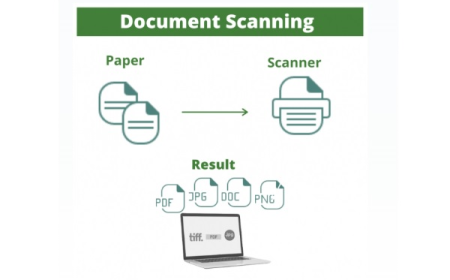
The process begins when incoming envelopes reach a secure processing center, where staff open, sort, and scan each item according to preset instructions. Images are indexed, named, and delivered to a secure online portal within hours. Many organizations rely on Mail Scanning Services For Businesses to deliver correspondence to remote teams without waiting for physical delivery. Authorized users can read, download, or share items from any location. Unwanted mail can be shredded, and important originals can be stored or forwarded, giving decision makers complete control over every single piece received.
Speed is only one advantage. Digital copies are fully searchable, which means staff can locate an invoice, notice, or letter in seconds instead of searching through filing cabinets. Remote employees, accountants, and managers view identical files at the same moment, reducing confusion. Security also improves because access can be limited by role, and every action is recorded in an audit trail. Offices that once dedicated a full-time employee to opening and routing envelopes often reassign that time to higher-value tasks, which improves productivity without adding any headcount or office space.
Why Legal Records Need Extra Care
Law firms, corporate legal departments, and compliance teams handle documents that carry strict retention rules and confidentiality duties. Court notices, signed agreements, and discovery materials arrive by post, so Mail Scanning Services For Businesses can capture time-sensitive items before deadlines pass. Older case files often sit in boxes that consume space and become difficult to retrieve. A misfiled affidavit or lost exhibit can weaken a case and create liability. Treating these records with the same discipline applied to financial data helps protect clients, maintain standards, and satisfy regulators.
What Legal File Digitization Involves
Digitizing a case archive is a structured project rather than a simple copying task. Legal matters depend on accuracy, so every stage of conversion is documented. The workflow for Legal File Digitization Services starts with an inventory of physical files, followed by removal of staples and clips, high-resolution scanning, and quality checks. Each page is indexed using client names, case numbers, or dates, and optical character recognition converts images into searchable text. Chain-of-custody procedures record who handled each box, which supports confidentiality obligations and provides clear evidence if questions arise.
Technology alone does not guarantee a consistently good result. Scanning equipment must handle fragile paper, odd page sizes, and bound volumes without damage, and trained operators need to recognize sensitive material that requires restricted access. Facilities should maintain controlled entry, background-checked personnel, and encrypted file transfer. Once digital copies are verified, original paper can be returned, securely shredded, or archived offsite according to retention schedules. Clear instructions from the client at the start prevent confusion later, and sample batches are often reviewed before a large project proceeds to full production.
Benefits for Law Firms and Offices
Cost, space, and speed form the main arguments for conversion. Storage rooms and offsite warehouses carry recurring fees, and retrieving a single folder can take hours. After adopting Legal File Digitization Services, firms can search thousands of pages by topic, share documents with co-counsel instantly, and prepare for hearings with fewer delays. Digital backups also protect records from fire, flooding, and theft. Access permissions further reduce the risk of unauthorized viewing, while version tracking shows when a file was opened or changed, supporting transparency during internal reviews and client inquiries.
Conclusion
Paper correspondence and aging case files may seem like separate problems, but both respond well to structured digital conversion. Moving toward remote and hybrid models makes accessible, protected digital assets a practical necessity for modern workplaces. Providers such as AccessScanning offer solutions that address incoming mail and archived records through secure, organized processes. Decision makers comparing Legal File Digitization Services should evaluate security controls, indexing accuracy, and turnaround times before committing. A careful choice reduces storage costs, improves retrieval, and strengthens compliance. Over time, those gains compound across every department.













Comments (0)